Podcast monetization doesn't require millions of listens or celebrity status, but it does require an audience that knows, trusts, and engages with your content.
How do podcasts make money, and when to start monetizing yours
April 25, 2026
How can creators monetize their podcast with Spotify for Creators tools and when should they start? We’ve got the answers.

Expand for key takeaways:


No items found.
Building a sustainable revenue stream from your podcast is more achievable than you might think — but it does take time, patience, and diligence
We'll walk through the most popular and established monetization methods, from Spotify's built-in features to external platforms and services that successful creators use to generate income from their shows.
Ready to explore your monetization options? Here's what's working for creators today.
Spotify for Creators monetization features
Before exploring other monetization methods, it's worth understanding the unique revenue opportunities available directly through Spotify for Creators.
Spotify for Creators offers built-in monetization options that reach existing audiences without requiring external platforms or payment setup.
Spotify Partner Program
The Spotify Partner Program is designed to help eligible creators build a diversified revenue stream with minimal effort. Depending on the type of content you publish and who streams it, you can earn from two sources:
- Ad revenue, which is available to all eligible audio and video creators in the program.
- Premium video revenue, an additional earning opportunity for eligible video creators whose content is streamed by Spotify Premium subscribers in select markets.
When the Spotify Partner Program launched, the goal was simple. We wanted to help creators make a living through podcasts. One year later, creators are seeing real momentum in their earnings through a combination of Premium video revenue and ad revenue.
Chris Williamson, host of Modern Wisdom, saw a 36% increase in Spotify podcast audience and significant revenue growth in his first month after joining the Spotify Partner Program and adding video.
"You're already doing the work to put video on Spotify, and now you're just getting paid for it," he said.
To qualify, creators in eligible countries must meet these requirements:
- 1,000 Spotify audience members in the last 30 days
- 2,000 Spotify hours consumed in the last 30 days
- 3 published episodes (all time)
To check if you're eligible and start the application process, visit the Monetize tab in your Spotify for Creators dashboard.
For more details, visit the Spotify Partner Program help center.
Subscriptions and memberships
One of the most reliable ways to generate recurring revenue from your podcast is to offer exclusive paid content to your most dedicated listeners. In this model, supporters pay a recurring fee in exchange for content or perks they can't get for free.
The key is providing genuine value without making free listeners feel they're missing essential parts of your show. Popular perks include early access to episodes, bonus Q&A sessions, behind-the-scenes content, and extended conversations.
Spotify subscriptions
Spotify for Creators lets you offer paid subscriptions directly through the platform. Subscriber-only episodes sit right in your show feed alongside your free content, so when non-subscribers browse your show, they can see your gated episodes and have a clear pathway to subscribe. It's built-in promotion for your paid content without any extra effort on your part.
This approach works best when you have a consistent publishing schedule and an engaged audience that actively comments and interacts with your content. You'll also need a clear value proposition for what subscribers receive that free listeners don't.
How to start:
- Plan a subscription content strategy. Check out bonus content ideas for subscribers and the creator's launch checklist for inspiration.
- Research pricing for similar shows in your niche.
- Enable subscriptions through your dashboard.
- Create valuable, exclusive content.
- Promote to your existing audience.
The key is providing exclusive content without making free listeners feel they're missing essential parts of your show. Popular perks include early access, bonus Q&A sessions, and behind-the-scenes content.
For more details on setting up subscriptions, visit the Spotify for Creators subscriptions help center.
Membership platforms
If you're already building a community on an external platform, membership tools like Patreon, Substack, and Memberful let you offer similar exclusive content while managing transactions and engagement in one place. Successful creators often offer:
- Bonus episodes that dive deeper into topics from regular episodes
- Behind-the-scenes content like bloopers, extended conversations, or show preparation
- Early access to regular episodes, typically 24 to 48 hours before public release
- Exclusive Q&A sessions where supporters can ask questions directly
- Community features like private Discord servers or member-only discussion boards
Joe Santagato and Frank Alvarez from "The Basement Yard" have grown their Patreon community alongside their Spotify following, maintaining approximately 100,000 patrons by offering perks like bonus content and discounts on merchandise.
Bring it all together with Spotify Open Access
Already using Patreon, Substack, or Memberful? Spotify Open Access lets your paying subscribers listen to their exclusive content directly on Spotify. You continue managing transactions and engagement through your membership platform as usual, while your gated episodes appear right in your show feed alongside your free content.
There's a growth benefit too. When free listeners on Spotify can see that your show has exclusive content, it signals that your community is worth joining — turning your entire Spotify presence into a discovery tool for your membership, without any extra promotion on your part.
Sponsorships
Beyond Spotify's built-in monetization, many creators build direct relationships with brands to make money through sponsorships. Requirements for this type of monetization model vary widely depending on the brand, product category, and sponsorship type.
The most authentic sponsorships start with brands you already use and love that also align with your content and audience interests. When you genuinely use a product that's relevant to your listeners, your recommendation carries weight and your enthusiasm shines through.
Here’s what your research process for identifying sponsors might look like:
- Make a list of companies whose products you actually use and would naturally mention to your audience.
- Find brands already sponsoring similar podcasts in your niche by listening to shows in your space.
- Check their social media for podcast advertising campaigns and partnerships.
- Identify the right contact person (usually marketing, partnerships, or business development).
When you identify potential sponsors, the next important step is to prepare your pitch. Focus on demonstrating how your specific audience would benefit from the product, rather than just sharing download numbers. Your pitch should include:
- Brief show overview and what makes it unique
- Audience demographics and engagement metrics (not just download numbers) showing how your audience also fits this brands target demographic
- Proposed partnership ideas beyond standard ad reads
- Links to your best recent episodes
- Professional media kit or one-page summary
Once you’ve found a brand partner, it’s time to build the creative. The most common and effective type of sponsorship is a host-read ad. This is where you personally record the ad in your own voice, in the natural style of your show, rather than inserting a pre-produced spot.
The format works because listeners already trust you. Our research found that nearly half of listeners trust podcast hosts as much as their own friends, and 81% of listeners took action after hearing a host-read ad, from looking up a product online to making a purchase. If you know other podcasters with sponsorship experience, don't hesitate to ask for advice or introductions. Fellow creators are often generous with guidance, and brands prefer working with creators who come recommended by existing partners.
Looking ahead, Spotify is rolling out new sponsorship management tools in April 2026 that will make it easier to update, replace, or schedule creator sponsorships in video episodes, and to track each one's performance over time. For more details, see the full announcement.
Affiliate marketing
Affiliate marketing is a performance-based monetization model in which you earn commissions by promoting products. Here's how it works: You join affiliate programs for relevant products, receive unique tracking links, and earn a percentage when your audience purchases through those links.
For example, if you regularly mention a specific microphone you love on your show, you could join that manufacturer's affiliate program. When you mention the mic in future episodes and share your special link, you'd earn a commission on any sales generated through that link.
When evaluating potential affiliate programs, consider these factors:
- Relevance to your audience: The product should genuinely interest your listeners or enhance their lives in some way
- Commission structure: Rates vary widely based on product type and industry
- Cookie duration: How long you get credit after someone clicks your link
- Marketing support: Whether they provide promotional materials or creator support
- Brand reputation: You're endorsing them to your audience, so their reputation affects yours
If you're interested in affiliate marketing, you'll also need to familiarize yourself with applicable disclosure requirements.
This transparency may be legally required in many jurisdictions and in the US, the Federal Trade Commission (FTC) website is a good resource for understanding disclosure requirements.
In addition to keeping you on the right side of the law, honest disclosure could increase trust and conversion rates. When you're transparent about earning commissions while emphasizing that you only recommend products you genuinely use, listeners often appreciate the honesty and feel more confident in your recommendations.
Merchandise
Unlike ongoing subscriptions, which require continuous content creation, or advertising deals that require maintaining audience metrics, merchandise can continue selling long after you design it. Create a popular T-shirt design once, and it might generate sales for months or years.
The key difference is that you're creating and selling actual physical products rather than selling access to content or your audience's attention. When someone buys your merch, you keep most of the revenue after production costs.
Podcast merch often includes items that showcase brand loyalty — products that let fans display their connection to your show through recognizable logos, catchphrases, or imagery:
- T-shirts and hoodies featuring show logos, catchphrases, or inside jokes
- Stickers and pins with familiar imagery or quotes from your show
- Mugs and water bottles that fans can use daily while representing your content
Consider what your specific audience would genuinely want to own and use.
For example, if you host a true-crime podcast, your fans might love an "evidence notebook" or a "case files journal" that connects directly to the investigative theme. Comedy shows often succeed with T-shirts featuring their most quotable inside jokes — items that make fans feel like they're part of an exclusive community that "gets" the reference.
However, physical products present distinct challenges. You'll need to handle inventory storage, shipping logistics, and customer service when orders have problems; responsibilities that don't exist with digital monetization methods.
When it comes to producing and fulfilling merchandise orders, you have two main options: use print-on-demand services that handle production and shipping, or manage inventory yourself.
When it comes to fulfillment, there are two main approaches: print-on-demand services and self-managed inventory. Print-on-demand handles everything after you upload your designs — production, shipping, and inventory — making it a low-barrier way to test products and designs before committing to larger orders.
Self-managed inventory gives you more direct control over production, packaging, and shipping, which some creators prefer once they've identified their bestsellers. Many start with print-on-demand to validate demand, then incorporate inventory management for products they know will sell.
Your own products and services
Your podcast can serve as a foundation for monetizing your expertise through products and services that extend beyond the show itself. This approach leverages the trust and authority you've built with your audience to create higher-value offerings based on your knowledge and skills. Some options include:
Service-based offerings that leverage your personal expertise:
- Consulting and coaching: Offer one-on-one or group services in your area of specialization, using your podcast as an extended audition for potential clients.
- Speaking engagements: Book paid opportunities at conferences and corporate events, with your podcast serving as a marketing tool that demonstrates your expertise.
- Live events: Monetize your community directly through live recordings, Q&A sessions, meet-and-greets, or specialized workshops.
Educational products that let you dive deeper into your content:
- Online courses and workshops: Create comprehensive training programs that provide more structured learning than episodic content allows.
- Books and guides: Expand on your podcast topics through traditional or self-published content that provides credibility and ongoing passive income.
- Premium workshops or masterclasses: Offer exclusive, in-depth training for listeners willing to pay for specialized knowledge and direct access to you.
Your podcast provides built-in mechanisms for market research and promotion. You can test product ideas by discussing them in podcast episodes and gather feedback from your community before launching products to your audience.
Finding the right monetization mix
To get started with monetization, look to your audience. Share ideas with your community using Spotify's comments and polls features, gather audience feedback, and start with the methods that feel most natural and appealing to your content and audience. There's no limit to how many ways you can monetize: You can mix and match different methods to create a strategy that drives sustainable revenue over time.
The key is to find an approach that aligns with both your audience's needs and your capacity. Whether you're building a comprehensive business around your expertise or simply adding supplemental income to support your creative work, focus on providing genuine value.
Regardless of which monetization mix is right for your show, Spotify for Creators has the tools to support your journey and help you turn your show into a sustainable business.
Frequently asked questions on how to make money podcasting on Spotify
How many listeners do you need to be eligible to make money from podcasting?
It depends on the monetization method. Spotify's Partner Program requires 1,000 Spotify audience members and 2,000 Spotify hours consumed in the last 30 days, with at least 3 published episodes, making it more accessible than ever for growing creators. For sponsorships, many brands start considering podcasts with 1,000–5,000 downloads per episode. Affiliate marketing and membership platforms can work for podcasts with smaller audiences, sometimes just a few hundred highly engaged listeners who actively interact with your content.
How much can podcasts with 10,000 listeners make?
How much you can earn depends more on your monetization mix, audience engagement, and niche than on listener count alone. Spotify paid out over $100 million to podcast creators in Q1 2025 alone, and hundreds of creators have surpassed $10,000 in monthly revenue through the Spotify Partner Program. That said, earnings vary significantly. A smaller, highly engaged audience in a lucrative niche can often out-earn a larger but less engaged one. The most sustainable approach is combining multiple revenue streams rather than relying on any single one.
Do podcasters get paid per view?
Not directly. With Spotify's Partner Program, eligible creators can earn in two ways: a 50% share of ad revenue every time an ad plays in their episodes, both on and off Spotify, and Premium video revenue based on how much Spotify Premium subscribers stream their video content in select markets.
How do podcasts make money if they are free?
Free podcasts make money through indirect monetization: automated ads (like Spotify's Partner Program), sponsorships where brands pay for mentions, affiliate commissions when listeners buy recommended products, membership tiers offering bonus content, and leveraging the podcast to sell products or services. The free content builds an audience that generates revenue through these other channels.
How long does it take for a podcast to make money?
There's no single answer. It depends heavily on your monetization method, consistency, and niche. The Spotify Partner Program's updated eligibility thresholds mean some creators can start earning from ads earlier than ever, with as few as 3 published episodes and 1,000 Spotify audience members in the last 30 days. Sponsorships typically take longer, as brands generally want to see consistent audience growth over time before committing.
Are podcasts actually profitable?
Podcasting can absolutely be profitable. Creators who treat it strategically, publishing consistently, engaging their audience, and pursuing multiple monetization streams, are building sustainable businesses around their shows. The key is to view it as a long-term investment in audience building rather than a quick path to income. Profitability typically follows establishing trust and delivering consistent value to your listeners.
What is CPM in podcast advertising?
CPM stands for cost per mille, or cost per thousand listeners. It's the standard pricing model used in podcast advertising, where brands pay a set rate for every 1,000 downloads or streams an episode receives.
CPM rates vary based on factors like audience size, niche, ad placement, and format.
Feeling inspired?
Unlock your show’s full potential on Spotify: download the optimization playbook
November 5, 2025
Text Link
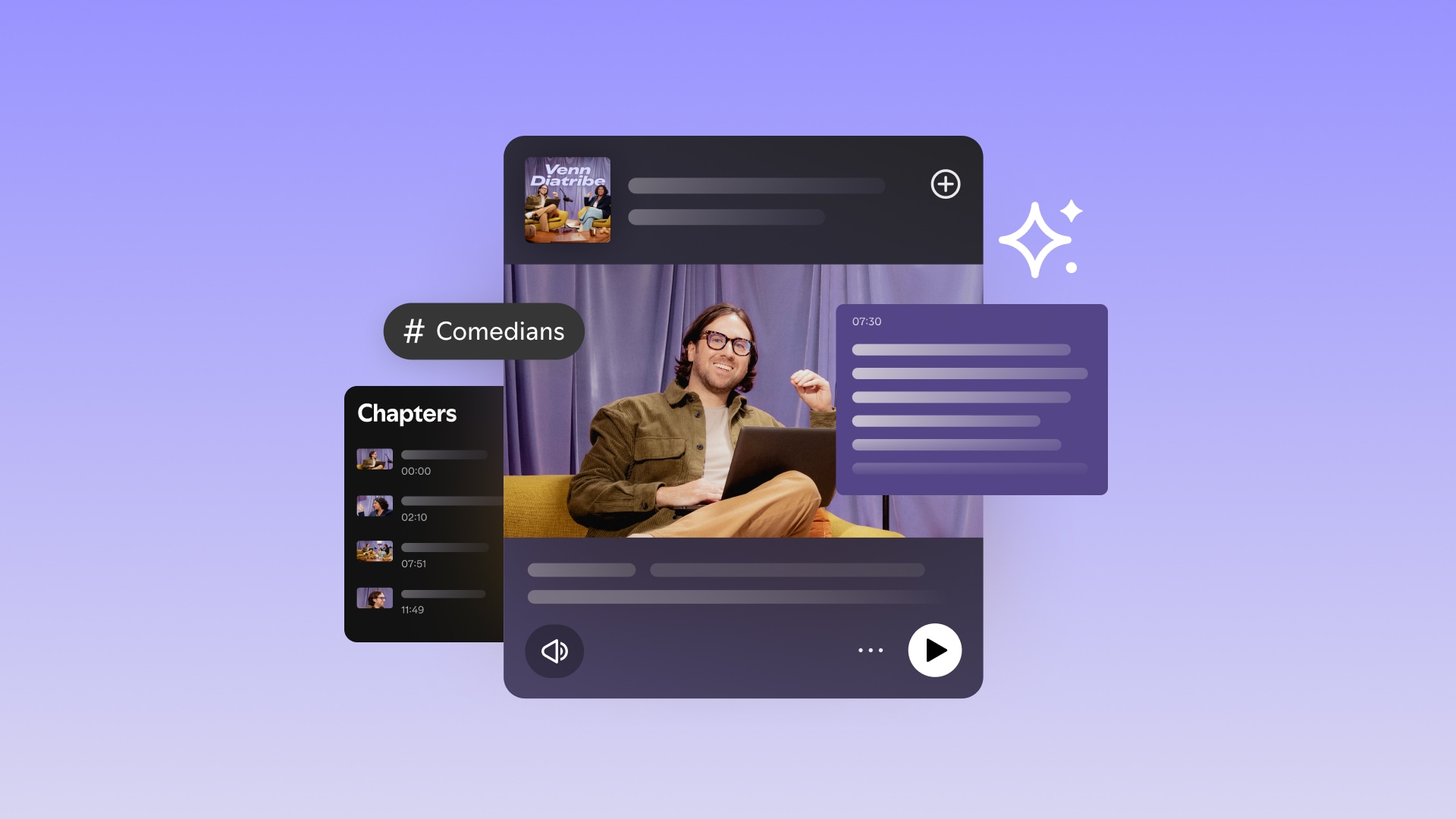
Amplifying your show on Spotify with automatic transcripts, chapters, and more
September 9, 2025
Text Link


From 1K to 10K to 100K followers: What 4 creators learned from their growth journey
March 31, 2025
Text Link
How shows are using short-form video clips to drive podcast discovery on Spotify
March 25, 2025
Text Link


How creators are building their fan community on Spotify with podcast comments
September 16, 2024
Text Link

2024 Podcast Trends Tour: What creators can learn about monetization and growth
May 22, 2024
Text Link


%20(1).jpg)


.jpg)
SIMILAR CONTENT

