“How do I grow my podcast audience?” is something every creator wonders at some point. And that’s perfectly natural—you’ve poured your heart, soul, and creativity into the show, and now you want as many listeners as possible to enjoy it. To make that happen, you may want to become familiar with the best practices to step up your show or podcast marketing.
Podcast marketing: 12 key strategies to promote and grow your podcast
November 29, 2023
Learn about proven, actionable podcast marketing strategies you can test and analyze to promote and grow your show.

Expand for key takeaways:


No items found.
The word marketing can be intimidating, often bringing to mind big budgets and complex campaigns beyond the reach of the average creator. But expensive advertising isn’t the only way to get more eyes and ears on your show. With the right approach and some creative thinking, effective marketing is within your grasp.
Roll up your sleeves and take notes. In this guide, we’re covering the need-to-know tips for podcast marketing so you can start experimenting with a set of strategies that will put you on the path to sustainable growth.
1. Understand your target audience and how to reach them
There are all kinds of listeners and viewers out there who want different things from the content they consume. The first step to building a loyal and engaged audience is zeroing in on your target audience—the people who will derive value from your podcast because they are interested in the topics you cover and identify with your particular style and messaging.
If you haven’t already, start by following these four core steps:
- Define your niche by deciding on a topic and format
- Conduct research to understand the characteristics of the people you want to attract
- Develop an audience persona to cement the traits of your target audience
Read more about how to discover and reach your target audience in our guide. Once you know and understand the people you want to appeal to, you’ll have a better sense of how to market your show in a way that will resonate with them.
Your yearly Wrapped is also a treasure trove of insights into the preferences of your fans. You can use it to inform the content of your show and give the audience more of what they love:
- Examine your top episode to pinpoint what made it an audience favorite. Then, replicate that formula in future episodes.
- Cater to your top listening countries by covering important events, holidays, culture, or whatever makes sense for your show.
- Tap into other fan-favorite genres by inviting special guests or cross-promoting with fellow creators.
2. Leverage your show’s unique identity
The most prominent brands all have one thing in common—a unique identity that makes them instantly recognizable. Elements like name, graphics, and tone are all present in brands’ marketing materials, further cementing their place in our collective consciousness and solidifying relationships with their audience.
Your show benefits from strong podcast branding in the same ways:
- A memorable podcast name sets the tone for your show.
- Distinctive podcast cover art commands attention and represents your visual identity.
- An engaging podcast trailer gives audiences a taste of what your show is about. It’s your first chance to make a good impression and entice potential listeners.
One top podcast creator, Noor Tagouri, likes to think about branding like it’s an album, an artistic experience. “This is your project, you want to curate people’s experiences from the second that they see the art to the second that the outro plays,” she explains on Episode 3 of the Spotify for Creators Masterclass.
When you create graphics, episode descriptions, and other promotional materials to share across channels, refer back to these foundational elements. You’ll keep your branding cohesive, distinctive, and slowly carve out a place for your show in the minds of potential listeners.
3. Optimize your Spotify show page
The Spotify show page is where creators like you can express their individuality and introduce their show or podcast to potential new listeners. With so much content to choose from, finding the right show can be overwhelming for audiences. But with Spotify’s customization features, you can optimize your show page to attract the right people.
As Jordan Newman, Spotify’s Head of Content Partnerships, points out, “your show page is your first impression. This is the place where your listeners will keep coming back to time and time again once they’re hooked. An informative and personalized show page makes it that much easier to decide whether your podcast is right for them and whether they’ll hit that follow bottom.”
Here’s how you can tweak your show page for the best results:
Show Description: Link out to your social media profiles in your bio so fans can easily find, follow, and engage with you on every channel.
Best place to start: Steer new listeners to one of your standout episodes. Choose an episode you love, a fan-favorite, or simply the perfect introduction to your podcast. This feature is especially useful if you have a large catalog of content—it helps prevent new listeners from feeling overwhelmed by too many options and swiftly introduces them to your show.
Host recommendations. Share up to two pieces of Spotify content (another podcast, an album, a playlist, or an audiobook) with the audience. This feature is ideal to give the audience a glimpse into your personality, but you can also use it to promote guests, other creators, or share resources you mentioned during a specific episode.
Like and reply to fan comments. Show your fans you value their voice by responding to their comments on your show page. This also encourages more people in the audience to submit their own comments—our 2023 Fan Study shows that 73% of listeners said they are interested in finding more opportunities to interact with their favorite creators, and this is a simple and direct way to engage.
Chapters. Add chapters to your episodes so listeners can jump to the parts that are most relevant or interesting to them.
Episode previews. Help new audiences sample your content and decide whether they want to listen now or save the episodes for later. Spotify automatically generates 30-60 second previews (audio or video, depending on your show’s format), but you can manually select the most engaging bits.
4. Expand your presence on social media
You already know that social media channels are an accessible tool to share your unique identity, engage with your existing audience, and help new listeners find your show.
But how do you squeeze the maximum potential from these platforms? The key is to tailor your content and promotional strategies to align with each channel’s unique environment.
TikTok
With over one billion active users all over the world, TikTok is one of the top platforms to help you get more eyeballs (and ears!) on your podcast. The video-sharing app is particularly popular with Gen Z, an audience segment that’s discovering podcasts at more than twice the rate of other age groups.
The creators of the “Good Children” podcast frame their entire social media strategy around TikTok. They consider “the quickest, easiest way to grab someone’s attention and then repurpose that content across platforms. That makes everyone’s lives easier because you don’t have to do double the work. You can just do it once and it will work across Youtube Shorts, Instagram Reels, and more.”
There are a number of different ways to leverage TikTok’s unique features to market your show, from putting a personal spin on trending sounds to dueting with other creators and fans. Check out our complete guide to promoting your show with TikTok, featuring the “JustTheNobodys” creators and TikTok’s North American Head of Entertainment.
Instagram allows you to get creative in plenty of ways. With the Reels feature, similar to TikTok, you can share sneak peeks of past episodes, season trailers, or teasers for new episodes. In your bio, you can include a Linktree that directs followers to your Spotify profile, other social media platforms, website, and other relevant links related to your show.
You can also use your feed to share audiograms or pictures of the entire podcast production process—your equipment, your editing process, behind-the-scenes moments with your guests, and other intimate details that make your audience feel even closer to you and your show.
Instagram is also an engagement machine. “Good Children” co-hosts Joe and Andrew find that the platform helps them foster a better sense of community than TikTok. “People are super bought in on Instagram, and we see it when we drop videos or merch. It feels like we’re just chatting with our friends as opposed to just putting content out and hoping the algorithm picks it up and your followers will actually see it.”
LinkedIn might not be the first channel that comes to mind when thinking about marketing your podcast or show. But with a vast community of creators and thought leaders interested in all sorts of topics, it can actually become a promotion powerhouse.
LinkedIn isn’t about virality—it’s about sparking genuine conversations and building community. Courtney Coupe, Head of Original Programming at LinkedIn, emphasizes that “this is where your audience can connect and converse directly with you. By fostering this genuine interaction, you naturally guide your audience back to your podcast.”
Consider starting a LinkedIn newsletter where you share episode takeaways, extended interviews, or downloadable resources that complement your episodes. You can also create a dedicated group where fans go to discuss your content, share feedback, and start discussions around the topics of your podcast.
With almost three billion monthly active users, Facebook is one of the most popular and longest running social media channel out there. Don’t worry, you don’t have to reinvent the wheel to take advantage of this massive audience. Any video clips or other media content you share on Instagram and TikTok can easily be repurposed for Facebook.
Facebook Groups is a solid feature to take advantage of to bolster your strategy. There are communities devoted to every little thing under the sun, with very dedicated audiences. Say your show is all about cinema. You can join groups that discuss movies or culture and tell members about your podcast. Just make sure you read each group’s rules before joining, since some of them might not allow promotions.
Alternatively, you can start your own group. This way, you’re free to share your episodes, and engage with an audience that’s there because they genuinely love your show and want to interact with you and fellow fans.
5. Launch an email newsletter
Just like social media, email marketing is a way to connect with your audience outside of your episodes. A newsletter is yet another medium that allows you to repurpose podcast content, get people excited about upcoming podcast episodes, guests, and topics, and provide bonus content or a deeper look into your show.
“Newsletters are really helpful and resourceful,” says Noor. “Sometimes we’ll just send a newsletter about a new episode and people really engage through that medium because you’re going straight to someone’s inbox. Even if you have like a few thousand people on your email list, I think it sometimes does better than social media.”
A valuable and consistent newsletter can also have a trickle-down effect. If your email list enjoys the supplemental and unique content you share in these emails, they’ll forward it to their respective networks and organically contribute to your show’s growth.
Learn everything you need to know about making a podcast newsletter in our guide, including best practices, examples, and insights from a fellow podcast creator.
6. Pitch your podcast to the press, influencers, and more
Earned media is an impactful marketing tactic that allows you to tap into audiences that might not find you through other channels. A seal of approval from influencers and media publications gives you credibility and incentivizes their respective audiences to check out your show.
Be mindful that not every influencer or publication will be a good fit to pitch your show or podcast to. Put in the time to research what and who’s out there that aligns with your topics and genre—what magazines or media outlets publish content related to your niche? Who are prominent figures in the industries you cover? That’s where you should focus your efforts.
Read our in-depth guide for more information on why, where, and how to pitch a podcast. If you’re specifically interested in a reporter or editor recommendation, find out how to pitch your podcast to the press.
7. Integrate search engine optimization (SEO)
A lot of people find new shows to enjoy via podcast platforms and search engines. To get your show in front of the right audience, you need to optimize certain elements so that they reflect what your show is about. Your show title and description, along with individual episode titles and descriptions, are where you have the most room to add relevant keywords.
Suppose you have a show or podcast about travel photography. “Snapshots” is a catchy name, but it probably won’t show up to people looking for “world photography” or “travel photography,” while something like “Snapshots: World Travel in Pictures” is more likely to. In this example, the show description would include the podcast name, and relevant keywords like “traveling,” “cityscapes,” and “travel photography.”
Now consider an episode of that same show about the golden hour. An optimized title could be “Harnessing the Golden Hour for Beautiful Travel Photos,” and the description might include terms like “golden hour photography.”
If you have a dedicated podcast website, optimizing copy, landing pages, and other written content marketing assets is also important. For the full rundown, best practices, and examples, read our guide on how to get your podcast SEO right.
8. Cross-promote with fellow podcast creators
The creator community is a wonderful resource for several reasons. You can connect with like-minded people, learn from their creative process, and introduce your respective podcasts to new audiences via cross-promotion.
Audiences are always on the hunt for the next great show. If a podcast or show they trust recommends another one, they're likely to give it a listen. This approach not only introduces your show to a wider audience but also gives it a seal of approval from a trusted source—the host of the podcast they already listen to.
The key to a successful partnership is finding creators with similar audiences but who are not direct competitors, so their audience will find value in your content. Once you discover creators to collaborate with, you can cross-promote in different ways, including:
- Co-host episodes
- Guest appearances
- Social media shoutouts
You can find the most important bits of advice in our piece about podcast cross-promotion.
9. Tap into your guests’ network
Podcast guests can add a lot of value to your show, providing fresh perspectives on a topic or telling personal stories to entertain your audience. They can also supplement your marketing efforts by talking up your show.
Whether they’re an old acquaintance or a seasoned expert with thousands of followers, each guest has their own personal and professional network you can tap into. If they agree to be featured on your show, ask them to share the episode and other materials on their social media channels so you can capture their audience's interest.
Simplify the process by providing your guests with promotional graphics so all they have to do is hit publish. You can design them yourself or use a tool like Spotify Promo Cards.
10. Use your existing audience as a promotion vehicle
Your existing audience is one of your most valuable marketing assets. These fans engage with, listen to, and love your content, so they’re likely to share it with other people—according to our Fan Study, the number one way Spotify users discover new podcasts is through word of mouth, also known as recommendations from friends or family members.
A personal endorsement from someone you know always carries more weight than any ad could. Whether it’s in a social media post or during your episodes, encourage your audience to spread the word about your show. It’s an easy way to reach new, like-minded listeners who will then share it with their network.
Your outro is a great opportunity to do this and ask listeners to take other actions that will help your show or podcast grow. Make your call-to-action (CTA) specific yet easy to execute. For example:
- “Thank you for tuning in today! If you found our discussion insightful, there's a good chance your friends will too. We'd love it if you could take a moment to share this episode with a loved one who you believe would appreciate it. It's an easy way to spread the word, and it helps our podcast reach more people just like you.”
- “If you enjoyed today's show, follow us on Spotify and turn on episode notifications so you never miss new content! Thank you for being a part of our podcasting journey.”
11. Experiment with paid advertising
You can turn to paid advertising if you have a dedicated podcast budget. With vast reach and detailed targeting capabilities, platforms like Facebook, Instagram, Google, and Spotify can help get your podcast in front of a large and relevant audience.
Social media ads
Instagram, LinkedIn, and Facebook ads allow you to target audience segments according to demographics, interests, and behaviors, so you can reach people who are likely to be interested in your show.
When creating ads for social, be sure to craft compelling visuals and copy that highlight your podcast's value and unique selling points. Always include a clear CTA, such as "Listen Now," and provide a direct link to your podcast on Spotify.
Search ads
Platforms like Google Ads can help your show or podcast appear in search results for relevant queries. This strategy can be particularly effective because it targets people who are actively searching for content related to your podcast (think “true crime stories” or “traveling advice”).
When setting up search ads, conduct keyword research to understand what potential listeners might be searching for. Use these insights to create a list of target keywords for your campaign and optimize your ad copy and landing pages around those terms.
Spotify AdStudio
If you have a podcast marketing budget, you can deploy a campaign on Spotify AdStudio to advertise your podcast across other shows and music on Spotify. Based on your knowledge about your listener base, you can choose which audiences and genres of podcasts and music you want to target with the ads.
Just like with social media ads, make sure you include a specific and powerful CTA that encourages people to check out and follow your podcast.
12. Host live events
Digital strategies are powerful, but in-person connections can’t be replaced. So why not take your podcast marketing to the outside world?
Hosting live events, whether it’s a meet-up or a full-fledged tour, brings your show to life and allows for tangible interactions with your audience. It’s also a great way to organically introduce your show to new people.
Joe and Andrew hosted live events in New York only five months into their podcast, and followed up with a West Coast tour that spanned several cities. The results were incredible.
“Live shows definitely bring in a lot of viewers, especially if they’re bringing new friends,” says Joe. “Every single time we do a live show, we ask ‘who here has no idea who we are?,’ and there’s a lot of people who raise their hands because they come with a friend. And then you see the followers grow, you see the listeners grow.”
Measure success to optimize your podcast marketing strategy
The best way to know which combination of podcast promotion strategies is right for you is to measure their success.
First, define what a successful podcast or show means to you. A large audience? Number of followers? Number of episode downloads? Average plays per episode? Listener retention? Then, use Spotify and social media analytics to learn which efforts are doing the heavy lifting and which need to be adjusted.
Remember, it's okay to take a few wrong turns. Everyone's podcast journey is different, and it's all about learning, trying new things, and refining your strategy along the way.
Feeling inspired?
Unlock your show’s full potential on Spotify: download the optimization playbook
November 5, 2025
Text Link
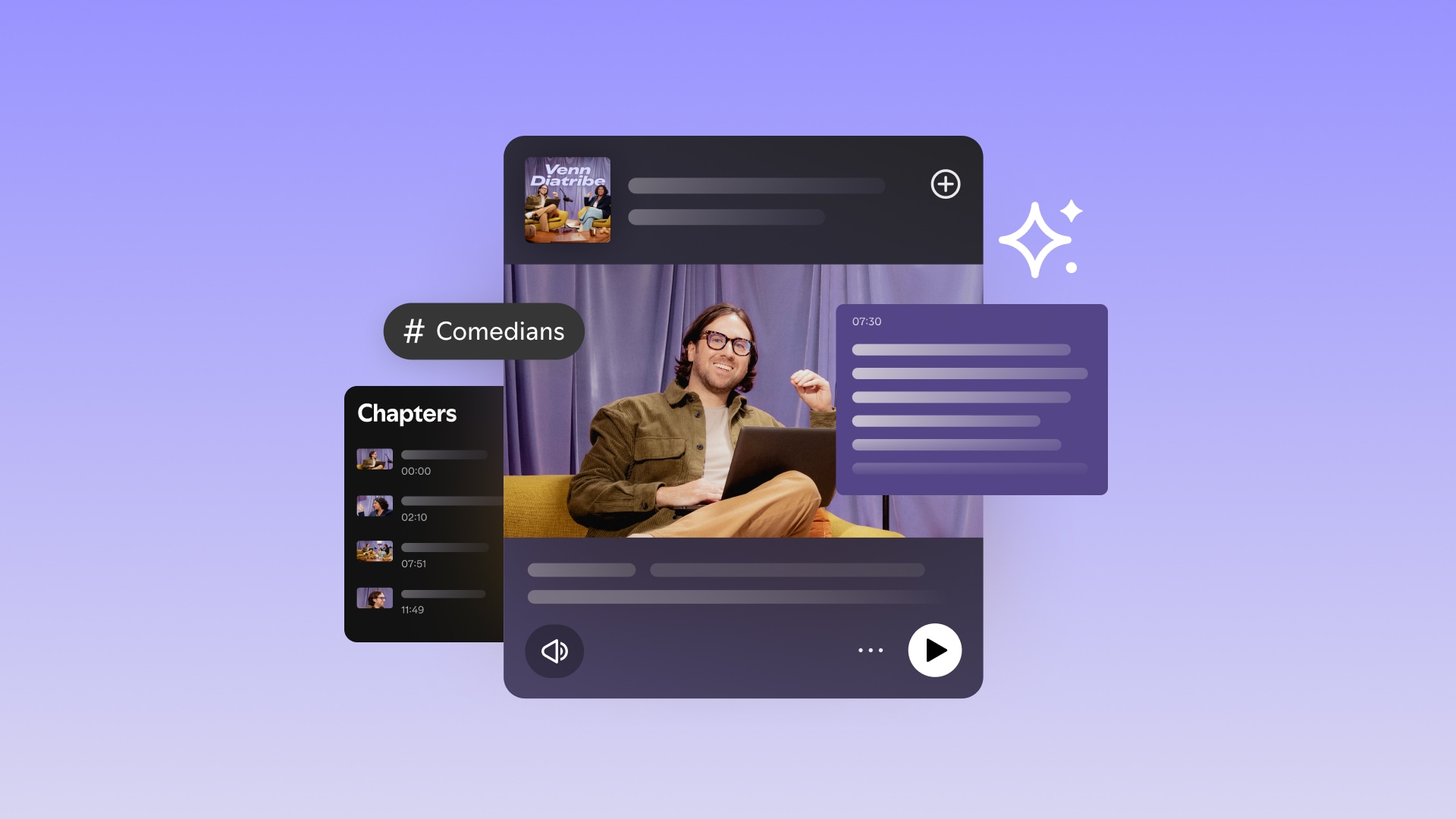
Amplifying your show on Spotify with automatic transcripts, chapters, and more
September 9, 2025
Text Link


From 1K to 10K to 100K followers: What 4 creators learned from their growth journey
March 31, 2025
Text Link
How shows are using short-form video clips to drive podcast discovery on Spotify
March 25, 2025
Text Link


How creators are building their fan community on Spotify with podcast comments
September 16, 2024
Text Link

2024 Podcast Trends Tour: What creators can learn about monetization and growth
May 22, 2024
Text Link


%20(1).jpg)


.jpg)
SIMILAR CONTENT

