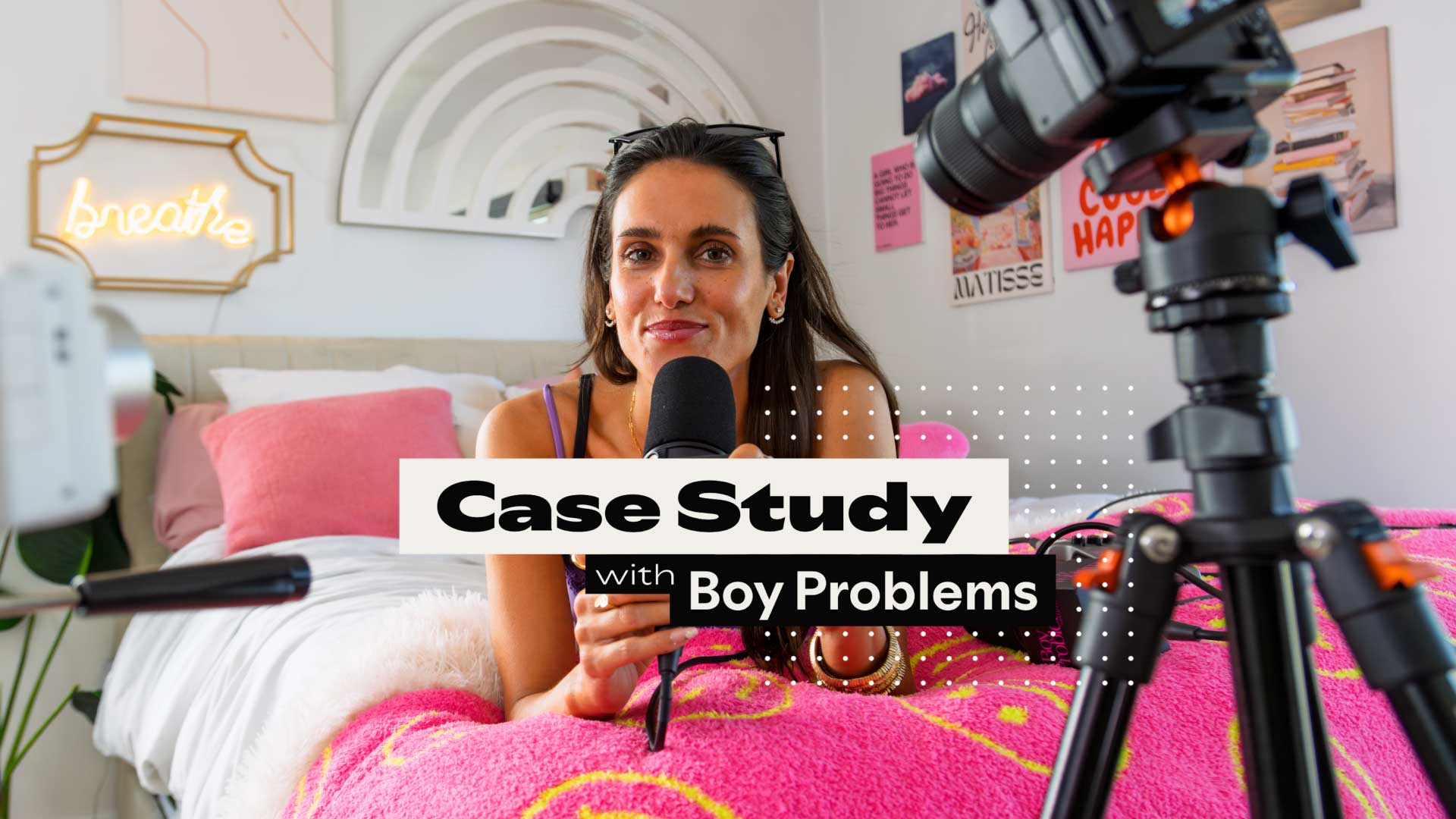
When Liz Plank decided to launch "Boy Problems" in June 2025, she made a choice that would have horrified most media professionals: She pointed her camera at her unmade bed.
I wanted the audience to feel like I wasn't talking down to them I wanted to really feel on the same level.
“And also, I didn't have a lot of money, so I had to record at home,” she jokes.
Fast-forward six months, and that intimate bedroom setup has generated extraordinary results. In just half a year, the cumulative time all listeners have spent with "Boy Problems" equals 12 years of continuous playback.
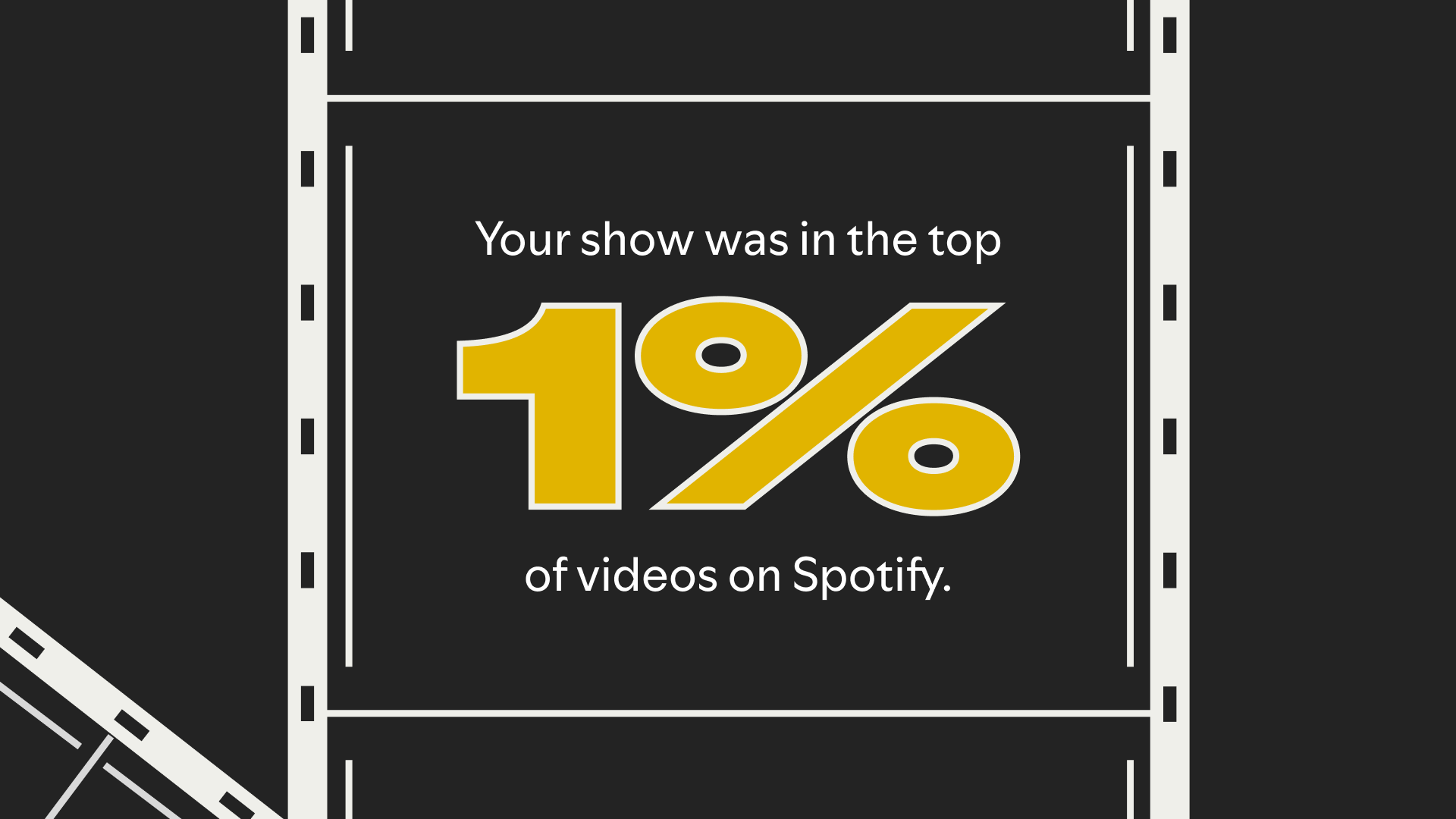
The show currently ranks in the top 1% of videos on Spotify and is the #1 most-listened-to podcast for 94,000 individual users.
"That's unreal. I mean, what?" Liz said when we shared these numbers with her.
View the full conversation on Spotify
Key takeaways from “Boy Problems” success story:
- Liz launched "Boy Problems" in June 2025, recording from her bedroom to create an intimate "voice note" experience.
- The show saw 80% audience growth on Spotify from August 2025 to October 2025.
- When you add up all the time every listener has spent with the show since it launched, it equals 12 years of continuous playback.
- "Boy Problems" reached the top 1% of all videos on Spotify and became the #1 podcast for 94,000 individual users.
- Liz monetized immediately through the Spotify Partner Program, using revenue to cover production costs from day one.
*Results achieved by individual creators may not be typical of all creators.
From “Forbes 30 Under 30” to bedroom podcaster
Before "Boy Problems," Liz Plank had already made her mark in media. The Canadian journalist was named to Forbes' prestigious "30 Under 30" list, which recognizes young leaders making a significant impact in their fields.
She also authored the international bestseller For The Love of Men: A Vision for Mindful Masculinity, a book exploring modern masculinity and gender dynamics that sparked conversations worldwide.
During her years as a correspondent and producer, Liz interviewed high-profile political figures, including former Canadian Prime Minister Justin Trudeau and multiple U.S. presidential candidates. Her work consistently focused on advancing gender equality, disability rights, and social justice.
But by 2025, Liz felt ready for something different.
"I really wanted to go independent. I wanted to have my own show," she says.
When it came time to set up her new podcast, Liz made a decidedly intimate choice: She turned her real-life bedroom into her studio.
"This is where I have all my nightmares. And, also my happy dreams," she explains.
The intimate setting would become central to the show's unproduced, authentic feel — and an open invitation for fans to pull up a chair and join the conversation.
Making it up as she goes (on purpose)
"Boy Problems" tackles the complexities of modern relationships, dating disasters, and masculinity with Liz's signature blend of wit and vulnerability.
Each episode dives into the messy realities of love, attraction, and navigating relationships, often featuring guests who unpack the cultural forces shaping how men and women relate to each other.
"I don't try and create moments or, sometimes even, have specific questions," she explains.
"I want people to feel like 'I don't know where this is going.' Because I don't know where this is going as the host."
The show's appeal lies in its message that we’re all making our way through an uncertain landscape.
I'm trying to figure it out. And hopefully making people — other people who are trying to figure it out — feel less alone
This collaborative philosophy extends beyond shared vulnerability and into Spotify's comment section, where fans become active creative partners in shaping the show.
“I really feel like they're all mini producers," she says, "They give me ideas for things that they would want me to do future episodes about, or they just give me feedback."
Finding her audience and home on Spotify
Liz came to "Boy Problems" as an established author and journalist with significant name recognition. But this was her venture into a new medium, and she needed help finding her audience. Spotify's discovery algorithm gave her show the organic push it needed, suggesting her intimate bedroom conversations to listeners who had never heard of her before but might connect with her content.
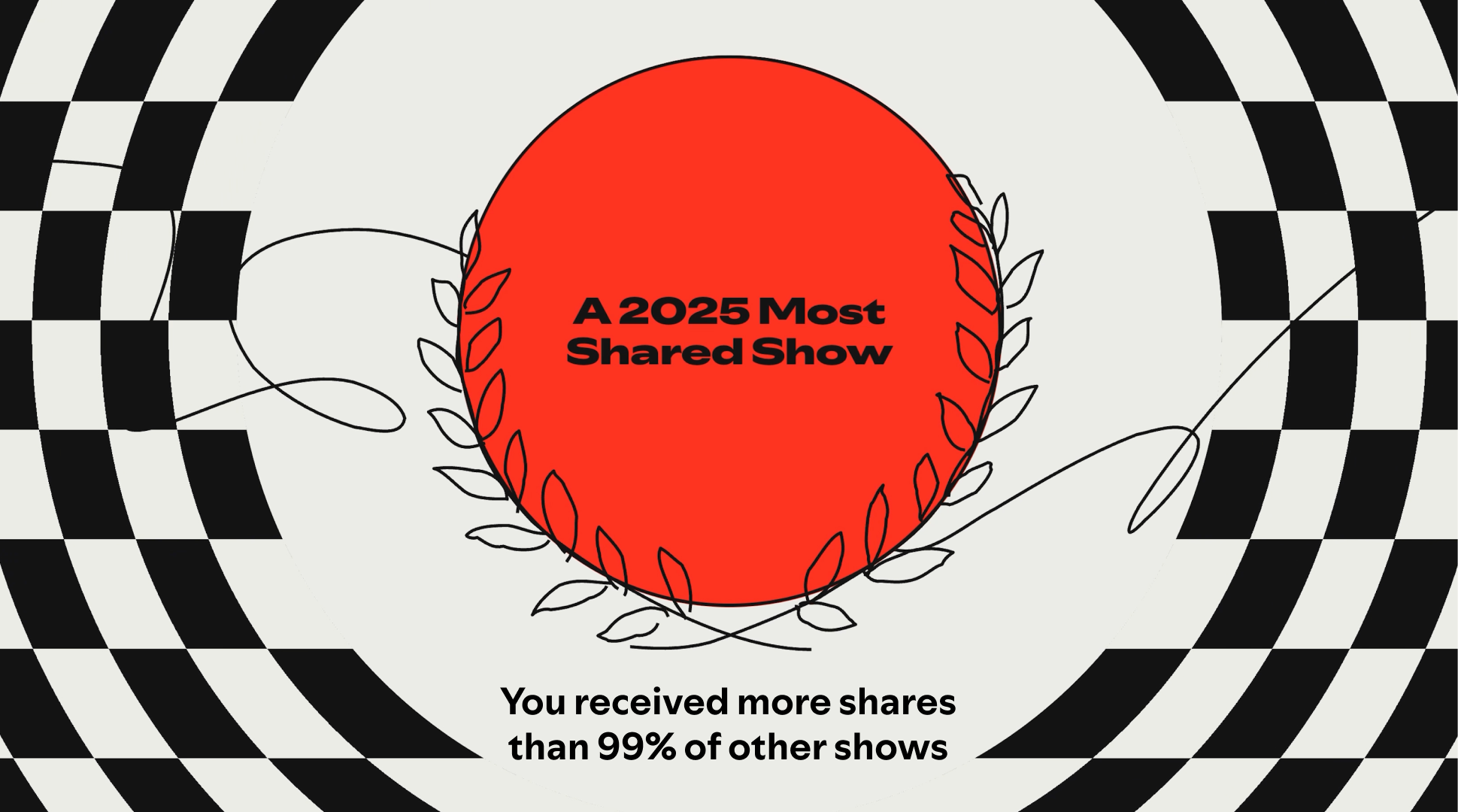
The result was 80% audience growth on Spotify from August to October alone.
"So many of the comments were like, 'I've never heard of you, and I am now following the show. This is amazing. Thank you so much,'" Liz explains.
Liz has also seen fairly unexpected audience crossovers as her show continues to grow.
"Our audience, their second most favorite podcast is Joe Rogan's podcast," Liz says. "That's amazing. That's incredible. That's a crossover I wouldn't have thought about."
Monetizing from day one
For Liz, one of the most surprising aspects of launching "Boy Problems" was how quickly she began generating revenue.
"Usually it takes months, if not years, to really build up an audience so that you are able to have ads; able to monetize it," she explains.
"I was immediately able to monetize the show through the platform."
Even with a stripped-down setup, creating podcasts costs money. By starting to earn immediately, Liz didn't have to worry about some of the expenses most creators face when starting.
"Being a part of the Spotify Partner Program allowed me to pay for the production, you know. To be able to monetize the show enough to pay for it to be made, that was significant. "
The muffin effect: Inside jokes and the art of fan connection
Can we talk about the Spotify comments? Like, the happiest, most joyful place on the internet, I don't know what the wizards at Spotify are doing.
"I don't even have notifications on for emails, but I have them on for Spotify comments because I'm like 'aww.' They're all so sweet, and they really make my day."
While you'll often hear about creators avoiding their comments sections, Spotify comments have made such a positive impression on her that she regularly enters them, without trepidation, to interact with her audience.
"I respond to comments a lot,” Liz says, adding that engaging with her audience via comments feels like they're having a “personal chat.”
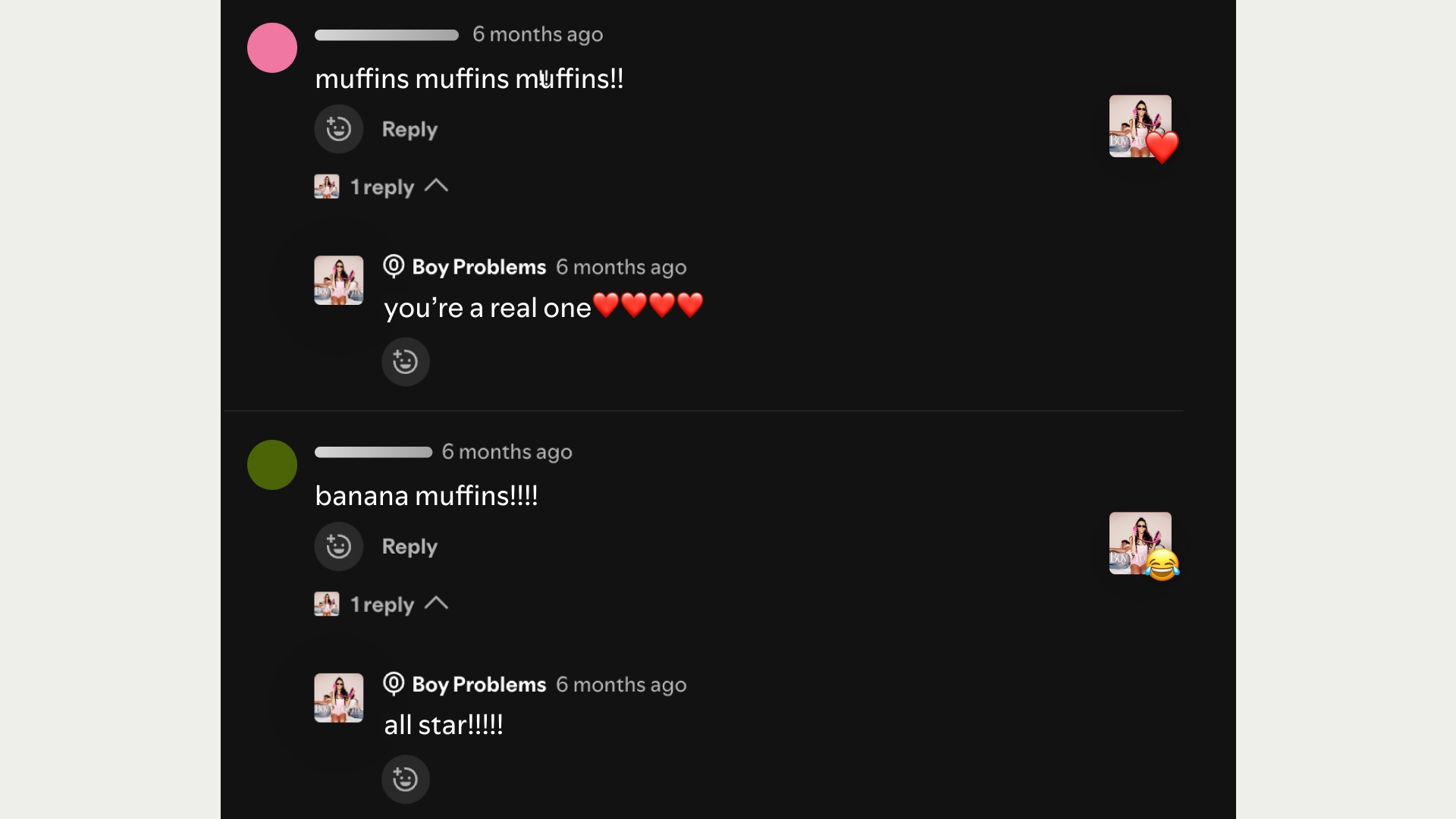
During a recent episode with recurring guest Holly Solem — a relationship expert who calls herself a "manthropologist" — the word "muffins" kept coming up because Liz was hungry.
By the end of the episode, Holly suggested the community should comment "muffins" as a playful inside joke. And that's exactly what they did — the episode’s comment section filled up with hundreds of mentions of the breakfasty baked goods.
Build your community on Spotify
For Liz, Spotify has become a nurturing community and supportive space where intimate stories find an audience, and audience members become collaborators.
Couple that with the instant audience growth and monetization opportunities she saw, and it’s easy to see why she’s all in on Spotify.
"Join the Spotify Partner Program. You will not regret it. The only thing you'll regret is that you didn't join before," she says. "There's just no downside."
While her existing pre-podcasting platform likely helped launch her rapid podcasting success, Liz’s story still proves that Spotify is an ideal platform for personality-driven creators who thrive on building close connections with their audiences.
Get started with video on Spotify