Play Move Improve
By Robyn Papworth
Discover strategies to improve children's spatial awareness, balance, gross motor skills, fine motor skills, and much more.
Share your review on my Facebook page to receive my 125 Play Activities Ebook for free - www.facebook.com/playmoveimprove


How to Create Engaging Early Childhood Play Spaces with Interior Designer Robyn Papworth
Simple sensory activity ideas for families to do after kindergarten to support their children who feel overwhelmed
Learn more strategies here - https://play-move-improve-online-community.circle.so/join?invitation_token=647e98e1a2355e92458aefe994236d1b242c29d6-13c935a2-02c9-4cad-b582-defaa069c3e8
Early childhood training - setting realistic expectations with longer kindergarten hours
Early childhood training - Bridging gaps in movement and play
Is it poor personal space, or social exploration? Why social exploration is important in early childhood
Improving impulse control in early childhood and kindergarten
Why transitions can be challenging for neurodivergent children
Play Move Improve Podcast: Understanding and Managing Transitions for Neurodivergent Children
Episode Summary
In this insightful episode, Robyn Packworth, an exercise physiologist and developmental educator, discusses the challenges that neurodivergent children face with transitions and offers practical strategies to help.
- The cerebellum and prefrontal cortex play crucial roles in managing transitions
- Neurodivergent children may struggle with sensory processing and predicting what happens next
- Internal time management systems can be affected in neurodivergent individuals
- Transitions can be particularly stressful for children who have masked their behaviors all day
- Provide warnings before transitions
- Use transition objects (e.g., favorite toys, fidgets)
- Implement visual schedules
- Offer comforting routines (e.g., favorite snacks, songs)
- Create a predictable after-school routine
- Visual schedules for transitions
- Comfort toy handout
- Vagus nerve drop-off handout
Robyn Packworth is a mother of three, an exercise physiologist, developmental educator, and early learning speaker. She works with the Beautiful Parents Hub in Victoria, supporting children with developmental delays, autism, anxiety, ADHD, and dyspraxia.
Join our free online community for more support and resources! Sign up here: Play Move Improve Online Community
- Website: playmoveimprove.com.au
- Leave a review on iTunes or Spotify
Remember, transitions can be challenging, but with understanding and the right strategies, we can make them easier for our children!
Early childhood emotional development - eye contact before emotion cards
Play Move Improve Podcast: Beyond Emotion Cards - The Foundations of Emotional Development
Episode Summary
In this insightful episode, Robyn Papworth, an exercise physiologist and developmental educator, discusses the importance of foundational emotional development in children, especially those born during the social pandemic of 2020-2021.
She explains why emotion cards might not be the best first approach and offers practical strategies for supporting children's emotional growth.
- The impact of the social pandemic on children's emotional development
- The importance of joint attention and social connection in early emotional development
- Why emotion cards may not be effective for young children without foundational skills
- The role of play in developing emotional regulation and brain function
- The significance of interoception in understanding and expressing emotions
- Provide opportunities for eye contact and joint attention
- Engage in shared activities (e.g., singing, playing games, household tasks)
- Encourage community involvement and social interactions
- Prioritize play with real 3D objects to stimulate brain development
- Create experiences that develop interoception (awareness of internal bodily sensations)
Robyn Papworth is a mother of three, an exercise physiologist, developmental educator, and early learning speaker. She is passionate about empowering parents and educators to set up engaging play activities that improve children's development, health, and learning outcomes.
Robyn mentions an upcoming program focused on foundational skills for emotional development. Stay tuned for more information!
Join our free online community for more support and resources! Sign up here: Play Move Improve Online Community
- Website: playmoveimprove.com.au
- Leave a review on iTunes or Spotify
Remember, building strong foundations for emotional development through play, connection, and sensory experiences is crucial for our children's growth and well-being!
Hugh asks his mum Robyn Papworth questions about the brain, Exercise Physiology, and his favourite topic, basketball!
Play Move Improve Podcast: A Special Q&A with Robyn and Hugh Papworth
Episode Summary
In this delightful episode, Robyn Papworth is joined by her son Hugh for a fun and insightful Q&A session. They take turns asking each other questions about Robyn's career, Hugh's love for basketball, and their shared interests in the brain and sports.
- Favorite part of the brain: Amygdala, for its role in personal growth through anxiety and fear
- Career aspirations: Originally wanted to be a biomechanist for tennis, switched to rehab after a personal experience
- Top tip for a successful business: Be yourself and embrace your quirks
- Estimated number of children helped: Thousands, with a focus on making a difference one child at a time
- Discovery of exercise physiology: Through university studies in exercise science
Bonus Basketball Question: Robyn named five Melbourne United players, showcasing her growing knowledge of the sport thanks to Hugh's influence
- Motivation for starting a podcast: To share knowledge about basketball and compete with mom's podcast
- Love for basketball: 10 out of 10
- When basketball passion began: After a pickup game at school
- Favorite NBA team and player: Split between Clippers and Memphis Grizzlies; favorite player is GG Jackson
- Preference between NBA and NBL: Appreciates both for different reasons
Bonus Brain Question: Hugh named three parts of the brain: hippocampus, amygdala, and cerebellum
- Hugh's own podcast: "Hugh's NBA Highlights"
- Robyn's journey from biomechanics to exercise physiology
- The family's shared interest in Melbourne United (NBL team)
- Hugh's passion for basketball and its positive impact on his life
- The blend of sports and brain science in their family discussions
Robyn Papworth is an exercise physiologist, developmental educator, speaker, and mother of three. Hugh is Robyn's son and an enthusiastic basketball fan with his own podcast.
- Check out Hugh's new podcast Hugh's NBA Highlights to share your support!
- Share your questions for Hugh for potential future episodes
- Join our free online community for more content and discussions: Play Move Improve Online Community
- Website: playmoveimprove.com.au
- Leave a review on iTunes or Spotify
This episode showcases the fun and educational dynamics of the Papworth family, blending professional insights with personal passions!
How screen time is impacting children's sensory development
Play Move Improve Podcast: Essential Sensory Skills for Children's Development
Episode Summary
In this informative episode, Robyn Papworth, an exercise physiologist and developmental educator, discusses the importance of sensory skills in children's development. She highlights eight essential sensations and provides practical activities to enhance these skills.
- Many children today struggle with basic sensory skills that weren't a concern a decade ago.
- Eight essential sensations: visual, auditory, taste, smell, touch, vestibular, proprioception, and interoception.
- Modern lifestyle changes, including increased screen time and reduced outdoor play, are impacting children's sensory development.
- Sensory integration is crucial for fine motor skills, self-regulation, and overall learning.
- Visual: 3D objects, natural light, searching for hidden objects
- Auditory: Various sounds, music, guessing games with different noises
- Taste: Encourage trying different foods (consult professionals if concerned)
- Smell: Use herbs, essential oils, and everyday scents to stimulate memory and calm
- Touch: Provide various textures through sensory tubs, gardening, and cooking activities
- Vestibular: Head movement activities like dancing, spinning, and looking up/down
- Proprioception: Jumping, hopping, crawling, and other pressure-inducing movements
- Interoception: Awareness of internal bodily sensations like hunger, thirst, and temperature
- Create sensory tubs with various materials (sand, water, corn flour, etc.)
- Use recycled shampoo bottles for smell activities
- Incorporate outdoor play to experience different temperatures and textures
- Discuss bodily sensations during meals and drinks
- Engage in gross motor activities to stimulate the vestibular system and proprioception
Proper sensory development is crucial for:
- Self-regulation and emotional control
- Focus and attention in class
- Fine motor skills development
- Overall learning and development
Robyn Papworth is an exercise physiologist, developmental educator, speaker, author, and mother of three. She is passionate about empowering parents and educators to support children's development through engaging play activities.
- Try one of the suggested activities and share your experience
- Reach out to Robyn for more ideas or support
- Join our free online community for more resources and discussions: Play Move Improve Online Community
- Website: playmoveimprove.com.au
- Leave a review on iTunes or Spotify
Remember, supporting your child's sensory development can be fun and easy with these simple, everyday activities!
What are the 3 fundamental developmental milestones that children need for kindergarten and school
Play Move Improve Podcast: Essential Fundamental Movement Skills for School Readiness
Episode Summary
In this episode, Robyn Papworth, an exercise physiologist and developmental educator, discusses the changing landscape of fundamental movement skills needed for school readiness. She highlights three crucial skills that many three-year-olds are struggling with and provides practical strategies to improve these skills.
- Recent changes in children's environments, including increased screen time and social isolation, have impacted fundamental movement skills.
- Many three-year-olds are struggling with basic skills like rolling, crawling, and visual tracking.
- These skills are crucial for school readiness and overall development.
- Visual Tracking
- Rolling
- Jumping with Two Feet
- Incorporate visual tracking exercises in morning routines (e.g., following a moving pencil or beanbag)
- Use rolling as a transition activity (e.g., rolling across a mat to go outside)
- Practice jumping with two feet during daily activities (e.g., jumping to wash hands or get a hat)
- These skills are foundational for more complex tasks in school
- Early intervention can lead to quick improvements
- Addressing these skills can help with overall coordination and learning readiness
Robyn Papworth is an exercise physiologist and developmental educator passionate about improving children's movement skills for better learning outcomes.
- Integrate these three activities into your daily routines with children
- Provide feedback on improvements observed
- Stay tuned for more tips and advice on Play Move Improve
- Website: playmoveimprove.com.au
- Leave a review on iTunes or Spotify
Remember, focusing on these fundamental movement skills can significantly impact a child's readiness for school and overall development!
Back to Basics: Foundational Movement Skills for School Success
Play Move Improve Podcast: Bridging the Gap in Children's Foundational Movement Skills
Episode Summary
In this episode, Robyn Papworth, an exercise physiologist and developmental educator, discusses the current challenges in children's development and the critical importance of foundational movement skills. She emphasizes the need to focus on basic skills rather than rushing to meet academic expectations.
- Many children are struggling with basic developmental skills that were once common.
- Changes in lifestyle, including smaller living spaces and increased screen time, are impacting children's physical development.
- Foundational movement skills are crucial for later academic success, including reading and writing.
- Educators and parents need to focus on meeting children where they are developmentally rather than pushing them to meet arbitrary standards.
- Crawling: Essential for brain development and reading skills
- Rolling: Important for spatial awareness and body coordination
- Basic ball skills: Develops hand-eye coordination and attention span
- Visual tracking: Fundamental for reading and focusing
- They form the foundation for more complex academic skills like reading and writing
- They help develop spatial awareness, which is crucial for tasks like packing a bag or sitting properly
- They contribute to overall physical and cognitive development
- Curriculum expectations often don't match children's developmental readiness
- Reduced outdoor play and physical activity due to smaller living spaces
- The "YouTube attention span" phenomenon
- Incorporate hills and varied terrain in play areas
- Encourage repetitive play with balls (throwing, catching, rolling)
- Start with larger balls (e.g., beach balls) for younger children
- Focus on basic movements like crawling and rolling, even for older children who missed these milestones
Robyn Papworth is an exercise physiologist and developmental educator passionate about helping children build strong foundational movement skills for better learning outcomes.
- Free handouts available
- "Let's Move" program
- Lodi book for focus and self-regulation
- Share this information with educators and parents who might benefit
Leave a review on iTunes or Spotify
Remember, building strong foundational movement skills is crucial for a child's overall development and future academic success!
How children's interoception sensory challenges may impact their toileting
Understanding and Supporting Toileting Challenges in Children
Episode Summary
In this candid episode, Robyn Papworth shares her personal experience with her daughter Phoebe's toileting challenges. She discusses the role of interoception in toileting, offers practical strategies, and emphasizes the importance of a patient, individualized approach.
- Interoception, the internal body awareness sense, plays a crucial role in toileting.
- Children may struggle with recognizing wet or dry sensations, affecting toileting.
- Occupational therapy can provide valuable insights and strategies for toileting challenges.
- Every child's development is unique, and it's important not to rush or compare to arbitrary timelines.
- Environmental factors in bathrooms can impact a child's comfort and willingness to use the toilet.
- Interoception is the sense of internal body awareness (e.g., feeling hot, cold, hungry, or needing the bathroom)
- Some children struggle to recognize these internal sensations
- This can affect their ability to know when they need to use the toilet or when they're wet
- Use descriptive language to help children connect with bodily sensations
- Practice identifying wet and dry sensations through play (e.g., wet and dry sponges)
- Incorporate sensory activities into daily chores (e.g., laundry, dishes)
- Use hand-on-tummy technique to encourage body awareness
- Adjust bathroom environments for comfort and privacy (e.g., soft curtains, stickers on the ceiling)
- Be mindful of sensory issues in public bathrooms (e.g., hand dryers, water taps)
- Every child develops at their own pace
- Night-time dryness often comes later and shouldn't be rushed
- Consult with an occupational therapist for personalized strategies
- Keep a positive attitude and avoid shaming or pressuring the child
Robyn Papworth is an exercise physiologist, developmental educator, and mother who shares her professional expertise and personal experiences to help parents and educators support children's development.
- Try the suggested strategies and share which ones you found most helpful
Connect with Play Move Improve
- Website: playmoveimprove.com.au
- Facebook: Play Move Improve
- Join our free online community: Play Move Improve Online Community
- Leave a review on iTunes or Spotify
Remember, every child's journey is unique. Patience, understanding, and the right strategies can make a big difference in navigating toileting challenges. Join our online community for more support and resources!
5 motor development skills that children learn with gymnastics
Play Move Improve Podcast: Five Essential Movements in Gymnastics for Child Development
Episode Summary
In this episode, Robyn Papworth, an exercise physiologist and developmental educator, discusses five key movements in gymnastics that are crucial for child development. She shares personal experiences with her son Hugh and offers insights for gymnastics coaches and parents.
- Gymnastics can play a vital role in developing fundamental movement skills and building confidence.
- Five essential movements in gymnastics that support child development: a. Reflex integration b. Jumping c. Crawling and climbing d. Heel-to-toe balance e. Vestibular system development
- Reflex Integration
- Jumping
- Crawling and Climbing
- Heel-to-Toe Balance
- Vestibular System Development
- Slow down movements to improve control and body awareness
- Use music or verbal cues to guide movement timing
- Incorporate visual tracking exercises during activities
- Start with ground-based activities before progressing to equipment
Robyn Papworth is an exercise physiologist, developmental educator, and mother who shares her professional expertise and personal experiences to help parents, educators, and gymnastics coaches support children's development.
- Try incorporating these movements into gymnastics programs or at-home activities
- Share experiences and feedback on the strategies discussed
- Join the upcoming webinar for more in-depth information
- Website: playmoveimprove.com.au
- Join our free online community: Play Move Improve Online Community
- Share this episode with friends and family
Remember, gymnastics can play a crucial role in developing fundamental movement skills and building confidence in children. These five key movements provide a foundation for overall physical and cognitive development.
How to support children with autism with their clumsiness and balance skills
Motor Development and Balance Challenges in Children with Autism
Episode Summary
In this episode, Robyn Papworth discusses the motor development and balance challenges often seen in children with autism spectrum disorder (ASD). She explains the complexities of balance, the impact of sensory processing differences, and offers strategies to support motor skill development in children with ASD.
- Motor functioning challenges are often present in children with ASD, alongside social interaction and communication difficulties.
- Balance involves multiple systems: visual, vestibular, and somatosensory.
- Children with ASD may struggle with proactive and reactive balance.
- Tippy-toe walking is common in ASD and can further complicate balance.
- Engaging children with ASD in motor activities requires understanding their interests and sensory needs.
- Low muscle tone, especially in facial muscles
- Difficulties with proactive balance (preparing for changes in terrain)
- Challenges with reactive balance (responding to unexpected obstacles)
- Sensory processing differences affecting balance and coordination
- Impact of tippy-toe walking on stability and balance
- Identify 5 key interests of the child (e.g., insects, cars, dinosaurs)
- Incorporate interests into balance and motor activities
- Use visual aids (e.g., picture cards) in activities
- Start with short, achievable activities (1-2 minutes)
- Gradually increase difficulty and duration of activities
- Focus on building confidence and trust in their body
- Print 5 different insect pictures (postcard size)
- Spread pictures on the ground
- Have child jump or hop onto each picture
- Variation: Put pictures on wall and throw a ball at them while standing on one foot
- Understand the frustration children may feel when their body doesn't cooperate
- Recognize that motor challenges may be visible before social and communication difficulties
- Early intervention in motor skills can be beneficial
Robyn Papworth is an exercise physiologist and developmental educator specializing in supporting children with various developmental needs, including autism spectrum disorder.
- Play Move Improve podcast episode on balance
- Upcoming episode on the cerebellum
- Autism webinar (check website for details)
- Share your child's top 5 interests in the comments for personalized activity suggestions
Reach out for more information or support
- Join our free online community for ongoing discussions and resources: Play Move Improve Online Community
- Website: playmoveimprove.com.au
- Facebook: Play Move Improve
- Podcast: Play Move Improve Podcast
Remember, every child with autism is unique. These strategies can be adapted to suit individual needs and interests.
Embracing Play Schemas for Powerful Early Learning
Play Move Improve Podcast: Understanding and Managing Play Schemas in Early Childhood Settings
## Episode Summary
In this episode, Robyn Papworth discusses the importance of play schemas in early childhood development and offers strategies for educators and parents to manage and support these behaviors in various settings.
## Key Points
1. Play schemas are repetitive behaviors that help children explore and understand their world.
2. Common play schemas include trajectory (throwing) and transporting (moving objects).
3. These behaviors can be challenging for educators and parents but are crucial for development.
4. There's an increase in play schema behaviors in older age groups (3-6 years) than previously observed.
5. Strategies can be implemented to support play schemas while managing the learning environment.
## Understanding Play Schemas
- Play schemas are developmental phases children go through to explore their world
- Examples: transporting objects, throwing (trajectory), dumping
- These behaviors help children understand cause and effect, object permanence, and their impact on the environment
## Challenges in Educational Settings
- Increased occurrence of play schema behaviors in 3-6 year age group
- Difficulty in managing mixed developmental levels in one setting
- Potential disruption to structured activities or other children's play
## Strategies for Supporting Play Schemas
1. **Object Permanence Activities**
- Hide objects under cups for children to find
- Bury toys in sandpit for discovery
2. **Sensory Exploration**
- Provide opportunities for paint mixing and texture exploration
- Create designated areas for messy play
3. **Structured vs. Open-Ended Play Spaces**
- Set up separate areas for structured activities and free exploration
- Use outdoor spaces for messier, more physical play
4. **Extending Play Behaviors**
- Engage children in their current play level and gradually introduce new concepts
- Use children's interests to guide activities
5. **Environment Modification**
- Adjust play spaces to accommodate different developmental needs
- Create safe areas for more physical play schemas
## Tips for Educators and Parents
- Focus on improving one play skill at a time
- Understand that repetitive behaviors are part of learning
- Provide a variety of sensory experiences
- Be patient and remember that the brain will learn with repeated exposure
## About the Host
Robyn Papworth is an exercise physiologist, developmental educator, speaker, author, and mother of three. She combines her professional expertise with personal experiences to provide valuable insights into child development and play.
## Call to Action
- Share your experiences or questions in the comments
- Reach out for more ideas and support
- Join our free online community for ongoing discussions and resources
## Connect with Play Move Improve
- Website: playmoveimprove.com.au
- Facebook, Instagram, LinkedIn: @playmoveimprove
Remember, play schemas are a crucial part of child development. With understanding and the right strategies, we can support children through these important stages while managing the challenges they may present in educational settings.

What is emotional regulation and how can I help my child to regulate their emotions
Play Move Improve Podcast: Understanding and Supporting Emotional Regulation
Episode Summary
In this in-depth episode, Robyn Papworth, an exercise physiologist and developmental educator, discusses the importance of emotional regulation in child development. She shares personal insights, scientific information, and practical strategies to help children and adults manage their emotions effectively.
- Emotional regulation is a lifelong skill that starts developing in infancy.
- Early life experiences and attachments significantly impact emotional regulation abilities.
- There are three stages of emotional development from birth to 24 months.
- Recent global events have affected emotional regulation in both children and adults.
- Play and movement can help improve emotional regulation skills.
- Stage 1 (1-6 months): Basic emotional responses and mirroring
- Stage 2 (6-12 months): Development of defiance and shyness
- Stage 3 (12-24 months): More complex emotions like jealousy and shame
- Use descriptive language: "I can see that you're frustrated" or "I can hear that you're upset"
- Modify situations to make them more pleasant or manageable
- Practice shifting attention to more positive aspects
- Create a list of coping strategies (e.g., "When I feel frustrated, I can...")
- Use grounding techniques like barefoot standing or finger breathing
- Implement escape plans for children who struggle with emotional regulation
- Use countdown timers to provide predictability and control
- Play-Doh emotion activity: Use Play-Doh to explore what different emotions look and feel like
- Create a visual "When I feel frustrated, I can..." chart
- Practice finger breathing or other calming techniques
Robyn shares her own experiences with emotional regulation challenges, providing a unique perspective on the importance of these skills and the impact of early life experiences.
Robyn Papworth is an exercise physiologist, developmental educator, speaker, author, and mother of three. She combines her professional expertise with personal experiences to provide valuable insights into child development and emotional regulation.
- Try the suggested activities with your family
- Reach out to Robyn for more support or resources
- Join our free online community for more discussions and content: Play Move Improve Online Community
- Website: playmoveimprove.com.au
- Facebook and Instagram: @playmoveimprove
- Leave a review on iTunes or Spotify
Remember, emotional regulation is a journey for both children and adults. With understanding and practice, we can all improve our ability to manage our emotions effectively.
Supporting children with dyslexia by building a strong motor sequencing foundation first
In this episode I share my personal experience with a close friend who has dyslexia and the importance of viewing dyslexia from a motor sequencing and visual processing perspective, not just letter and number reversals.
Pre-reading activity pack here - https://www.playmoveimprove.com.au/products/pre-reading-activity-pack-for-children-aged-3-years-to-6-years-pdf

Child development car chat - how to support children's play in 2022
In this episode I chat about my current child development and play observations and how we can support children with their play skills in 2022 and 2023.
Early childhood training - parent education - carrying children to kindergarten
Early childhood training - parent education - carrying children to kindergarten
Early childhood - How to set up play environment spaces to promote children's development
Early childhood - How to set up play environment spaces to promote children's development
Early childhood training - why head movement is important for children
Early childhood training - why head movement is important for children
How to support children during snack time - early childhood kindergarten training
How to support children during snack time - early childhood kindergarten training
Learn more here - Early childhood play coaching online training and resource package – Play Move Improve
Primary school curriculum - Promoting motor skills for reading programs
Join paediatric Exercise Physiologist Robyn as she shares her passion about motor skill development for reading.
For more information check out Play Move Improve on Instagram

What are play schemas and how do we support children with their play skill development?
In this episode I chat all about children's play schemas and how to support children with their play development when they're stuck in these play schemas in the kindergarten classroom. Discover more play schema ideas with this Tik Tok video - https://www.tiktok.com/@playmoveimprove/video/7105205124410248450
Crossing the midline education and ideas for preschool families
Here is a webinar audio snippet from an early childhood family education webinar where I chat about crossing the midline, and share simple crossing the midline activity ideas that families can do at home with their children.
5 motor skills that dance teachers can incorporate into their programs to promote children's physical development
Come learn more in my upcoming live stream session - https://www.playmoveimprove.com.au/products/how-to-improve-childrens-motor-development-in-your-childrens-dance-classes
Or follow me on Facebook for more tips and strategies - www.facebook.com/playmoveimprove
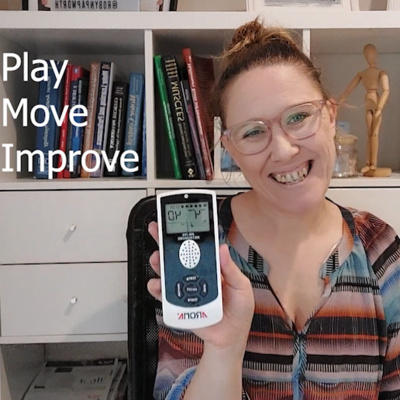
How to use a metronome in an early childhood environment to support children's motor skills and development
In this episode I share 3 strategies for how to use a metronome in an early childhood environment to support children's motor skills and development.
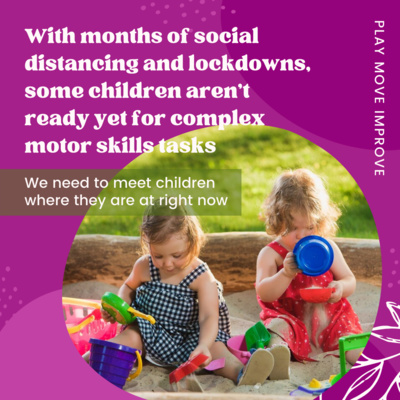
Early childhood education - meeting children at their developmental level since social isolation lockdowns
In this episode I chat about the importance of meeting children at their developmental level since social isolation lockdowns over the past 2 years.
Continue this conversation on my Facebook page - www.facebook.com/playmoveimprove
Supporting children's separation anxiety as they return to kindergarten after lockdown
Screen time for children aged 18 months to 3 years of age
Simple play activities that you can do at home to compliment increased screen time during lockdown
Enjoy my chat with We Rise Networking where I chat about simple play activities that you can do at home to compliment increased screen time during lockdown.
Check out Women in Business AUS/NZ - We Rise Networking | Facebook
Join in my webinar tomorrow where I chat more about children's school readiness and motor skill development - Free Q&A School Readiness Webinar - click drop down box – Play Move Improve
Visual tracking for early childhood preschoolers and primary aged children
All of our children, including mine, are spending hours on screens during lockdowns and remote learning. So in this episode I share some simple visual tracking knowledge and tips to help find a healthy balance between screen time and visual tracking skills.
If you would like more visual tracking play ideas check out my latest book - Early Childhood Movement Program Book by Robyn Papworth – Play Move Improve
Sensory play for your family during lockdown with Robyn Papworth
We're all finding lockdown exhausting and overwhelming so in this podcast episode I share my top 3 sensory therapy tips that may bring comfort to you and your family, or the children that you care for in a classroom setting.
Learn more about sensory play in my webinar here - https://www.eventbrite.com.au/e/164450220035 and share your favourite sensory play ideas on my Facebook page - www.facebook.com/playmoveimprove to help our beautiful community.
How to improve children's balance skills
Enjoy my next early childhood education podcast episode about how to improve children's balance skills.
If you loved this podcast episode, you will love my Early Learning Movement and Play course. Check it out here - https://play-move-improve.thinkific.com/courses/early-learning-movement-and-play-course
How to encourage early childhood outdoor mud kitchen play
If you enjoyed this episode about how to encourage children's development through outdoor mud kitchen play, then you'll love learning more play strategies and activity ideas here - https://play-move-improve.thinkific.com/courses/early-learning-movement-and-play-course
Early childhood conference - sensory play strategies recording - 2020
In this episode I share a recording of my presentation about how educators and teachers can implement a range of sensory play strategies in early childhood classrooms to promote literacy, numeracy, and play skills.
If you love this episode, please leave a review or share your feedback on my Instagram - www.instagram.com/playmoveimprove
Repeating 4 year old kinder was the best decision I made for our family
My 4 year old Phoebe just wasn't ready for prep this year. In this podcast I chat about my journey and my tips for how I made the difficult decision to repeating 4 year old kinder for my daughter.
Share your concerns and comments on my Facebook page - www.facebook.com/playmoveimprove
Kindergarten classroom observation - preschool girl with spatial awareness difficulties
In this episode I chat about what I see at a Developmental Educator and Exercise Physiologist in a kindergarten classroom observation for a preschool girl who demonstrates spatial awareness difficulties; writing her name in mirrored format, finding it difficult to move throughout the playground, and finding it challenging to find her feet during the song 'heads, shoulders, knees, and toes'.
If you enjoyed this episode please share your experiences and feedback on my facebook page - www.facebook.com/playmoveimprove
Thanks for listening :)
Child development real mum chat with Ash from Rainbow Sky Creations
Tune in to our real mum chat with Ash from Rainbow Sky Creations.
Ash and I talk about how we're surviving as busy working mums during social isolation. Ash also shares her tips as a teacher, for ways to engage children during remote learning.
To learn more about the fantastic resources from Rainbow Sky Creations click here - https://www.facebook.com/rainbowskycreations/
Early learning during covid19 chat with Kristy from Early Childhood Expectations
Enjoy listening to my Early learning during covid19 chat with Kristy from Early Childhood Expectations.
During this episode we chat about how educators can reduce the feeling over overwhelm and stress during this difficult time, and how early childhood educators can share their support with families who have young children during social isolation.
Follow Kristy on her social media channels:
https://www.instagram.com/earlychildhoodexpectations/
https://www.facebook.com/earlychildhoodexpectations/
https://www.linkedin.com/company/early-childhood-expectations/
How to work at home while homeschooling children during the coronavirus pandemic
How to work at home while homeschooling children during the coronavirus pandemic
I was asked this question by a hard working mum, so here are my top tips to manage working from home while also managing our children during this very challenging time.
If you have any ideas to share with families, please continue this conversation on my Facebook page - www.facebook.com/playmoveimprove
Technology use and screen time during coronavirus pandemic
We're all relying on technology more than ever right now, trying to survive and maintain our sanity while in social isolation with our families.
Our children are using laptops to complete school work, our toddlers are using smart devices to give us 10 minutes of peace and quiet.
In this episode I share my ideas about technology use and screen time during the coronavirus pandemic, and how we can still maintain a healthy balance between screen time, learning, and physical activity.
Continue the conversation by sharing your thoughts and experiences on my Facebook page - www.facebook.com/playmoveimprove
Should we be worrying about homeschooling during this coronavirus pandemic?
Should we be worrying about homeschooling during this coronavirus pandemic?
We are feeling pressured to follow a curriculum that was created for a qualified teacher in a classroom setting. Teachers are feeling pressured to turn their classroom content into online lesson plans so that our children 'don't feel behind'. But is this all necessary during a pandemic? Or should we be focusing on providing children with love and life skills right now?
Please share your thoughts on my Facebook page, to help support other parents and teachers in our current situation - www.facebook.com/playmoveimprove
How anxiety may impact children's homeschooling during covid19 and what you can do to help
We all have anxiety. Anxiety can be a good thing when we know how to use anxiety to our learning advantage.
In this episode I talk about how to motivate children to learn during homeschooling in social isolation, and how anxiety can have a positive or negative impact on children's ability to focus and pay attention during their covid19 homeschooling sessions.
To learn more about children's learning and development, check out my Facebook page - www.facebook.com/playmoveimprove
Facebook Live recording about surviving social isolation with young children
Listen to our conversation about surviving the pandemic social isolation with Robyn from Play Move Improve and Ash from Smashed it Dance Company.
Ash and Robyn talk about lowering our expectations to save our sanity, and ways to keep children active while we're at home.
If you enjoyed this episode, follow me on Facebook to see our up and coming live chats and homeschooling videos - www.facebook.com/playmoveimprove
Providing child development support during this social isolation pandemic
During this podcast episode, I just wanted to share my story, to why I became a children's Exercise Physiologist, and to reach out to see how I can help you get through this challenging time of social isolation with young children.
If you have a question, or need ideas to keep busy kids entertained and active, simply message me on Facebook or Instagram under the name Play Move Improve.
Child development question - observing children with trauma in the kindergarten classroom
I was asked a great question by a preschool supervisor, about whether one of her students may be struggling in the kindergarten classroom because of his history of trauma from illness and complex hospital admissions.
Join our discussion as I talk about trauma, developmental delay, and infantile reflexes.
Feel free to ask me a question for my next podcast episode. I would love to hear from you.
Early childhood education podcast - Why are children distracted in the classroom?
In this podcast episode, I share my case study of a young boy who is 6, and in his first term of prep this year.
His mum reported his challenges with getting ready for school in the morning. His teacher is concerned about his distractability during transitioning from circle time to the table. After a conversation about this young boy's behaviour at school and at home, his mum mentioned that this young boy also finds it challenging thinking about consequences before acting in their yard at home.
Throughout this episode I share:
* What to look for when observing a child's distractability
* How our environment can impact our ability to pay attention and focus
* The relationship between a child's senses, arousal level, attention, and focus
* The information that we need to collect, to be able to help a child who is easily distracted in the classroom
If you found this podcast episode helpful, and would like to continue your questions in my online coaching session, click here - https://play-move-improve.thinkific.com/courses/child-development-parenting-mentor-online-program
If you would like an in depth training session for your team, click here - https://play-move-improve.thinkific.com/courses/online-learning-support-coaching-session
Early childhood parenting education - pushing preschoolers in prams
In this early childhood parenting education podcast episode, I talk about our latest lifestyle habit of pushing toddlers and preschoolers in prams and shopping trolleys.
This episode is to inform families, not judge them. So please share your positive thoughts and feedback below.
To continue this important conversation, come and say hi in my online early childhood community - https://play-move-improve.thinkific.com/manage/communities/edit/Q29tbXVuaXR5LTE1NTA=