Reframe Your Mindset for Success
By Paul Corke


Reframing Psychometrics with James Brook
In this episode, James Brook reframes psychometrics from simply describing people to understanding the conditions in which they perform, adapt and thrive — and explores how AI, strengths, values and human skills could reshape assessment for the future of work.
In this episode of Reframe Your Mindset for Success, Paul is joined by James Brook to explore the big idea of Reframing Psychometrics.
James challenges the traditional way psychometrics has been used — asking questions such as “What type of person is this?” or “How does this person compare with everyone else?” — and argues that the future should focus much more on a different question:
What conditions enable this individual to perform at their best?
The conversation explores how much of traditional psychometric practice is still rooted in outdated assumptions, models and methodologies, and why assessment now needs to become more contextual, personalised and dynamic. Performance is not simply about personality or ability; it is also shaped by leadership, trust, motivation, skills and the environment around the individual.
AI naturally features heavily in the discussion. James believes it will transform not only the future of work, but also the future of assessment itself. Rather than relying primarily on questionnaires, he envisages a future where intelligent agents and emerging technologies can provide a far richer understanding of people in context, capturing how individuals behave, adapt and perform over time.
We also explore the danger of labelling and pigeonholing people through psychometrics. While personality types and simple frameworks can create useful moments of self-awareness, James questions whether reducing people to a handful of categories is still appropriate in a world where organisations increasingly need individuality, diversity of thinking and uniqueness.
Another key theme is the distinction between talent and strength. James describes talents as the underlying qualities and energisers that help someone do their best work. A strength develops when those talents are built through skill, experience and stretch opportunities and start creating value for others. Strengths therefore are not static — they need to be developed, adapted and sometimes dialled up or down depending on the context.
The discussion also introduces the importance of career motivators, values and self-mastery skills. As AI democratises access to technical knowledge, James argues that distinctly human capabilities such as self-awareness, emotional agility, resilience, self-discipline, communication and adaptability will become increasingly important in determining success.
Finally, James challenges organisations to stop using psychometrics purely to determine whether someone fits today’s job. Instead, assessment should increasingly help us understand someone's capacity to adapt, learn and succeed in roles and challenges that may not yet exist.
You’ll hear:
- Why psychometrics needs to move beyond simply describing personality
- Why context and performance conditions matter as much as individual traits
- How AI could transform assessment and make it far more personalised
- The dangers of labelling and pigeonholing people
- The difference between talents and strengths
- Why values and career motivators matter in understanding the whole person
- The rise of self-mastery and human power skills in an AI-enabled workplace
- Why assessment should increasingly focus on adaptability and future potential
A thought-provoking conversation for leaders, coaches, HR professionals and anyone interested in the future of talent, assessment and human potential.
The reframe:
The future of psychometrics is not about putting people into boxes — it is about understanding their uniqueness, context and capacity to grow.
Reframing HR with Ian Turner
In this episode, Ian Turner helps us reframe HR from an administrative function into a true strategic driver of business performance—human-centred, commercially driven, and essential to the future of work.
In this episode of Reframe Your Mindset for Success, Paul is joined by Ian Turner to explore the big idea of Reframing HR.
Ian’s core philosophy is simple but powerful: HR must be human-centric and commercially driven. It cannot remain an administrative support function. Instead, it needs to become a true strategic partner—aligning people plans with business goals, helping organisations adapt to change, and ensuring talent is used in ways that genuinely make the business stronger.
The conversation begins with the future of work and AI. Ian’s view is not that AI itself is the problem—it is “just software”—but that the real challenge lies in leadership’s ability to embrace and apply it well. Rather than using AI as a blunt tool to cut payroll costs, Ian argues that organisations should use it to remove low-value, repetitive work and allow people to focus on creativity, critical thinking and problem-solving.
From there, the episode explores the leadership skills needed over the next five years, with Ian making the case that curiosity and adaptability are now non-negotiable. Leaders do not need to understand every technical update, but they do need to experiment, stay open, and be willing to learn. This also connects to his belief that managers need to become more like coaches, because the greatest value of coaching is not advice—it is helping people build self-belief.
The discussion also tackles hybrid working, where Ian challenges the ongoing debate about where people work and instead asks a more important question: how do people work best? He argues that decisions about office attendance should be based on evidence, not control, and that trust remains central. If leaders do not trust people to deliver, the issue is not location—it is leadership.
The conversation then moves into retention strategy, where Ian warns against reactive approaches that only kick in when a valued employee is about to leave. Instead, he makes the case for proactive development, genuine engagement and leaders seeing themselves as custodians of talent—developing people not only for the role they are in now, but for the careers they may go on to have.
At the heart of the episode is a compelling challenge for HR itself: Does your people plan make the boat go faster?If it does, HR needs to be able to show that clearly to the business.
You’ll hear:
- Why HR must move beyond administration and become a strategic enabler
- Ian’s view on AI, leadership and the future of work
- Why curiosity and adaptability are critical leadership capabilities
- How hybrid work decisions should be based on trust and data, not command and control
- Why retention should be proactive, not reactive
- What it really means for HR to be human-centric and commercially driven
A thoughtful and practical conversation for leaders, HR professionals and anyone interested in how people strategy can become a real lever for business success.
Reframing Discipline with Dre Baldwin
In this episode, Dre Baldwin reframes discipline from a personality trait into something far more practical: the result of following a clear structure under consequence. It’s a powerful conversation about confidence, consistency, leadership and why success is built on process, not mood.
In this episode of Reframe Your Mindset for Success, Paul is joined by Dre Baldwin — former professional basketball player, prolific author and performance coach — to explore the big idea of discipline. Dre shares his journey from walking on to a Division III college basketball team, creating his own professional playing opportunities, building a brand through YouTube, and eventually helping professionals and entrepreneurs with structured execution.
At the heart of the conversation is a simple but powerful reframe: discipline is not a trait you either have or do not have. Instead, it is the byproduct of following a structure and executing on it consistently. Dre explains why so many people resist discipline even though they know they need it, and why the difference between discipline and motivation matters so much. Motivation comes and goes with your feelings. Discipline, by contrast, allows you to keep showing up whether you feel like it or not.
The episode also explores how discipline creates confidence. By practising, preparing and doing the work repeatedly, people build belief in their ability to perform. Dre makes the case that confidence is not something you wait for — it is something that is earned through disciplined behaviour. This leads into a wider discussion on mental toughness, sustained success, and why high performers stick to the process even when results are not immediately visible.
The conversation then broadens into leadership, where Dre argues that leadership is ultimately a people job. Great leaders need structure, but they also need to understand what the people on their team actually want, because performance improves when people feel seen, valued and understood. This makes the episode relevant not only for individuals looking to build more discipline, but also for leaders trying to create better standards, stronger teams and healthier cultures.
The final takeaway is especially powerful: if you want discipline, go one level higher and get clear on your personal principles. According to Dre, when your principles are fixed, your structures become obvious, and disciplined behaviour becomes far easier to maintain.
You’ll hear:
- Why discipline is a system, not a personality trait
- The real difference between motivation and discipline
- How discipline builds confidence and self-belief
- Why high performers sustain success through mental toughness and structure
- What leaders need to understand about people, performance and discipline
- Why clarity on your personal principles may be the foundation of all lasting success.
A practical and insightful conversation for anyone who wants to stop relying on how they feel and start building the structures that support real success.
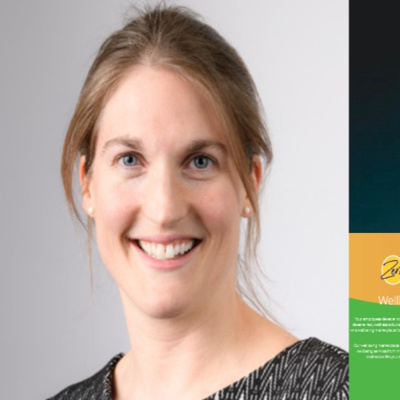
Reframing Wellbeing in the Workplace with Liz Sebag-Montefiore
In this episode, Liz Sebag-Montefiore reframes wellbeing from a workplace “perk” or isolated initiative into a strategic driver of performance, retention and risk management—and argues that the future of wellbeing lies in personalised, employee-led solutions.
In this episode of Reframe Your Mindset for Success, Paul is joined by Liz Sebag-Montefiore, CEO of 10Eighty, to explore the big idea of reframing wellbeing in the workplace. Liz explains why wellbeing is no longer a “nice to have” or just another HR initiative, but a core business strategy that directly impacts performance, retention and long-term organisational success.
The conversation explores why wellbeing has become such a major area of investment for organisations. Liz shares that, following research with clients, wellbeing emerged as one of the top priorities for the next 2–5 years, alongside AI and future skills. She explains that organisations are increasingly recognising the connection between how people feel and how they perform, with burnout, disengagement and absence now seen as systemic challenges rather than isolated issues. At the same time, employee expectations have shifted, with people far more willing to leave organisations that do not genuinely support their wellbeing.
Liz also challenges the traditional “one-size-fits-all” wellbeing model. Instead of generic benefits or token initiatives, she makes the case for personalised, employee-led wellbeing—support that reflects the different ages, stages and real-life needs of a diverse workforce. This is the thinking behind 10Eighty’s new Marketplace Platform, which allows employees to self-select from a wide spectrum of wellbeing support in a way that is both tailored and, where needed, anonymous.
A major takeaway from the episode is that leaders play a crucial role in whether wellbeing succeeds or fails. Liz highlights the importance of managers being able to have better conversations, create psychological safety, and build enough trust for employees to speak honestly about what they need. Wellbeing, she argues, must be embedded into leadership capability and organisational culture, rather than bolted on as a standalone programme.
You’ll hear:
- Why wellbeing has become a strategic priority for the future of work
- The top three reasons to invest in wellbeing: performance, retention and risk
- Where organisations still get wellbeing wrong
- Why personalisation matters more than generic wellbeing offerings
- How leaders can create the trust and conversations that make wellbeing real
- Why the future of workplace wellbeing is likely to be more preventative, predictive and employee-led.
A practical and timely conversation for leaders, HR professionals and organisations who want to make wellbeing more than a benefit—and instead turn it into a meaningful part of how people work, perform and thrive.
Check out 10Eighty's Wellbeing Offering for organisations - https://10eighty.co.uk/services/wellbeing-services/
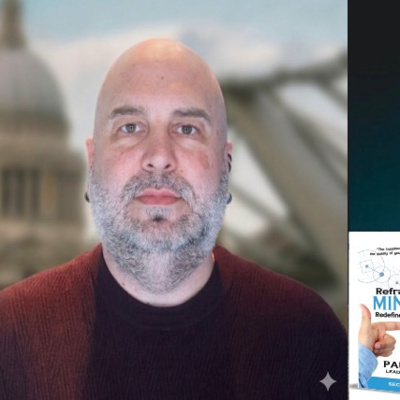
Reframing Talent Strategy with Rob Moore
In this episode, Rob Moore reframes talent strategy from a reactive hiring challenge into a deliberate strategic advantage—one built on behaviours, values, potential and future-fit thinking, not just job descriptions and short-term fixes.
Paul is joined by Rob Moore to explore how organisations can reframe talent strategies for a fast-changing future. Rob challenges the outdated assumption that great talent is simply “out there” waiting to be found, or that people will automatically want to work for your organisation. Instead, he makes the case for a more strategic, future-focused approach: understanding where the organisation is going, what value it wants to create, and which behaviours, capabilities and qualities will best support that journey.
A major theme in the conversation is that too many organisations are still designing around old roles, old job descriptions and short-term firefighting, rather than building talent pipelines for the future. Rob explains why behaviours are often the true drivers of success, why values alignment matters so much, and why the best talent strategies begin by clearly defining what good looks like. He also shares a powerful mindset shift: instead of seeing talent as scarce and external, leaders should begin with the belief that everyone has talent, and the real opportunity lies in identifying, developing and placing that talent well.
The discussion also moves into retention, internal mobility and the future of work. Rob talks about why leaders sometimes hold talent too tightly, why movement across teams and functions should be seen as a positive, and how opening up development opportunities can strengthen both engagement and retention. Looking ahead, he also reflects on the role of AI—not as a total replacement for people, but as a tool that can remove mundane tasks and help humans focus more on judgement, context, relationships and value creation.
You’ll hear:
- Why many leaders still hold outdated assumptions about talent
- Why behaviours and values often matter more than qualifications alone
- How to build talent strategies around mission, vision and future direction
- Why internal mobility and development should be part of every talent strategy
- How to think about AI, human value and future capability in a more balanced way
- Why the strongest talent mindset may simply be this: everyone has talent — the challenge is learning how to unlock it.
A practical and thought-provoking conversation for leaders who want to stop firefighting talent issues and start building talent strategies that are more human, more intentional and more future-ready.
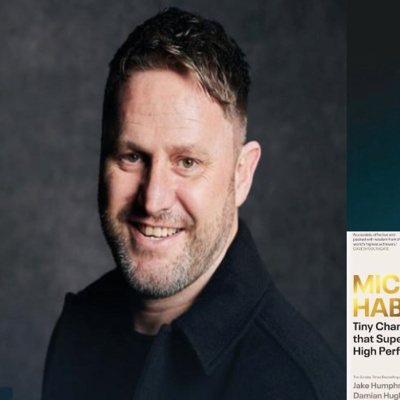
Reframing High Performance with Damian Hughes
In this episode, Professor Damian Hughes explores the big idea of Microhabits—small, simple and speedy actions that quietly shape performance, culture, decision-making and the quality of your life.
In this episode of Reframe Your Mindset for Success, Professor Damian Hughes returns to unpack the big idea behind his new book: Microhabits.
These are the small, quiet moments of decision-making that often go unnoticed—but over time define who we become, how we lead, and how we perform. Damian explains that the best microhabits follow the 3 S’s:
- Small — easy to wrap your head around
- Simple — easy to build into daily routines
- Speedy — can be done in under five minutes
The goal is simple: turn helpful behaviours into autopilot habits that improve performance, relationships and resilience.
In this conversation, we explore how microhabits can sharpen decision-making under pressure, strengthen leadership, shape culture, and even change the language we use to describe ourselves and our lives.
You’ll hear:
- The power of microhabits and why small actions often create the biggest shifts
- A 3-question framework for better decisions under pressure
- Why becoming a “chief encourager” can lift both your performance and the performance of others
- How language shapes mindset: moving from “busy” to “productive”, from “surviving” to “living”
- The difference between envy and jealousy, and the power of pronoia
- Why feed-forward is often more effective than feedback
- The leadership lesson that culture is caught, not taught
- How presence, vulnerability and small daily choices shape fatherhood, family and identity
Try this (Microhabit Starter):
Before your next important decision, pause and ask:
- What do I want to happen?
- What do I think will happen?
- How do the benefits outweigh the risks?
Then choose one small, simple, speedy action that moves you forward.
A thoughtful and practical conversation about how the smallest choices can create the biggest changes—in leadership, life and the way we show up for the people who matter most.
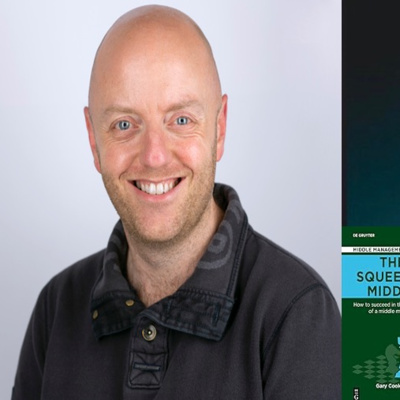
Reframing Middle Management with Gary Cookson
In Reframing Middle Management, Gary Cookson explores why the “squeezed middle” matters more than ever in a fluid, fast-changing world of work—and how middle managers carry culture, sense-make through uncertainty, and lead without formal authority.
In this episode of Reframe Your Mindset for Success, Paul is joined once again by Gary Cookson to explore his latest book, The Squeezed Middle, and to reframe how we think about middle management.
As the future of work becomes more fluid, complex and uncertain, middle managers are often the people carrying the greatest burden—yet receiving the least recognition. They are the bridge between strategy and reality, the people expected to absorb pressure from above while supporting teams below. Gary explains why the “squeezed middle” has long been the layer most exposed to cuts, change and competing demands, yet remains absolutely central to organisational success.
This conversation shines a light on the invisible work middle managers do every day: the emotional labour, the sense-making, the relational strain, the culture-carrying, and the difficult balancing act of leading often without formal authority. Gary shares why middle managers are the mirror of the organisation, how they shape the lived experience of culture, and why the shadow of a leader matters so much in how others feel, behave and perform.
You’ll hear:
- Why the future of work is becoming more fluid—and why that increases pressure on the middle
- What the “squeezed middle” really is, and why it has historically been vulnerable to cuts
- How middle managers carry culture through their everyday actions, choices and conversations
- The invisible work of leadership: emotional strain, emotional labour and relational load
- Why middle managers are often the sense-makers and organisational mirror
- How to lead without authority and influence from the middle
- The importance of psychological safety, vulnerability and bringing your authentic self to work
- When and how middle managers can push back—and why doing so shapes culture, not disrupts it
Try this (Middle Management Reset — 5 minutes):
- Ask yourself: “What am I carrying that no one can see?”
- Identify one conversation where you need to create more clarity, safety or challenge.
- Use this sentence starter: “What I’m noticing is… and what I think we need to talk about is…”
- End with one practical question: “What’s the best next step from here?”
A thoughtful and timely conversation that reframes middle management not as a layer to cut or bypass—but as one of the most important places where leadership, culture and performance truly come alive.
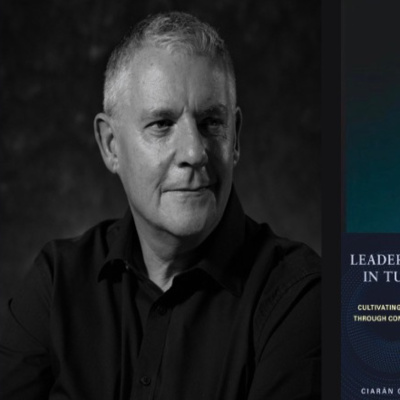
Reframing Leadership with Ciaran Casey
Leadership practitioner Ciarán Casey introduces the Conscious Relational Impact (CRI) Model™—a powerful reframe of leadership as attunement, trust and intentional connection, not control.
In this episode, Paul Corke is joined by Ciarán Casey—a leadership practitioner and coach with more than 30 years of senior leadership experience across sectors and international contexts. His work has focused on organisational transformation, culture development, high-performing teams, and navigating the complexity of human systems.
Over the past five years, Ciarán has designed and delivered experiential leadership programmes for senior civil servants and executive teams, with a focus on trust, collaboration and relational impact. A trained mediator and conflict dynamics practitioner, with an MSc in Management of Operations, he brings a rare blend of operational rigour and human-centred leadership.
In this conversation, Ciarán introduces the Conscious Relational Impact (CRI) Model™—a relational framework grounded not in control, but in conscious alignment. At its core is a simple but profound premise: leadership succeeds or fails in the space between people. CRI reframes leadership as attunement—the ability to notice what is happening between people and respond with intention rather than reflex.
You’ll hear:
Why leadership is fundamentally relational, not transactional
The core idea behind the Conscious Relational Impact (CRI) Model™
How to lead through complexity with trust, presence and intentionality
Why connection, not control, creates lasting impact
The role of attunement in high-performing teams and healthy cultures
How this links to Leadership 5.0
Try this (90-second Relational Reset):
Pause (20s): Before your next conversation, stop and notice your state.
Attune (30s): Ask yourself, “What is happening between us right now?”
Choose (40s): Respond with one intentional behaviour—curiosity, calm, candour or empathy.
A thoughtful and practical episode for leaders who want to move beyond control-based leadership and create deeper trust, stronger teams and more meaningful impact.
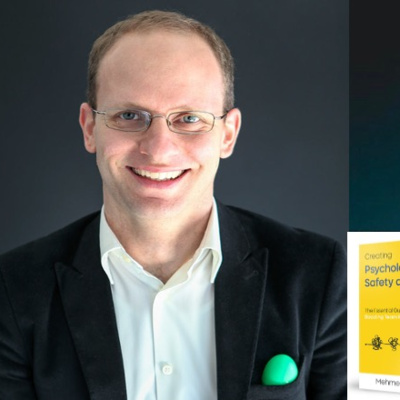
Reframing Psychological Safety with Mehmet Baha
Author of Creating Psychological Safety Mehmet Baha reframes PS from “being nice” to speaking up with candour and care—so teams learn faster, decide better, and perform under pressure.
Season 3 opens with Mehmet Baha, author of Creating Psychological Safety, to reframe what psychological safety really is—and how to build it deliberately. We move PS from a vague “be kind” idea to a repeatable, leader-led practice that makes speaking up normal, feedback useful, and mistakes sources of learning rather than blame.
You’ll hear:
Reframe: psychological safety ≠ “being nice”; it’s freedom to contribute + accountability for standards
The leadership shift required to make candour safe and performance non-negotiable
Core components & practical plays to boost team learning and results
How to measure psychological safety (and track improvement)
Case studies of PS in action across organisations
Try this (90-second Safety Starter):
Frame (20s): “We may be wrong. Speaking up helps us win.”
Invite (40s): Ask two prompts: “What’s the risk we’re not naming?” and “What’s one assumption to test first?”
Respond (30s): Thank, name the next step, and time-box a test (who/what/when).
A practical conversation with tools you can use in your next meeting to turn silence into signal—and pressure into performance.
Baha's book "Creating Psychological Safety at Work" 👉 https://www.amazon.com/Creating-Psychological-Safety-Work-Performance-ebook/dp/B0D2BFKBK6/ref=sr_1_1?crid=14VS6VISMWCR3&dib=eyJ2IjoiMSJ9.pwMvWzycqpJCaILY522atQ.B7KnCtrX3Kl3atlqrYW3XjSeEpYMN4c1WWninvtOCTs&dib_tag=se&keywords=mehmet+baha+creating+psychological+safety+at+work&qid=1719407328&sprefix=mehmet+baha+creating+%2Caps%2C181&sr=8-1
Free resources on psychological safety 👉 https://www.solutionfolder.com/free-resources
6-month learning program on psychological safety 👉 https://solutionfolder.lpages.co/6month-leadership-program/
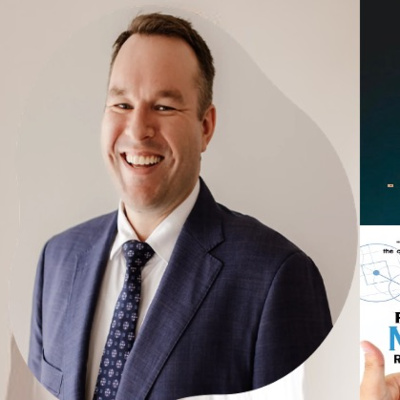
The Mindset of a Creative Entrepreneur with Callum Gracie
Creative entrepreneur Callum Gracie (Founder, Otto Media) on resilience, ADHD-fuelled creativity and scaling a values-led agency—after losing everything in COVID and reinventing through SEO (with a side of DJ decks).
In this episode, Paul Corke sits down with Callum Gracie, founder of the fast-growing digital marketing agency Otto Media. Callum’s path runs from music teacher & trumpet player to managing hundreds of creatives, to losing everything during COVID—and rebuilding from the ground up via SEO, content and a renewed creative practice (yes, including DJing).
We dig into the mindset of a creative entrepreneur: how ADHD can power originality (and how to channel it with systems), why he thanks the inner “runner” that always wants to go faster, and why integrity and honesty matter more than money when you’re building something that lasts.
You’ll hear:
Reinvention after crisis: turning a wipeout into a clearer model, cleaner offers and stronger focus
ADHD as an edge (and a risk): sprint–recovery rhythms, constraint-based planning, externalised checklists
Scaling a creative business: simple services → reliable delivery → repeatable results (and when to say no)
SEO without the smoke: helpful content, smart keywords, authority flywheels and patient compounding
Leadership for creatives: psychological safety, crisp briefs, feedback loops and “done is better than perfect”
Building by values: integrity > income for long-term clients, culture and sleep-at-night decisions
How this maps to Paul’s Mindset Equation (Aspiration, Belief, Drive/Motivation, EQ, Resilience, Learning Agility)
Try this (Creative Growth Sprint — 45 minutes):
Offer clarity (10 min): Write one-line promises for your top 1–2 services (who → result → timeframe).
Process pass (10 min): List the 5–7 steps that deliver each service; mark the two steps to automate/templatise next.
SEO seed (10 min): Brain-dump 10 Qs your ideal client Googles; pick one and outline a helpful post (headline + 3 points).
Focus block (10 min): Ship a v1 (post or landing page section). Done > perfect.
Value check (5 min): Note one decision this week where you’ll choose integrity over urgency.
A candid, energising conversation—packed with real stories, practical scaling tips and mindset moves for founders, leaders and anyone navigating life’s storms.
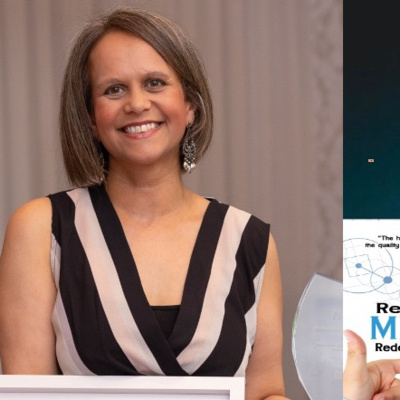
The Mindset of a Marketing Coach & Business Strategist with Yasmin Vorajee
Marketing coach & business strategist Yasmin Vorajee (creator of The Freedom Engine™, author of Tiny Time, Big Results and High Revenue Rebel) on building a time-rich, profit-smart business in 20 hours/week—with clarity, simple offers and repeatable marketing.
In this episode, Paul Corke reconnects with Yasmin Vorajee—a Marketing Coach & Business Strategist who helps solopreneurs collapse years of trial-and-error into clarity and a business that works in ~20 hours per week. Creator of The Freedom Engine™ and author of Tiny Time, Big Results and High Revenue Rebel, Yasmin shows how to power growth with focused offers, clean systems and a calm marketing rhythm—without burning out.
We dig into the mindset behind a tiny-time, big-results business: permission to simplify, boundaries that protect focus, and the belief shifts that turn consistent action into consistent revenue.
You’ll hear:
The Freedom Engine™ essentials: Client → Core Offer → Channel → Cadence → Conversion
Designing a 20-hour week: capacity math, boundaries, and two daily focus blocks
Crafting a signature offer (promise, price, pathway) that’s easy to sell & deliver
Marketing that compounds: one primary lead source + one nurture channel + one CTA
Sales made simple: problem → promise → proof → next step (no pressure tactics)
Mindset shifts: busy → boundaried, perfect → progress, scattered → single focus
How it maps to Paul’s Mindset Equation (Aspiration, Belief, Drive/Motivation, EQ, Resilience, Learning Agility)
Try this (90-minute Tiny Time Sprint):
Promise line (10 min): “I help [who] get [result] in [timeframe] without [big headache].”
Offer snapshot (15 min): price, 3 milestones, 3 deliverables, 1 guarantee/assurance.
Channel & cadence (10 min): pick one audience channel + posting cadence (e.g., 3×/wk).
Focus blocks (2 × 20 min): create one helpful post + one lead magnet/DM CTA.
Conversations (15 min): invite 3 ideal clients to a 15-min ideas call.
Review (10 min): log responses, note the next smallest improvement.
A practical, permission-giving conversation for solopreneurs who want more impact in less time—and a marketing system that’s simple enough to stick.
The Mindset to Grow Through What You Go Through with Philippa Fairbrother
Founder of Satori People Development Philippa Fairbrother on how to grow through what you go through—turning setbacks into strength, fixing team friction, and boosting profits, retention and workplace love through better communication and resilient mindsets.
In this episode, Paul Corke is joined by Philippa Fairbrother, Founder of Satori People Development. Philippa helps SME owners boost profits, retain top talent, and create workplaces people love—by resolving team friction, upgrading communication and transforming the way teams operate. She shares the personal challenges she’s faced and how reframing her mindset has been pivotal to her success and the results she now helps clients achieve.
We unpack how to grow through what you go through—for individuals and teams: meaning-making after adversity, simple operating rituals that prevent re-injury, and people practices that turn turbulence into traction.
You’ll hear:
Philippa’s story: reframes that turned tough seasons into clarity, courage and craft
The Team Friction Triad (misaligned expectations • missing feedback • mismatched rhythm) and how to fix each
Conversation tools that stick: stay interviews, 1:1 cadence, and CARE feedback (Context–Action–Result–Effect + request)
Retention levers for SMEs: early wins, recognition rituals, growth plans, line-of-sight metrics
Resilience in practice: state → story → strategy, ABCDE thought disputing, and tiny habits that compound
How this maps to Paul’s Mindset Equation (Aspiration, Belief, Drive/Motivation, EQ, Resilience, Learning Agility)
Try this (7-Day “Grow-Through” Sprint):
Name it: write today’s challenge + a reframe: “This could be useful because…”
ABCDE (1 page): Adversity → Belief → Consequence → Dispute the belief → Energisation (what changes?).
Run one stay interview: “What keeps you here? What might pull you away? What 1–2 changes would make work better?”
Friction finder: list 3 recurring tensions; pick 1; agree a clear standard and owner.
10-10-10 1:1: 10 mins report → 10 coach (questions) → 10 commit (who/what/when/how we’ll know).
Recognition x1/day: specific, behaviour-based praise that links to purpose.
Friday AAR (5 mins): Intended? Happened? Why? Change by Monday?
A practical, hopeful conversation about using mindset and people systems to turn hard moments into healthier culture and better results.
The Mindset of a Possibility Coach with Dave Verburg
Possibility Coach Dave Verburg (MD, Mission Success Ltd) on turning constraints into options—using “how might we…?” questions, masterminds and simple accountability to help teams and leaders become more than they thought possible.
In this episode, Paul Corke is joined by Dave Verburg—Managing Director of Mission Success Ltd and a business coach specialising in team, leadership and mastermind coaching. Dave’s work inspires people to believe in themselves, expand what they see as possible, and execute with momentum. We explore the possibility mindset: shifting from “why it won’t work” to “what would make it work?”, designing small experiments, and using peer support to turn ideas into outcomes.
You’ll hear:
What a Possibility Coach does—and how to move from problems → possibilities → plans
Language that unlocks options: “How might we…?”, “What would have to be true?”, “Assuming success, what’s step one?”
The Choice Map: victim → bystander → creator (and how leaders model it)
Mastermind mechanics that work: hot seat, focused questions, commitments, scoreboards
Team playbook: clarity of outcome, constraints as design inputs, small certain wins
Try this (20-minute Possibility Lab):
Outcome line (2 min): “By [date], success = ___ because ___.”
Constraint flip (3 min): list top 3 constraints; for each ask, “How might we use this?”
10× options (5 min): rapid-write 10 possible moves (no judging).
Pick 1 small bet (5 min): choose the highest-impact, lowest-effort action; define success criteria.
Mastermind ping (5 min): message one peer: share your bet + one commitment + by when.
A practical, energising conversation about choosing belief, designing smart experiments and building the support systems that make possibility real.
The Mindset of a Personal Performance Coach with Caroline Gavin
Personal Performance Coach Caroline Gavin on the science of change—mental fitness, neuroscience-informed habits and coaching tools to perform under pressure (without burning out).
In this episode, Paul Corke is joined by Caroline Gavin—an accredited Personal Performance Coach and NLP Practitioner (The Coaching Academy, London – ACSTH/ICF), Certified Mental Fitness Coach with Positive Intelligence (CPQC), Team Coaching Practitioner (Global Team Coaching Institute – EMCC), Neuroscience-Empowered Coach (Synaptic Potential), Master Coach at the International Coaching Academy (Liverpool), and practitioner of The Thinking Environment (Nancy Kline).
Caroline is passionate about performance science—translating cognitive and neuroscience insights into simple practices that build clarity, focus and resilience. We explore how to create results you can sustain: sharper thinking, better self-command, and team environments where high performance feels human.
You’ll hear:
Mental fitness vs. mindset: building self-command so you respond (not react) under pressure
The neuroscience of change: attention → emotion → repetition for durable habits
Thinking Environment moves that improve meetings (quality of attention = quality of thinking)
Positive Intelligence in action: intercept saboteurs, strengthen “sage” muscles, design PQ reps
Team performance levers: clear outcomes, cognitive diversity, and psychological safety rituals
Try this (3-minute Mental Fitness reset):
Physiological sigh (20–30s): inhale, top-up inhale, long slow exhale; repeat 3–4 times.
Sensory anchor (60s): rub finger & thumb pads slowly; notice micro-ridges (pure sensation).
Name the pattern (30s): “I notice the ___ saboteur.” (e.g., Pleaser/Controller/Stickler)
Sage question (30s): “What’s the smallest, most helpful next step?”
Implementation intention (30s): “If it’s [trigger], I’ll [tiny action], because [reason].”
A practical, science-backed conversation to help you think clearer, feel steadier, and perform better—consistently.
The Mindset of an Executive Coach with Fiona Flemington
Executive coach Fiona Flemington on the leader’s mindset—turning vision into priorities, playing to strengths, handling tough conversations and building sustainable performance.
In this episode, Paul Corke is joined by Fiona Flemington—an experienced Executive Coach who’s partnered with senior leaders across sectors since 2014. With 30 years in leadership development, Fiona has a proven track record helping clients clarify vision, leverage strengths, navigate high-stakes challenges and develop capability for lasting, sustainable success.
We unpack the executive mindset: moving from reactive to intentional, focusing on the few priorities that matter, and creating the rhythms (reviews, feedback, reflection) that keep performance and wellbeing in balance.
You’ll hear:
Vision → strategic priorities → leadership behaviours (how to cascade clearly)
Strengths-based growth without blind spots (derailers & trigger management)
Running high-stakes conversations: context → intent → impact → ask
Stakeholder mapping & influence: sponsors, skeptics, operators, customers
Operating cadence: weekly WIP, decision meetings (not updates), reflection rituals
Try this (Executive Clarity—15 minutes):
90-day outcomes (3 lines): Success = [Outcome] measured by [Metric].
Priorities (3): one owner, one metric, one first step each.
Stakeholders (4): sponsor, skeptic, operator, customer—book two 1:1s.
Calendar check: protect two 90-min focus blocks + one weekly decision meeting.
Debrief cadence: end the week with a 5-minute AAR—intended / happened / why / change.
A clear, practical conversation for leaders who want to think sharper, lead calmer and deliver what matters.
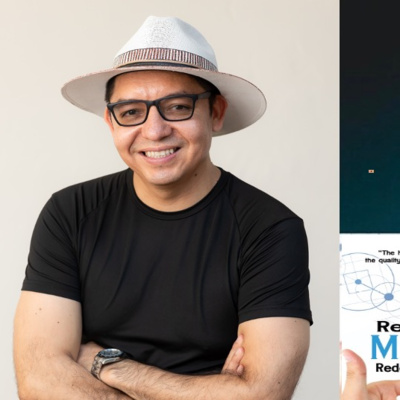
The 'Beginners Mindset' with Jose Estrada
Entrepreneur Jose Estrada on the Beginner’s Mindset—curiosity, small bets and fast learning loops that help you step out of your comfort zone and start what matters.
In this episode, Paul Corke is joined by Jose Estrada—a successful entrepreneur and master of curiosity whose career has been built by repeatedly stepping into the unknown. Jose calls it the Beginner’s Mindset: dropping ego, asking naive-but-powerful questions, and running small, safe-to-try experiments that compound into big results.
We explore how adopting a beginner’s lens fuels creativity, resilience and momentum—at work, in business and in life. Jose shares the stories behind his pivots, the habits that keep him learning fast, and practical ways you can start (and keep starting) without waiting for perfect conditions.
You’ll hear:
What the Beginner’s Mindset really is (and isn’t): curiosity over certainty, learning over looking clever
How to design small bets: tiny experiments with clear success criteria and short feedback loops
Asking first-principles & “naive” questions that unlock new options
Beating perfectionism: start ugly, iterate, improve
Turning fear into fuel: reframes, environment design and recovery rituals
How this maps to Paul’s Mindset Equation (Aspiration, Belief, Drive/Motivation, EQ, Resilience, Learning Agility)
Try this (7-day Beginner’s Sprint):
Define one tiny target: “By this time next week, I will have a first version of ___.”
Assumption map (5 min): List 3 things you’re assuming. Pick 1 to test first.
Design a micro-experiment: audience, action, measure (e.g., 10 outreach msgs → 3 replies = proceed).
Daily 20-minute “start ugly” block: no polish, just progress.
Naive Q of the day: “If I were brand new, what would I try?”
Feedback loop: share v0.1 with one person; ask, “What’s one thing to keep, one to change?”
Friday retro: wins, lessons, next small bet.
A motivating, practical conversation that will leave you itching to begin—again.
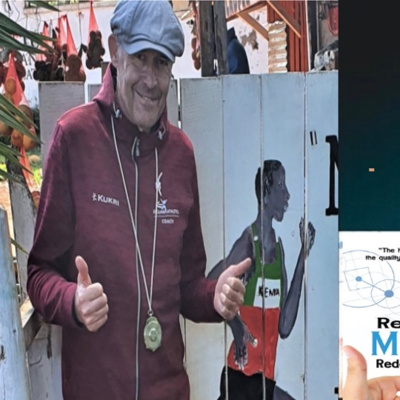
The Mindset of a Running Coach with Nick Bishop
Running coach Nick Bishop on the athlete’s mindset—clarity, consistency and smart training—plus lessons from Iten, Kenya (Home of Champions) you can use in sport, work and life.
In this episode, Paul Corke is joined by Nick Bishop—a coach with lifelong experience from track to marathon. Formerly a junior at Manchester AC, Nick now leads as Head Coach at Wilmslow Running Club, and coaches at Running Bear RC and The Farm Club (Pickmere), with a weekly face-to-face roster of ~100 athletes. He also works with top athletes in Iten, Kenya, learning first-hand what fuels a “Home of Champions” mindset.
We dig into the runner’s mindset: stacking small wins, training with intent (not ego), and recovering like it’s part of the plan. Nick shares how he develops club runners into competitive athletes, the discipline he sees in Kenyan camps, and practical frameworks anyone can use to reframe for success—even if you never lace up.
You’ll hear:
Clarity → consistency → capacity: how to build fitness (and confidence) the right way
Training with zones & intent (easy days easy, hard days purposeful) to avoid burnout
The Kenyan principles: community, patience, humility—and why recovery is a session
Race (and work) execution: plan → pace → adapt under pressure
Habits that transfer beyond sport: routines, data that matters, and environment design
Try this (10-minute focus & form reset—runner or not):
Breathe (1 min): in 4 / out 6 through the nose; relax jaw/shoulders.
Intention (30s): “Today’s goal is ___; success looks like ___.”
Cadence & posture (3 min): stand tall, slight lean, light feet; if running, 20–30m strides x4 at relaxed form; if working, 3×30s walk breaks each hour.
Zone discipline (5 min): set your “easy” pace/effort and keep it honest; for work, choose one task and time-box 5 minutes to start.
Close (30s): note one micro-win to stack belief for tomorrow.
A grounded, high-value conversation on coaching, performance and the everyday mindset that builds champions—on the road and in real life.
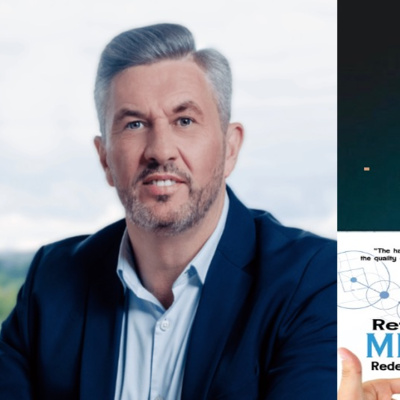
The Mindset of Success with James Fleming
Leadership & Motivational Intelligence (MQ) expert James Fleming—author of You Can Have Success Or Excuses; You Cannot Have Both—on the mindsets and habits that turn setbacks (including redundancy) into a million-pound success.
In this episode, Paul Corke is joined by James Fleming, a leadership and Motivational Intelligence (MQ) expert and author of You Can Have Success Or Excuses; You Cannot Have Both. James shares how he reframed redundancy into a seven-figure business, and the practical MQ tools leaders and professionals can use to remove blockers, raise standards and execute.
We unpack a mindset of success—clear goals, ruthless ownership, and everyday behaviours that compound—plus the questions James uses to replace excuses with momentum.
You’ll hear:
What Motivational Intelligence (MQ) is—and how it drives choices under pressure
From excuse to ownership: the E→O shift (explanation → outcome) in daily language
Building a success operating system: clarity, standards, scorecards, cadence
Decision speed: frame → options → first step → review (tight feedback loops)
Turning setbacks into assets: meaning, metrics and micro-wins
Try this (No-Excuses 7-day sprint):
Outcome line (1 min): “By [date], success = ___ because ___.”
One standard (1 min): choose a non-negotiable behaviour (e.g., 90-min daily focus block).
Because-plan (1 min): “If it’s [trigger], I’ll [action], because [reason].”
E→O swap (daily): replace “why I can’t” with “Given the constraint, my next best step is ___.”
Scorecard (evening, 2 min): did I meet the standard? Yes/No + note.
Micro-win (30 sec): log one win to stack Belief for tomorrow.
Friday review (5 min): keep/kill/start for next week.
A direct, practical conversation about choosing results over reasons—and building the mindset and mechanisms that make success repeatable.
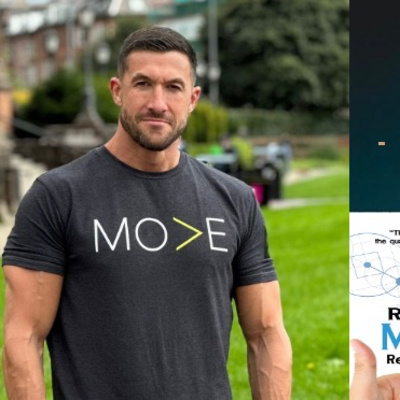
The Mindset of a Business Networker with Mark Waldron
Award-winning business networker Mark Waldron on relationship-first growth—how to turn conversations into community, referrals and revenue with the right mindset, discipline and content cadence.
In this episode, Paul Corke is joined by Mark Waldron—multi-award winner in business networking & relationship building. Mark coaches and mentors business owners and professionals through 1-1s, group coaching, team performance workshops and mastermind sessions. With a deep background in relationship marketing and a strong social presence, he leads by example: consistent content, generous introductions and practical playbooks that help people take control of their business and life.
We unpack the networker’s mindset: value before ask, curiosity over pitch, and disciplined follow-up that compounds. Mark shares how to choose the right rooms, run high-impact 1-1s, build a simple referral system, and use social content to keep relationships warm—without feeling salesy.
You’ll hear:
The relationship flywheel: Give → Show up → Follow up → Amplify
Mark’s 4Cs of networking: Clarity (who/why), Consistency (cadence), Curiosity (great questions), Contribution(introductions)
1-1s that convert: a 15–30–15 structure, problem-finding questions, and clean next steps
A referral system that works: trigger phrases, “make-it-easy” briefs, and thank-you loops
Content that supports networking: 2–3 pillars, weekly cadence, and a simple CTA
Try this (7-day Networking Sprint):
Day 1 – Clarity: Write your ICP in one line + a problem you solve + your promise.
Day 2 – Top 25: List 25 relationships. Tag A/B. Send 3 value-first messages (share an intro, resource, or invite).
Day 3 – Content: Post one helpful insight with a soft CTA: “If this is you, DM ‘guide’ and I’ll send the checklist.”
Day 4 – Connectors’ day: Make two intros between people who should meet (why + what + next step).
Day 5 – 1-1s: Run two 30-minute calls using 15–30–15 (rapport → discovery → agree next step).
Day 6 – Follow-up OS: Start a simple CRM/sheet: contact, context, next action + date. Block a 30-min follow-up power hour weekly.
Day 7 – Review: Wins, lessons, 3 relationships to deepen next week.
Two ready-to-use lines:
Referral ask: “If you hear someone say ‘we need more leads but hate cold outreach’, think of me—I can help with relationship-led growth. Would any of your clients value a 20-minute ideas call?”
Value-first DM: “Spotted your post on [topic]. I’ve got a 1-page checklist teams use to fix that—happy to send?”
A practical, high-energy playbook for turning networking into a sustainable growth engine—rooted in mindset, generosity and smart habits.
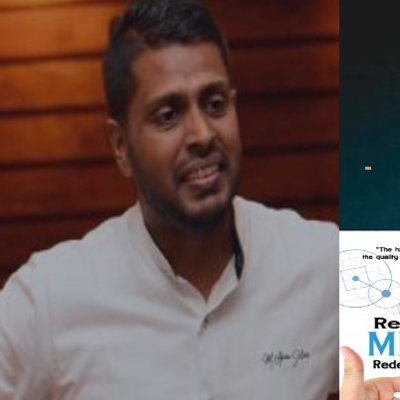
The Mindset of an EQ Specialist with M.Azeem Saheer
EQ specialist M. Azeem Saheer on emotional intelligence you can use: turning feelings into better leadership, culture and collaboration—with tools like the Emotional Culture Deck, coaching habits and LEGO® Serious Play.
In this episode, Paul Corke is joined by Mohamed Azeem Saheer—a Human Capital specialist with 15+ years of global experience across Sri Lanka, Qatar and the UAE. Azeem designs and delivers initiatives in leadership development, culture building, collaboration, creativity and innovation. He’s among the first in his country to become Genos-certified in Emotional Intelligence and a Riders&Elephants Emotional Culture Deck practitioner, an ICF PCC-level coach, and he integrates LEGO® Serious Play to turn serious topics into immersive learning. Azeem is a Lead Facilitator at Luminary Learning Solutions and hosts the podcast Ei Café with Azeem.
We unpack the mindset of an EQ specialist: how emotions drive behaviour, decision quality and team performance—and how leaders can make EQ practical (not fluffy) in day-to-day conversations, meetings and rituals.
You’ll hear:
The EQ → behaviour → results chain—and where to intervene fast
Core EI skills in action: self-awareness, self-management, awareness of others, positive influence
Using the Emotional Culture Deck to codify how your team wants to feel (and not feel) at work
Coaching micro-habits for managers: ask > tell, reflective listening, and clean commitments
LEGO® Serious Play & metaphor to surface assumptions, align strategy and spark creativity
Try this (10-minute EQ reset for your team):
60-sec breath + label: In 4 / out 6; name your state in one word (e.g., “tense/flat/curious”).
Emotional Culture quick pass (3 min): “For this project, we want to feel ___ more and ___ less.” Capture 3/3 as a team.
Impact check (3 min): For each “feel more,” ask: What behaviour proves it this week? (one example per person).
Clean close (3 min): Each person states one action, by when, and how you’ll know it’s done.
A practical conversation on using emotional intelligence to lead better, collaborate deeper and create cultures people want to be part of.
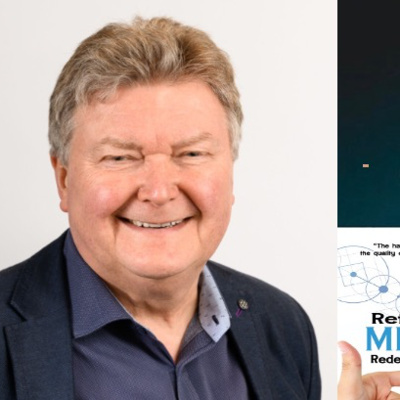
The Mindset of a CEO with Michael Moran
CEO & Founder of 10Eighty Michael Moran on the CEO mindset behind career satisfaction, engagement and designing jobs & career paths that help people do their best work.
In this episode, Paul Corke is joined by Michael Moran—CEO and Founder of 10Eighty. Michael is passionate about helping people maximise their potential and believes everyone deserves job satisfaction and a successful career. He helps organisations design roles and career paths that lift engagement and performance. With an HR backgroundspanning the NHS and Financial Services, Michael has led HR consultancies specialising in career management for over 20 years.
We explore the mindset of a CEO who puts careers at the centre of strategy: how to align leadership, culture and talent so people grow while the business delivers. Michael shares his story and practical insights on leadership, mindset and building organisations where internal mobility and meaningful work are the norm.
You’ll hear:
Why career development is a business strategy, not a perk
How to design jobs & pathways that increase engagement and retention
The CEO’s toolkit for clarity → cadence → accountability
Better career conversations: strengths, skills, options, next steps
What leaders can do this quarter to build bench strength and momentum
Try this (Career Clarity Sprint — 15 minutes):
Success sentence: “In 90 days, success = [business outcome] because I [strength in action].”
Pathways: list 3 ways to grow (project, skill, mentor). Pick one and schedule it.
Career conversation: book a 20-minute chat with your manager or report: strengths → goals → first step → by when.
Friday pulse: one win, one lesson, one next step.
Enjoy the episode—and keep smiling :)
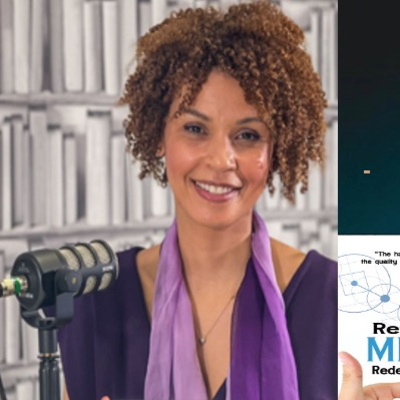
The Mindset of a Mindset Empowerment Coach with Chelle Verite-Shephard
Mindset empowerment coach, author & TEDx speaker Chelle Verite-Shephard on maximising confidence, efficiency & team productivity—real tools for managers who want their people (and themselves) to thrive. Get ready to be BombChelle’d.
In this episode, Paul Corke is joined by Chelle Verite-Shephard—Mindset Empowerment Coach, author and TEDx speaker on a mission to help managers unlock authentic confidence, sharpen execution and elevate team productivity. Chelle’s approach blends practical psychology with day-to-day leadership habits so you can show up as your truest, most effective self at work.
We explore the manager’s mindset: how to turn self-doubt into evidence-backed confidence, replace busyness with focused outcomes, and build teams that think, decide and deliver. Expect clear frameworks you can use immediately with your 1:1s, meetings and priorities.
You’ll hear:
The confidence loop: evidence → identity → action (and how to start it fast)
From busy to effective: outcomes, impact × effort prioritisation, and clean hand-offs
Language that leads: powerful question prompts vs telling & fixing
Psychological safety, boundaries & feedback that accelerate learning
How Chelle’s tools map to Paul’s Mindset Equation (Aspiration, Belief, Drive/Motivation, EQ, Resilience, Learning Agility)
Try this (5-minute BombChelle Boost):
Breathe 4/6 (60s) + choose a cue word (e.g., “clear”).
Outcome line: “By [time], success = ___.”
Impact × Effort: list 3 tasks; do the high-impact, low-effort one now (2–3 mins).
Coach, don’t fix: send one question to a teammate—“What options have you considered, and what’s your first step?”
Evidence log (60s tonight): note 3 micro-wins to stack belief for tomorrow.

The Mindset of a Management Consultant with Martin Saunders
CEO & management consultant Martin Saunders (VA Consultants) on leading under pressure, navigating life with ADHD, and the reframes that helped him survive—and thrive—as a leader, facilitator and coach.
In this episode, Paul Corke is joined by Martin Saunders—Director & CEO at VA Consultants. With deep experience growing people, teams and businesses, Martin is an engaging, influential management consultant, facilitator and coach who excels in fast-paced, high-pressure environments. A father of four, occasional drummer and runner, Martin brings a candid perspective on mindset, focus and energy management—including how he manages life with ADHD and turns challenges into strengths.
We unpack the consultant’s mindset: clarity under pressure, problem framing, client empathy and disciplined follow-through. Martin shares the personal reframes and practical habits that helped him progress from setbacks to successful CEO—and how those tools translate for any leader.
You’ll hear:
How ADHD can be a leadership advantage (pattern spotting, creativity, urgency)—and how Martin mitigates the downsides
Consulting in chaos: frame → focus → first move when everything’s urgent
Energy & attention systems: time-boxing, body doubles, externalised checklists, recovery rituals
Coaching clients through resistance: contracts, consequences, and small certain wins
How this maps to Paul’s Mindset Equation (Aspiration, Belief, Drive/Motivation, EQ, Resilience, Learning Agility)
Try this (Focus Under Pressure — 12 minutes):
Frame (2 min): Write the outcome in one sentence: “Success = ____ by ____.”
Triage (3 min): List 3 levers only (kill, keep, kick off).
Time-box (5 min): Start a 10–15 min sprint on the highest-leverage task—timer on, notifications off.
Close (2 min): Capture 1 learning + the next smallest step (schedule it).
A practical, honest conversation about leading when life is full—using mindset, structure and small brave moves to deliver when it counts.

The Mindset of a Communication Coach with Dr Tonia Phanor
Communication coach Dr. Tonia Phanor on the global mindset—how to think and communicate across cultures with clarity, confidence and respect.
In this episode, Paul Corke is joined by Dr. Tonia Phanor—Communication Coach, keynote speaker, professional development trainer, author and educator. Having lived in Japan, Italy, South Africa and across the USA, Tonia helps teams operate on a global level, bringing rich cultural experience to intercultural business communication. Her warm, practical approach equips leaders to share their stories with confidence, adapt their message for different audiences and build trust across borders.
We dive into the mindset of intercultural communication: curiosity over assumption, listening before telling, and designing messages for different contexts (high-context vs low-context cultures), time zones and norms. Tonia shares concrete frameworks you can use in your next meeting, presentation or cross-border project.
You’ll hear:
The CQ model (Cultural Intelligence) in practice: Drive, Knowledge, Strategy, Action
High-context vs low-context communication—and how to adapt your style
A simple message planner: Audience • Context • Intent • Message • Ask
Storytelling with confidence: structure, relevance and inclusive language
Global meeting hygiene: agendas, time-zone equity, turn-taking and summaries
How this links to Paul’s Mindset Equation (Aspiration, Belief, Drive/Motivation, EQ, Resilience, Learning Agility)
Try this (7-day global comms sprint):
Name check: learn to pronounce one colleague’s name perfectly; confirm preferred form.
ACIMA prep: before your next update, write Audience–Context–Intent–Message–Ask in five lines.
Two-channel clarity: speak briefly, then drop a one-sentence summary in chat/email.
Silence skill: count to 3 after asking a question—invite voices first, opinions second.
Equity move: rotate meeting times or share a written/recorded recap for off-hours teammates.
Story swap: open one meeting with a 60-second customer/user story that anchors purpose.
Friday reflection: one cultural assumption you noticed—and how you’ll test it next week.
A practical, people-first conversation for anyone who works across cultures and wants their message to land—clearly and respectfully—anywhere in the world.
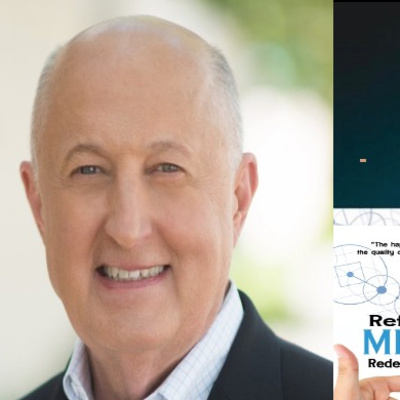
The Mindset to Lead with Questions with Bob Tiede
Leadership mentor Bob Tiede on multiplying your impact by shifting from “Let me tell you” to “Let me ask you.”Practical question frameworks, listening skills and meeting habits that turn managers into coaches.
In this episode, Paul Corke is joined by Bob Tiede, who has served with Cru (formerly Campus Crusade for Christ) for 52 years—8 years with Cru Campus, 24 years as CEO of the Josh McDowell Ministry (a division of Cru), and now 20 years on Cru’s U.S. Leadership Development Team, developing the next generation of leaders. Bob runs LeadingWithQuestions.com (now in its 11th year, followed by leaders in 200+ countries) and is the author of 6 books, including Great Leaders Ask Questions – A Fortune 100 List, Now That’s a Great Question, and the 3rd Edition of Leading With Questions—an Amazon #1 Best Seller in Business Communication. His mission: help leaders 10× their effectiveness by moving from telling to asking.
We unpack the mindset of a question-led leader—curiosity over certainty, coaching over directing, listening over lecturing—and how this shift creates psychological safety, sharper thinking and faster learning across teams.
You’ll hear:
Why questions beat statements for clarity, ownership and speed of learning
The essentials of leader listening (silence, summarise, seek more)
Go-to question types: opening, probing, clarifying, option-generating, commitment
Turning meetings into thinking sessions (from updates to insight & decisions)
Try this (5 question swaps for your next 1:1):
From “Here’s what we’ll do.” → “What outcomes matter most—and why?”
From “Any blockers?” → “What feels fuzzy or risky right now?”
From “Do you agree?” → “What might I be missing?”
From “That won’t work.” → “If it could work, what would have to be true?”
From “Keep me posted.” → “What’s your first step, by when, and how will we know?”
A practical masterclass in question-led leadership—so you can coach more, control less, and unlock better thinking in every conversation.
The Mindset of a Leadership Influencer with Stuart Waddington
Leadership influencer Stuart Waddington—entrepreneur, former RAF leader, Cheshire Chair (IoD) and host of The Leadership Lounge—on the mindset that turns service, discipline and curiosity into modern leadership impact.
In this episode, Paul Corke is joined by Stuart Waddington—an exceptional leader whose journey spans education, the Royal Air Force, entrepreneurship, and now Cheshire Chair of the Institute of Directors (IoD). As a thought leader and host of The Leadership Lounge Podcast, Stuart champions the idea that success begins in the mind—and that clear standards, service and continuous learning translate into better teams, cultures and results.
We dig into the mindset of a leadership influencer: purpose-led clarity, disciplined execution, and communication that builds trust. Stuart shares lessons from the RAF, education and business—how to set non-negotiables, coach with accountability, and shape communities of practice through platforms like his podcast and the IoD.
You’ll hear:
From service to influence: RAF lessons—standards, calm under pressure, after-action learning
A simple leadership OS: purpose → principles → preparation → performance → review
Energy & time disciplines: weekly preview, focus blocks, boundary cues
Communicate to lead: brief, execute, debrief; storytelling that drives action
Building community & governance: podcasting, peer networks and the IoD
Try this (7-day Leadership Lounge sprint):
Purpose line: “This week I lead to achieve ____ so that ____.”
3 non-negotiables: behaviours you’ll model daily (e.g., clarity, candour, curiosity).
Focus cadence: two 90-min blocks + one 15-min debrief per day.
AAR ritual (5 mins): What was expected? What happened? Why? What repeat? What change?
One brave convo: schedule it; open with the shared goal + one clear request.
Peer pulse: ask one leader, “What’s one thing I can do to make your work easier this week?”
Friday scorecard: evidence you lived each non-negotiable (yes/no) + one tweak for next week.
A practical conversation on choosing your mindset every day—and using it to lead with clarity, service and influence.
Reframe Your Mindset for Success Series 2
Welcome to Series 2 of Reframe Your Mindset for Success. I share what’s new, what I’m learning right now, and I answer the same mindset questions I ask my guests—plus how to get the most from the season ahead.
In this short opener, Paul Corke sets the stage for Series 2—what’s changing, what’s staying, and how to use the show to upgrade how you think, feel and perform. Paul answers the guest questions himself to give you an inside look at his current mindset: routines that work, where he’s stretching, and how he applies the Mindset Equation (Aspiration, Belief, Drive/Motivation, EQ, Resilience, Learning Agility) day-to-day.
You’ll also get a preview of the new guest lineup—leaders, coaches, athletes, creators and wellbeing experts—each bringing practical tools to help you reframe your mindset for success.
You’ll hear:
Paul’s current mindset check-in: what’s working, what he’s refining, and why
The Mindset Equation refresh for Series 2 and how to apply it episode-by-episode
How to squeeze more value from each conversation (listen → note → action → review)
A preview of themes ahead: resilience, leadership, communication, stress, habits & authentic living
How Paul supports teams and leaders through coaching, facilitation and speaking
Try this (Series 2 – 7-day starter):
Day 1 – Aspiration: Write one sentence: “This season I’m moving toward ___ so that ___.”
Day 2 – Belief: Start a 2-minute evidence log (3 micro-wins each evening).
Day 3 – Drive: Pick one because-plan: “If it’s [trigger], I’ll [action], because [reason].”
Day 4 – EQ: 60-second reset before meetings: in 4 / out 6, relax jaw/shoulders, choose a cue word.
Day 5 – Resilience: Schedule one recovery block (walk, breathwork, stretch or nap).
Day 6 – Learning Agility: Do a 5-question retro: What worked? What didn’t? Why? What next? By when?
Day 7 – Integrate: Share one insight with a colleague or friend (teach to lock it in).
Explore Paul’s coaching, facilitation and speaking: www.paulcorkeinternational.co.uk
Follow the show for new episodes that turn mindset into measurable performance.
The Mindset to Organise Your Life with Chantel Aquart
Life coach Chantel Aquart on organising your life, space and business—so your mind, time and environment work in sync. Practical systems + resilient mindset to create the life you want.
In this episode, Paul Corke is joined by Chantel Aquart—life coach and organisation expert who helps people design systems that make life work. Chantel believes that when your space is organised, your mind and time align—freeing energy for what matters. She also shares how she reframed her mindset through difficult experiences, offering grounded tools for order, clarity and calm.
We explore the intersection of mindset, productivity and environment: how to declutter without drama, plan weeks that actually happen, and build routines that survive real life. Chantel’s story is one of inner resilience—a reminder that you can take control, whatever the circumstances, and shape a life that fits.
You’ll hear:
The organised life triangle: space • mind • time (and how they reinforce each other)
Declutter made doable: tiny zones, clear rules, and “keep the why, not the weight”
Time systems that stick: time-blocking, theme days, buffer time & weekly resets
Habit stacking for busy seasons: anchors, checklists and friction management
How this links to Paul’s Mindset Equation (Aspiration, Belief, Drive/Motivation, EQ, Resilience, Learning Agility)
Try this (7-day Organise & Align sprint):
One shelf rule (10 min/day): choose a micro-zone; apply 3 boxes—Keep/Relocate/Release.
Daily plan in 3 lines: Top 1 outcome • Must-dos (max 3) • Nice-to-dos (optional).
Time-block basics: protect one 90-min focus block + one 30-min admin block each day.
Evening reset (5 min): clear desk, set clothes, write tomorrow’s Top 1.
Weekly review (20 min): wins, stuck points, one tweak for next week.
A practical, encouraging conversation if you want less chaos, more clarity—and a mindset that keeps your systems working when life gets loud.
The Mindset to Living an Authentic Life with Matt Hogan
Coach and consciousness explorer Matt Hogan on authentic living—inner work, alignment and practical practices (breathwork, reflection, presence) to design a life that actually fits.
In this episode, Paul Corke is joined by Matt Hogan—coach, facilitator and “consciousness explorer” who supports leaders, entrepreneurs and executives in socially minded organisations. Matt’s many roles—grandson, partner, friend, coach, breath-work facilitator, trainer, writer, dancer, meditator, hiker and lover of nature—reflect his core quest: self-mastery through authentic living.
We talk about the mindset behind authenticity: doing the inner work, aligning values with behaviour, and widening awareness so your decisions, relationships and leadership feel congruent. Matt shares gentle, practical tools—from breathwork and somatic check-ins to reflective questions—that create more connection, clarity and fulfilment. Paul also shares his own reflections as the conversation opens up big questions about life and mindset.
You’ll hear:
What “authentic life” really means (and what it’s not)
Inner work frameworks: values → boundaries → behaviours
Everyday practices for presence (breathwork, somatic check-ins, nature time)
How to navigate transitions: uncertainty, identity shifts and “tiny brave moves”
Bringing authenticity to leadership: impact, relationships and wellbeing
How it maps to Paul’s Mindset Equation (Aspiration, Belief, Drive/Motivation, EQ, Resilience, Learning Agility)
Try this (10-minute authenticity check):
Breathe (2 min): in 4 / out 6 through the nose; soften jaw/shoulders.
Body scan (2 min): notice where your body says “yes/no/unsure.”
Values cue (3 min): finish this line—“Today, I’m committed to living my value of ______ by ______.”
One tiny brave step (3 min): schedule or do the first congruent action now.
A grounded, spacious conversation for anyone who wants to live—and lead—with more truth, ease and impact.
The Mindset of a Mindfulness Coach with Luke Iorio
Mindfulness coach & On This Walk host Luke Iorio on alignment, purpose and presence—practical ways to slow the noise, reconnect with yourself and live from center.
In this episode, Paul Corke is joined by Luke Iorio—mindfulness coach, entrepreneur, blogger and host of the top podcast On This Walk. Luke has walked alongside thousands of clients and listeners exploring meaning, balance and wholeness. Formerly President & CEO of iPEC (Institute for Professional Excellence in Coaching)—now a partner and board member—Luke had a rare “laboratory of transformation,” working with leaders and organisations unwilling to settle for life and business as usual.
Luke shares how his own path shifted from “mind over matter and achievement at all costs” to reconnection, self-compassion and authentic alignment—and the simple, embodied practices that make that shift real in everyday life.
You’ll hear:
What mindfulness is (and isn’t): presence over performance hacks
How to move from hustle → alignment (values, energy, choices)
Gentle tools: breathwork, somatic check-ins, journaling and walking presence
Navigating the big topics—grief, acceptance, forgiveness—with compassion
Boundaries, pacing and redefining “enough” so success actually feels good
How this links to Paul’s Mindset Equation (Aspiration, Belief, Drive/Motivation, EQ, Resilience, Learning Agility)
Try this (On-This-Walk 3-2-1 reset | 3 minutes):
3 breaths: in for 4, out for 6—notice the exhale soften the body.
2 feet: feel the ground through both feet; relax jaw, drop shoulders.
1 intention: “For the next hour, I will bring ___ (e.g., curiosity/kindness/clarity).”
Optional: on a short walk, name 5–4–3–2–1 things you can see, feel, hear, smell, taste to anchor attention.
A spacious, practical conversation about living—and leading—from your true center.
The Mindset of a Stress Relief and Mindset Expert with Janine Mitchell
Short preview (feed):
Stress-relief and mindset expert Janine Mitchell (Founder, Change for Success) on beating burnout, regulating your nervous system, and practical tools like EFT/Tapping, NLP and hypnotherapy to build resilience and mental agility.
Full description:
In this episode, Paul Corke talks with Janine Mitchell—Founder of Change for Success, an international wellness consultancy. With a Master’s in Clinical Psychology, published research and 20 years in mental health, Janine teaches individuals and organisations how to improve wellbeing, mindset and performance. She’s a fully trained clinical hypnotherapist, NLP practitioner and EFT/Tapping practitioner.
Before launching her business, Janine worked in one of the most stressful roles imaginable and hit burnout. Learning evidence-informed techniques—especially EFT/Tapping—helped her reset her mindset, recover and build tools she now shares worldwide. For the past nine years she’s helped hundreds of clients and organisations eradicate stress, strengthen resilience, and master mental agility.
You’ll hear:
Burnout: early signs & signals, and what to do before the cliff edge
How to down-shift your nervous system (breath, tapping, grounding) in 2–3 minutes
Practical EFT/Tapping basics and where it can help with stress & anxiety
NLP reframes and self-hypnosis cues to change state and story
Workplace strategies: psychological safety, boundaries, micro-breaks, and meeting hygiene
How Janine’s approach connects to Paul’s Mindset Equation (Aspiration, Belief, Drive/Motivation, EQ, Resilience, Learning Agility)
Try this (5-minute Calm & Reset):
Breathe (60s): Inhale 4, exhale 6 through the nose; relax jaw & shoulders.
Tap (2 min): Lightly tap through standard EFT points while saying a balanced setup, e.g., “Even though I feel under pressure, I’m safe and I can take this one step at a time.”
Reframe (60s): State → “I notice stress.” Story → “This is pressure, not danger.” Strategy → “First small action is ____.”
Close (60s): One because-plan: “If it’s [trigger], I’ll [action], because it moves me toward [goal].”
Educational content only—not medical advice. If you have a mental health condition or are in crisis, please seek qualified professional support.
A practical conversation packed with tools to reduce stress, boost resilience and keep your mindset steady under pressure.
The Mindset of an Author & Publisher with Rany Athwall
Author Rany Athwall (Life’s Biggest Con) and publisher of Expert Profile Magazine on taking charge of your mind—awareness, yin–yang thinking and a mindset of flow.
In this episode, Paul Corke talks with Rany Athwall—writer and best-selling author of Life’s Biggest Con, who moved from a successful sales & marketing career into writing and publishing. Rany is also the publisher & editor of Expert Profile Magazine (EPM), an international publication featuring personalities from sport, television, film, media and music, alongside global experts in wellbeing, business, health, fitness and lifestyle. Partnering with these voices gives Rany a front-row seat to the mindsets that drive performance and fulfilment.
Rany shares a distinctive take on mindset: a yin–yang perspective that blends logic with intuition, ambition with acceptance, and control with flow. We dig into how to take control of your mind, increase awareness, and develop a practical “flow” approach you can use to navigate work and life with more ease.
You’ll hear:
Key ideas from Life’s Biggest Con—seeing through unhelpful narratives and reclaiming agency
What publishing Expert Profile Magazine reveals about elite mindsets across industries
The yin–yang model: balancing drive and stillness, structure and spontaneity
How to build awareness → choice → action loops for better decisions
Links to Paul’s Mindset Equation (Aspiration, Belief, Drive/Motivation, EQ, Resilience, Learning Agility)
Try this (7-day awareness → flow drill):
Name the pull: each morning, write one intention (what matters most today?).
Breath + label (60s): when tension spikes, 4s in / 6s out; label the state (“pressure,” “doubt”).
Flip to flow: ask, “What’s the simplest next useful step?” Do that one step.
Evening note: one narrative you questioned today + one small win you created.
A thoughtful, practical conversation for anyone ready to reframe their mindset and move through life with more clarity and flow.
Subscribe for more: https://anchor.fm/paul-corke/subscribe
The Mindset of a Lifelong Learner with Professor M.S. Rao
International leadership guru Professor M.S. Rao, Ph.D.—the “Father of Soft Leadership”—on lifelong learning, service-led leadership and reframing after a life-changing setback.
In this episode, Paul Corke is joined by Professor M.S. Rao, Ph.D.—the Father of “Soft Leadership”, Founder of MSR, international leadership guru and global keynote speaker. With 40+ years’ experience spanning the military, teaching, research, consultancy and philosophy, Professor Rao has authored 50+ books (including award-winning titles), advises C-suite leaders, and contributes regularly to Entrepreneur Magazine. His vision: to build one million students as global leaders by 2030 through leadership education and publications.
Professor Rao shares a recent life-changing experience and how he reframed his mindset to recover—offering practical lessons on resilience, purpose and the discipline of continual learning. We explore Soft Leadership—influence rooted in character, compassion and collaboration—and how to stay curious and useful across a lifetime.
You’ll hear:
What Soft Leadership is—and how to practise it daily (character → credibility → influence)
The lifelong learner’s mindset: curiosity, humility, reflection and service
Reframing after adversity: meaning, micro-habits and support systems
Simple routines for reading, note-making and application (learn → do → teach)
How this maps to Paul’s Mindset Equation (Aspiration, Belief, Drive/Motivation, EQ, Resilience, Learning Agility)
Try this (14-day learning loop):
Define a theme (one sentence).
15 minutes/day: read or watch on that theme; capture 3 bullet insights.
Apply one micro-action the same day.
Teach one idea to a colleague/student/friend each week.
Reflect Day 14: what changed, and what’s the next theme?
Subscribe for more mindset tools and conversations: https://anchor.fm/paul-corke/subscribe
The Mindset of a Leadership Expert with Ron Carucci
Leadership expert Ron Carucci (HBR/Forbes contributor; 2× TED speaker; author of Rising to Power and To Be Honest) on building cultures of truth, justice and purpose—and the mindsets leaders need now.
In this episode, Paul Corke is joined by Ron Carucci, a leadership advisor with a 30-year track record helping organisations craft strategy, execute at pace and build healthier cultures. Ron is a two-time TED speaker and best-selling author of eight books, including the Amazon #1 Rising to Power and To Be Honest: Lead with the Power of Truth, Justice and Purpose. A regular contributor to Harvard Business Review and Forbes, Ron is part of the Marshall Goldsmith MG100 community, and his work has been featured in Fortune, CEO Magazine, Inc., Business Insider, MSNBC, BusinessWeek and Smart Business.
We unpack the mindset of a leader in uncertain times: how to turn values into behaviours, close the “say–do” gap, and create accountability without fear. Ron shares research-backed practices for honesty, fairness and purpose that actually scale.
You’ll hear:
The four conditions that predict organisational honesty (and how to build them)
From values to non-negotiable behaviours and decision standards
Power used well: influence without title, political savvy without games
Strategy → execution: clarity, cadence and consequences that help teams deliver
How Ron’s ideas map to Paul’s Mindset Equation (Aspiration, Belief, Drive/Motivation, EQ, Resilience, Learning Agility)
Try this (Leadership integrity audit — 10 minutes):
Pick one stated value. Write one behaviour that proves it this week.
Identify the say–do risk (where it could slip). Add a guardrail (peer check, metric, ritual).
Close your next meeting with: “What will we each do by when—and how will we know?” Capture it in writing.
Subscribe for more conversations that turn mindset into measurable performance: https://anchor.fm/paul-corke/subscribe
The Mindset of a Leadership Communication and Storytelling Expert with Richard Newman
Award-winning communication expert Richard Newman on the science of leadership storytelling—how to speak with clarity, credibility and impact under pressure.
In this episode, Paul Corke is joined by Richard Newman—award-winning expert in leadership communication and storytelling. Richard began his research in 1995 while living and teaching English at a Tibetan monastery in India, then trained as a professional actor in London before founding Body Talk in 2000. Since working with the McLaren Formula 1 Team in the early days, Richard and the Body Talk team have trained 100,000+ people across 46 countries, helping leaders communicate with confidence and impact.
We explore the mindset of a communicator: how to craft stories that move audiences, use body language that builds trust, and structure messages so people understand—and act. Richard shares practical tools backed by behavioural science that you can use in your next meeting, pitch or keynote.
You’ll hear:
The story structure that wins attention and action (context → conflict → change → call-to-action)
How to project credibility & warmth with voice, posture and presence
Turning data into narratives people remember (and repeat)
Message design for busy minds: headlines, signposts, summaries
Reframing nerves into fuel—and rehearsing like a pro (feedback loops and micro-wins)
How this links to Paul’s Mindset Equation (Aspiration, Belief, Drive/Motivation, EQ, Resilience, Learning Agility)
Try this (5-minute speak-up sprint):
Headline first: one sentence that states your point.
3 beats: problem → insight → action (one line each).
Presence reset (60s): stand tall, breathe longer on the exhale, slower pace.
Close strong: one clear call-to-action + timeframe.
If you want your ideas to land—and lead—this conversation will level up how you tell your story.
The Mindset of a Book Publisher with Brenda Dempsey
Innovative publisher Brenda Dempsey on building authorpreneurs—turning a book into personal brand, authority, PR and business growth—plus the mindset and resilience behind her story.
In this episode, Paul Corke is joined by Brenda Dempsey—an innovative, holistic book publisher who helps authors become authorpreneurs (Author–Speaker–Entrepreneur). Brenda’s approach goes far beyond editing and print: she focuses on personal brand, marketing & PR, and business development so a book becomes a platform for authority and global growth. As a publisher, award-winning master coach and international best-selling author, she helps clients raise their profile, be seen as the go-to voice in their niche, and attract new opportunities worldwide.
Brenda also shares her powerful story of adversity, the mindset shifts that fuelled her journey, and what it really takes to go from “ordinary to extraordinary” as an author and business owner.
You’ll hear:
What a holistic publisher does: positioning, platform, PR and pipeline
How to turn a book into authority, speaking and client growth (not just sales)
The authorpreneur roadmap: message → manuscript → media → monetisation
Practical branding & launch tactics that travel on a global stage
Mindset & resilience lessons from Brenda’s story—and how they map to Paul’s Mindset Equation (Aspiration, Belief, Drive/Motivation, EQ, Resilience, Learning Agility)
Try this (Authorpreneur kick-off – 30 minutes):
Angle: write a one-line promise for your reader (problem → outcome).
Assets: list 3 signature stories and 3 proof points (data/case studies).
Audience: name your top 3 ideal reader/buyer profiles.
Amplify: choose one earned (PR pitch), one owned (newsletter/post), and one spoken (podcast/webinar) channel for launch.
Action: block one 45-minute writing slot and send one outreach today.
A practical conversation for aspiring authors, speakers and founders who want their book to build brand, impact and business.
As a fresh innovative Publisher, Award-winning Master Coach, International Best Selling Author, her aim is to improve her authors Life, Performance, Business, and Success from Ordinary to Extraordinary through publishing a best selling book that will skyrock the author's vision attracting new clients around the world.
It is really interesting to hear Brenda's story of adversity in life and her insights into mindset.
The Mindset of a Leadership Explorer with Don Schmincke
Best-selling author and leadership researcher Don Schmincke on the science behind elite leadership—genetics, evolution & anthropology applied to strategy, culture and growth.
In this episode, Paul Corke is joined by Don Schmincke—leadership explorer, best-selling author of The Code of the Executive and High Altitude Leadership (with NBC Emmy-nominated climber Chris Warner), and a Top-10 speaker for the world’s largest CEO organisation. For 35+ years, Don has consulted and trained executives across North & South America, Europe and India, conducted leadership research excursions in South Africa, Japan, Bhutan, Vietnam, South Korea and North Africa, and now trains 700+ CEOs annually. His work applies genetics, evolution and anthropology to strategic growth—an evidence-led alternative to flavor-of-the-month programs—featured by CNN, The Wall Street Journal, USA Today, MSNBC.com and more.
We dig into the mindset of a leadership explorer: why some teams thrive under pressure while others stall, how to hard-wire courage and accountability, and how ancient human drives shape modern strategy, culture and change. Don shares field-tested protocols validated across 7,000+ CEOs and industries from healthcare and manufacturing to tech, finance and non-profits.
You’ll hear:
The evolutionary drivers of leadership (status, belonging, survival) and how to channel them productively
Why clarity + consequence beats slogans: turning values into observable behaviours
High-altitude leadership lessons: decision-making, risk and trust under extreme conditions
Culture as a performance system: narrative, rituals, selection and feedback loops
Practical tools that map to Paul’s Mindset Equation (Aspiration, Belief, Drive/Motivation, EQ, Resilience, Learning Agility)
Try this (Leadership Field Test – 15 minutes):
Name the hard truth your team avoids (one sentence).
Define one non-negotiable behaviour that proves your value under pressure.
Set a scoreable consequence (e.g., weekly evidence check: done/not done).
After-action review (5 questions): What was expected? What happened? Why? What will we repeat? What will we change by next time?
One not to be missed if you care about leadership that works—in the lab, in the field and under real-world pressure.
The Mindset of Hybrid Working with Gary Cookson
Hybrid-working expert Gary Cookson on the mindsets, habits and leadership behaviours that make flexible work actually work—for people, performance and culture.
In this episode, Paul Corke talks with Gary Cookson—hybrid working, leadership and HR expert; author of HR for Hybrid Working (Kogan Page); keynote speaker; and designer of high-impact virtual learning. A father of four and long-time HR/OD/L&D leader across sectors, Gary helps individuals, teams and organisations get better at what matters—by pairing smart policy with human-centred practice.
We dig into the mindset of hybrid work: trust over surveillance, outcomes over optics, and clarity over chaos. Gary shares practical playbooks for leaders and HR—communication cadences, meetings that respect time zones and energy, inclusion for remote voices, and ways to develop people when some are in-room and others aren’t.
You’ll hear:
The mindset shifts behind effective hybrid: trust, autonomy, clarity, inclusion
How to design communication & collaboration rhythms that reduce overload
Meetings that work: agendas, roles, async-first, and remote-first facilitation
Performance in hybrid: outcomes, coaching, feedback and psychological safety
Learning & development online: engaging virtual training that sticks
How this links to Paul’s Mindset Equation (Aspiration, Belief, Drive/Motivation, EQ, Resilience, Learning Agility)
Try this (Hybrid Reset in 7 days):
Team charter: agree 5 norms (response times, core hours, channels, meetings, availability).
Async-first: move one recurring meeting to a shared doc/loom + clear deadline.
Inclusion pass: nominate a “remote advocate” in each meeting to bring in voices.
Focus blocks: two 90-minute protected windows/week per person.
Weekly retro (15 min): what helped, what hindered, one tweak for next week.
A practical, people-first guide to hybrid working that boosts performance without burning people out.
The Mindset of a Soldier and Business Leader with Floyd Woodrow
Former SAS leader Floyd Woodrow DCM MBE on mindset, Compass for Life and the power of a Super North Star—turning elite military lessons into practical leadership for business and life.
In this episode, Paul Corke sits down with Floyd Woodrow DCM MBE—one of the youngest soldiers ever selected for the SAS, now Chairman of Quantum Group, CEO of Super North Star and the Compass for Life Foundation, and founder of Chrysalis Worldwide, a values-based leadership organisation. Floyd is a renowned international speaker and performance coach with a track record designing elite leadership programmes across sport, business, government, police, non-profits and schools. He’s the author of Learning to Learn and The Warrior, The Strategist and You, where he introduces the Compass for Life model.
Floyd shares his story—from special forces to boardrooms—and unpacks the mindset behind clarity under pressure, disciplined execution and values-led decision-making. We explore how to define your Super North Star, use a compass to balance life’s domains, and build teams that perform when it matters.
You’ll hear:
The Compass for Life framework: Super North Star, Ethos/Values, Strategist, Warrior, Scholar
How elite military principles translate into business leadership and culture
Clarity → action: turning intent into non-negotiable behaviours and standards
Training decision-making under pressure: rehearsal, reflection and feedback loops
How Floyd’s approach connects to Paul’s Mindset Equation (Aspiration, Belief, Drive/Motivation, EQ, Resilience, Learning Agility)
Try this (10-minute Compass reset):
Name your Super North Star (one sentence: outcome + why).
Plot your compass: Warrior (action), Strategist (plan), Scholar (learning), Ethos (values).
Write one behaviour per quadrant you’ll do this week.
Set a Friday review: evidence you lived each behaviour (yes/no).
A powerful conversation on leading yourself and others—with clarity, courage and balance.
The Mindset of a Creator with Scott Leiper
Creator Scott Leiper (Imaginocity & The Learning Lab) on turning complex ideas into memorable, human-centred learning—creativity, simplicity and experiences that drive real behaviour change.
In this episode, Paul Corke talks with Scott Leiper—Creator at Imaginocity and The Learning Lab—who specialises in making the complex memorable, simple and effective. Scott designs and hosts immersive learning experiences and products, blending creativity with a human-centred approach so ideas stick and performance improves.
We tap into the mindset of a creator: curiosity, experimentation, visual thinking and disciplined iteration. Scott shares how to design learning that people actually use at work—moving beyond “content dumps” to experiences, stories and tools that change what people do tomorrow.
You’ll hear:
The creator’s mindset: curiosity, constraints, rapid prototyping & iteration
How to make learning stick: stories, visuals, spacing, retrieval & application
Turning complexity into clear frameworks your team can remember and use
Designing human-centred learning: needs, moments, environment & emotion
Measuring what matters: behaviour change over attendance or “happy sheets”
How this links to Paul’s Mindset Equation (Aspiration, Belief, Drive/Motivation, EQ, Resilience, Learning Agility)
Try this (60-minute “Make it Stick” sprint):
Define the one job your session must do (finish the line: “After this, people will…”).
Chunk to three: turn the topic into 3 named pillars (short, memorable labels).
Add a story + sketch for each pillar (metaphor or simple diagram).
Design a do-it-now task (5–10 minutes) that applies a pillar to a real problem.
Plan follow-ups: two spaced nudges (Day 2 and Day 7) with a 60-second retrieval question.
A practical conversation for L&D leaders, facilitators, managers and anyone who wants learning—and change—to actually land.
The Mindset of an Impact Driven Leader with Steve Pipe
Award-winning entrepreneur and author Steve Pipe on turning business into a force for good—practical ways to align profit with purpose and create measurable impact.
Full description:
In this episode, Paul Corke talks with Steve Pipe—strategist, best-selling author and keynote speaker. After 20 years researching how accountants and their clients build better businesses, better lives and a better world, Steve was recognised as UK Entrepreneur of the Year and “The World’s Most Highly Rated Accountant”. In 2018 he chose to step back and give everything away—sharing his tools and insights so any business, of any size or sector, can make a positive difference while growing sustainably.
We unpack the mindset of an impact-driven leader: why purpose isn’t PR, how to hard-wire impact into strategy and day-to-day operations, and simple ways SMEs can start now—without big budgets or complex frameworks.
You’ll hear:
The shift from success to significance—and the mindset behind it
Practical routes to profit + purpose (customers, culture, community)
How to choose meaningful metrics (inputs → outcomes → impact)
Low-cost plays for small businesses to start creating change today
How Steve’s approach maps to Paul’s Mindset Equation (Aspiration, Belief, Drive/Motivation, EQ, Resilience, Learning Agility)
Try this (7-day “Impact Sprint”):
Choose one cause aligned with your customers or community.
Define a trigger: when X happens, we do Y (e.g., per sale → micro-donation / per project → volunteer hour).
Measure one thing you can control this week (e.g., # actions, £ given, hours served).
Tell one story—who benefited and how.
Review Friday: keep, tweak, or scale.
A practical conversation on building a business that’s good for people, planet and performance—at any size.
The Mindset of an International Speaker with Professor Damian Hughes
Professor Damian Hughes—international speaker, best-selling author and co-host of The High Performance Podcast—on mindset, culture and the psychology behind sustained high performance.
In this episode, Paul Corke is joined by Professor Damian Hughes, an international speaker and best-selling author who blends practical experience with academic expertise in organisational psychology, sport and change. Damian has written eight best-selling business books (translated into ten languages); authored acclaimed sports biographies (including Sugar Ray Robinson, Thomas Hearns, Marvin Hagler); and serves as Professor of Organisational Psychology and Change at Manchester Metropolitan University. He co-hosts the acclaimed High Performance Podcast, interviewing elite performers from business, sport and the arts. Damian has worked with national and international teams—including England Rugby League and Scotland Rugby Union—and his approach to performance and culture has been praised by leaders such as Sir Richard Branson, Sir Alex Ferguson and Sir Terry Leahy.
We talk about mindset, culture and high performance: the behaviours that build winning environments, how to make values practical (not posters), and the habits that keep performance high under pressure.
You’ll hear:
The psychology of sustained high performance (clarity, consistency, accountability)
How to translate values into non-negotiable behaviours people can actually do
Building a high-performance culture: selection, standards, story and feedback
Lessons from elite sport that transfer to business and leadership
How Damian’s ideas connect to Paul’s Mindset Equation (Aspiration, Belief, Drive/Motivation, EQ, Resilience, Learning Agility)
Try this (team culture, 10 minutes):
Define 3 non-negotiables (behaviours, not slogans).
For each: write Do More / Do Less / Start—one line only.
Agree a scorecard you’ll review weekly (evidence, not opinions).
Close with one micro-commitment per person for the next 7 days.
A masterclass in turning mindset and culture into measurable performance.
The Mindset of a Thought Leader with Trevor Merriden
Thought leader Trevor Merriden on choosing your mindset daily, creating standout content and communities, and turning ideas into influence and impact.
In this episode, Paul Corke is joined by Trevor Merriden—thought leader, speaker, journalist and entrepreneur. Trevor is the Founder & MD of Merriborn Consulting, a firm that helps organisations create high-quality contentand build vibrant, engaged networks so ideas convert into leads and impact.
Before Merriborn, Trevor spent 25 years in journalism (Deputy Editor, Management Today; Editor and then Editor-in-Chief, Human Resources magazine), authored three business books, and appeared on BBC, Sky and CNN. He’s chaired conferences, hosted “The Business” on Radio Verulam, and—many moons ago—served as a senior economist at the Bank of England.
We talk about Trevor’s story, his daily mindset practice, and practical strategies for thought leadership—from message clarity and editorial discipline to community building and measurable outcomes.
You’ll hear:
Why mindset is a daily choice—and how Trevor keeps his sharp
The pillars of effective thought leadership: clarity, cadence, credibility, community
Turning content into commercial outcomes (from ideas → engagement → leads)
Lessons from journalism: editorial standards, angles, headlines, consistency
How this links to Paul’s Mindset Equation (Aspiration, Belief, Drive/Motivation, EQ, Resilience, Learning Agility)
Try this (one-week thought-leadership sprint):
Define your angle: one sentence on who you help, with what, and why now.
Create a cadence: 3 posts, 1 long-form piece, 1 conversation (webinar/comment/interview).
Engage a micro-community: 10 meaningful comments/day; ask one question that invites stories.
Measure one metric: conversations → meetings (not just impressions).
Reflect Friday: what resonated? tighten the angle by one line.
Enjoy the episode!
The Mindset of a Footballer with Neil Mellor
Ex-Liverpool striker Neil Mellor on reframing after injury: lessons from elite football, handling pressure, and building a second career as a Sky Sports pundit and keynote speaker.
In this episode, Paul Corke talks with former professional footballer Neil Mellor. From 2002–2012, Neil represented Liverpool, West Ham, Wigan, Preston North End and Sheffield Wednesday. At just 29, a recurring knee injury ended his playing career—forcing a major mindset shift. Neil shares how he navigated identity loss, rebuilt confidence and created a successful second act as a Sky Sports pundit and keynote speaker.
We dig into the mindset of a footballer: dealing with pressure and scrutiny, bouncing back from setbacks, preparing to perform, and transferring high-performance habits into life after sport. Neil also offers practical tips anyone can use to reframe mindset, reset quickly, and stay focused on what you can control.
You’ll hear:
Elite football lessons: preparation, focus on controllables, team mindset
Coping with injury, uncertainty and identity shift—what helped most
Pre-match → workday: routines to handle pressure & nerves
Building a second career: visibility, relationships and continuous learning
How this connects to Paul’s Mindset Equation (Aspiration, Belief, Drive/Motivation, EQ, Resilience, Learning Agility)
Try this (post-setback reset):
Name the controllables (effort, attitude, first action).
Do 60 seconds of longer-exhale breathing (4s in / 6s out).
Take the first small, certain step—then review one win at day’s end.
Enjoy the episode—and keep smiling 🙂
The Mindset of a Table Tennis Player with Trevor Manning
Ex-international table tennis player Trevor Manning on focus, discipline and translating elite sport mindset into healthcare, work and everyday life.
In this episode, Paul Corke is joined by Trevor Manning—ex-international Table Tennis player for Barbados, Caribbean Junior Champion, and competitor across the Caribbean, UK and Europe. After sport, Trevor built a second career as a qualified Nurse and Occupational Health Advisor, bringing high-performance habits into clinical and corporate settings.
Trevor shares his journey and the mental skills that matter at the table—and beyond: focus under pressure, rapid reset after mistakes, routines that build confidence, and how to carry a competitor’s mindset into wellbeing and work.
You’ll hear:
The athlete mindset behind precision sports: focus, footwork, micro-decisions
How to reset after errors: breathe, reframe, first positive action
Translating ring-side routines to healthcare & workplaces (energy, recovery, boundaries)
Lessons from competing across cultures and stages—staying adaptable and grounded
How this connects to Paul’s Mindset Equation (Aspiration, Belief, Drive/Motivation, EQ, Resilience, Learning Agility)
Try this (90-second reset):
Exhale longer than you inhale (4s in / 6s out, x6 breaths).
Cue word (e.g., “sharp” or “calm”) + visualise the first correct action.
Execute that first action immediately.
#TableTennis #AthleteMindset #Focus #Resilience #HighPerformance #WellbeingAtWork #OccupationalHealth #Mindset #ReframeYourMindset #Podcast
The Mindset of a Business Coach with Sarah Cooper
Business mentor & coach Sarah Cooper on the mindset behind dreaming bigger, taking action, and building a life and business you’re genuinely excited to wake up to.
In this episode, Paul Corke is joined by Sarah Cooper—successful businesswoman, entrepreneur, business mentor & coach. Sarah’s mission is simple and powerful: to inspire you to dream big and remember that anything is possible in this one precious life.
We dig into the mindset of a business coach: how belief, habits and daily disciplines shape long-term success, and why your morning routine and self-talk matter more than you think. Sarah shares how discovering The Miracle Morningframework influenced her own practices, plus stories from her TV filming adventures that highlight courage, visibility and backing yourself even when it feels uncomfortable.
You’ll hear:
How a coach’s mindset helps you see possibilities (not just problems)
Why morning routines & intentional habits shape confidence and results
Stories from Sarah’s media & TV career that show what it means to “lean in”
Practical tips to start dreaming bigger—and actually follow through
How her approach aligns with Paul’s Mindset Equation (Aspiration, Belief, Drive/Motivation, EQ, Resilience, Learning Agility)
Perfect if you’re an entrepreneur, leader or creative who’s ready to step up, get visible and build a business—and life—that matches your potential.
The Mindset of a Mental Health Expert with Sean Liddell
Mental health expert Sean Liddell (Mindful Training Ltd; MHFA & Suicide First Aid trainer) on spotting stress early, building psychological safety—and the personal story behind his mission.
In this episode, Paul Corke talks with Sean Liddell, a mental health specialist who, after an extensive corporate career, founded Mindful Training Ltd. Sean is an MHFA (Mental Health First Aid) trainer, Suicide First Aid trainer, and an expert in mindfulness, resilience and wellbeing. He shares the personal story that led him to this work and offers practical, evidence-informed tools to protect mental health and reframe mindset—at work and at home.
We explore the difference between mental health and mental strength, early warning signs of stress & burnout, and how leaders can create psychological safety so people can speak up, recover and perform. Sean’s insights map directly to Paul’s Mindset Equation so you can build resilience without sacrificing wellbeing.
You’ll hear:
Mental health vs mental strength—why language and stigma matter
Signals of stress & burnout (behavioural, cognitive, physical) and what to do next
How to foster psychological safety and supportive check-ins as a leader
Fast regulation tools: grounding, paced breathing, orienting & micro-breaks
Everyday protectors: boundaries, sleep, movement, connection
How this links to Aspiration, Belief, Drive/Motivation, EQ, Resilience, Learning Agility
Try this (daily 6-minute routine):
5–5–5 check-in (2 min): Body (what do I feel?) • Mind (what’s the story?) • Action (one supportive step).
Nervous-system reset (2 min): nasal breathing with a longer exhale (e.g., 4s in / 6s out).
Boundary line (1 min): “I can do X by Friday, or Y today—what’s most important?”
Connection ping (1 min): message someone: “Thinking of you—anything I can help with?”
Educational content only, not medical advice. If you or someone you know is in crisis, seek professional or local emergency support.
The Mindset of a Breathing Expert with Joel Jelen
Master your breath, master your mind. Breathing expert Joel Jelen shares how to use simple, science-informed techniques to switch from stress to calm, boost focus and sleep, and sustain performance.
In this episode, Paul Corke talks with Joel Jelen, who spent 20+ years in fast-paced media/PR before turning a decades-long passion for breathing education (since 1995) into a successful practice. Joel has studied with breathing experts globally and now helps people and organisations use breath as a lever for mindset, resilience and wellbeing.
We unpack why breathing is the steering wheel of your nervous system, how everyday habits (mouth breathing, shallow/upper-chest breathing, breath-holding at your desk) quietly drain energy and focus, and the practical protocols that reset you in 60–120 seconds—no apps required.
You’ll hear:
How breath drives state (stress ↔ calm) and supports clarity, confidence and recovery
Nasal vs mouth breathing, posture and diaphragm mechanics (and why they matter)
Simple resets for the workday: longer-exhale breathing (e.g., 4s in / 6s out), box breathing, and the quick physiological sigh
Routines for focus, sleep and pre-performance (stacked onto daily triggers)
How breath work supports Paul’s Mindset Equation: Aspiration, Belief, Drive/Motivation, EQ, Resilience, Learning Agility
Try this (7-day breath micro-routine):
3× per day, do 2 minutes of nasal breathing at ~6 breaths/minute (≈5s inhale, 5s exhale) or try 4s in / 6s out to down-shift. Sit tall, tongue to the roof of your mouth, breathe lightly and quietly.
Before sleep: 3 minutes of longer-exhale breathing (e.g., 4/6 or 4/8).
Trigger stack: after opening your laptop, before a meeting, and after lunch.
Educational content, not medical advice. If you have respiratory/cardiac conditions, are pregnant, or feel dizzy, stop and consult a qualified professional.
The Mindset of a Thaiboxer with John Bullock
British Thaiboxing Champion John Bullock on the fighter’s mindset—discipline, composure under pressure, and how ring craft translates to business, stress management and everyday performance.
In this episode, Paul Corke talks with John Bullock—British Thaiboxing Champion and entrepreneur. John fought professionally for eight years, winning the British Lightweight Title in 1983. After retiring from the ring, he built and sold a successful property business, and now runs Pain Point Coach, using experiential learning to help people overcome stress and become the best version of themselves.
We explore how an elite fighter prepares, performs and recovers—and how the same principles power clear thinking, better decisions and resilience at work and in life.
You’ll hear:
The fighter’s mindset: discipline, consistency and doing the basics brilliantly
Composure under pressure: pre-performance routines, focus cues and recovery between “rounds”
Translating ring lessons to business: risk, adaptability, preparation and after-action reviews
Practical ways to tackle stress using experiential learning and controlled challenges
How this links to Paul’s Mindset Equation (Aspiration, Belief, Drive/Motivation, EQ, Resilience, Learning Agility)
Try this (5×1 routine):
Run five 1-minute “rounds” before a demanding task:
Breathe (inhale 4, exhale 6)
Cue (one word you want to embody, e.g., “calm” or “sharp”)
Visualise the first correct action
Execute that first action
Reset (shake out, small smile) and repeat
#Thaiboxing #MuayThai #AthleteMindset #Resilience #HighPerformance #StressManagement #Leadership #Entrepreneurship #PersonalDevelopment #ReframeYourMindset
The Mindset of an Athlete with Karen Darke
Paralympic champion Karen Darke on the mindset of an athlete: resilience, focus and possibility—plus how she applies these principles to epic adventures beyond sport.
In this episode, Paul Corke chats with the amazing Karen Darke—British Paralympic cyclist, paratriathlete, adventurer and author. Karen won Gold in the Women’s Road Time Trial at the Rio 2016 Paralympics (after Silver at London 2012) and has since completed remarkable expeditions around the world. She shares the mental skills that underpin elite performance—and how the same principles help all of us turn adversity into growth.
We dig into mindset, resilience and purpose: what Karen does when motivation dips, how she manages fear and setbacks, and the routines that prepare her to perform when it counts. Listening to Karen makes you realise what’s possible when you decide to train your mind as intentionally as your body.
You’ll hear:
The athlete’s mindset: confidence, commitment and controllables
Practical tools for focus, recovery and staying resourceful under pressure
How to translate elite sport habits into everyday life and work
The role of purpose and values in sustaining long-term goals
How this connects to Paul’s Mindset Equation (Aspiration, Belief, Drive/Motivation, EQ, Resilience, Learning Agility)
Try this (7-day micro-cycle):
Choose one goal. Each day: (1) set a controllables focus (effort, attitude, prep), (2) run a 60-second pre-performance routine (breath, cue word, first action), (3) finish with a micro-review: one win, one tweak, one gratitude.
#AthleteMindset #Paralympics #Resilience #HighPerformance #Mindset #Focus #Recovery #Habits #PersonalDevelopment #Leadership #KarenDarke #ReframeYourMindset