Thoughty Auti - The Autism Podcast
By Thomas Henley


Modern Jobs Fail Autistic People
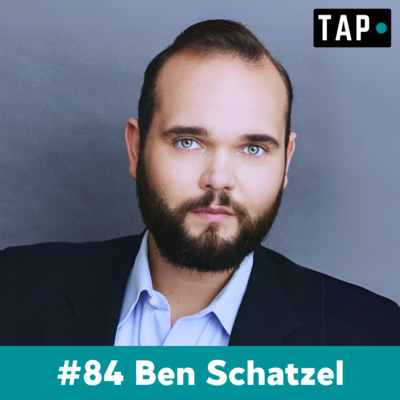
Autistic host Thomas is joined by Ben Schatzel, a human behaviourist and disability labour reformist, to confront the harsh reality of employment for autistic adults — and why it keeps failing us (spoiler, it's not you).
Thomas's Links: https://linktr.ee/thomashenleyUK
Ben's Links: https://linktr.ee/benschatzel
Code HENLEY25 : https://neurodivergentinsights.com/neurodivergent-store/
In this episode, we discuss:
• Why autistic adults struggle to get and keep jobs
• How job interviews and recruitment practices filter out neurodivergent talent
• The false hope of surface-level “neurodiversity hiring” programs
• The crushing impact of sensory overwhelm, burnout, and masking at work
• The systemic design flaws in the modern workplace
• What a genuinely inclusive job would look and feel like
• Ben’s mission to reform workplace systems from the ground up
• The emotional toll of repeated failure and being seen as “unemployable”
• Why employment success for autistic people requires deep structural change
👽 Remember that Autism is a spectrum, and your experiences/opinions will likely differ from mine based on your background, traits, location, other diagnoses, personality, life experience, and much more.
❗️IMPORTANT NOTE: I am NOT a professional, and you should consult a registered psychologist and doctor before taking any action
PLEASE share your experiences and thoughts in the COMMENTS!➡️
The Psychology of Autistic Boys and the Manosphere
Host Thomas Henley is joined by psychologist Laura Gwilt to explore the complexities of the manosphere — the digital world influencing millions of young men and autistic adults.
Thomas's Links: https://linktr.ee/thomashenleyUK
Laura's Links: https://linktr.ee/lauragwilt
Code HENLEY25 : https://neurodivergentinsights.com/neurodivergent-store/
In this episode, we discuss:
What the manosphere actually is, and how varied it is
The psychological appeal of the manosphere to autistic men and young neurodivergent boys
The role of loneliness, isolation, and emotional neglect in drawing men into these spaces
Society’s failure to emotionally support boys and men, especially autistic ones
The positive side of the manosphere — creators who offer structure, self-worth, and community
The darker side — toxic masculinity, misogyny, and emotional manipulation
Performative masculinity and internalised shame
The psychological concept of “fix me” narratives and why autistic men are vulnerable to them
How anger, trauma, and emotional repression are handled (or ignored) in male spaces
The emotional and developmental impact of being unsupported as a young autistic boy
How authentic belonging is often promised but rarely delivered by these communities
A breakdown of what healthy support looks like — from therapists, peers, and real connection
How autistic communication styles can be misunderstood or exploited in online dynamics
Laura Gwilt’s expert insights into male identity formation, emotion regulation, and cultural shifts needed to prevent harm
Hopeful paths forward — creating nuanced, inclusive communities for men that centre growth, honesty, and care
👽 Remember that Autism is a spectrum, and your experiences/opinions will likely differ from mine based on your background, traits, location, other diagnoses, personality, life experience, and much more.
❗️IMPORTANT NOTE: I am NOT a professional and you should consult a registered psychologist and doctor before taking any action
PLEASE share your experiences and thoughts in the COMMENTS!➡️
Autism, Family Law & Your Rights — with Dr Margaret Price
Dr. Margaret Price and Thomas Henley discuss divorce, parenthood, and family court through an autism-focused lens; a raw, vital talk on support, stigma, and systemic failure.Thomas's Links: https://linktr.ee/thomashenleyUKPegi’s Book: https://uk.jkp.com/collections/author-margaret-pegi-price-pid-204569Code HENLEY25 : https://neurodivergentinsights.com/neurodivergent-store/We discuss the challenges faced by families with autistic children in the context of family law. Pegi shares her personal journey as a single parent of an autistic child and critiques traditional legal frameworks that inadequately address the unique needs of these families. She advocates for customised legal solutions, crisis planning, and systemic changes to better support special needs families. The episode emphasises the need for specialised legal considerations and a cultural shift to foster understanding and support for children with autism.In this episode, we discuss:• The difference between typical and special needs family law: why the old playbook often falls short.• Court-approved parenting plans and how they often miss the mark for families with an autistic child.• Crisis planning lessons from COVID-19 school closures: what happens when support systems suddenly vanish.• Labelling and stigma: how institutional bias shows up in court and what it means for our kids.• The importance of individualised support, realistic respite care, and financial planning for special needs.• Raising awareness in law, policy, and everyday life: change happens when we all get informed.🎥 WATCH NEXT: https://youtu.be/lEs4sMH5OnM#thoughtyauti #thomashenley #autismpodcast 👽 Remember that Autism is a spectrum, and your experiences/opinions will likely differ from mine based on your background, traits, location, other diagnoses, personality, life experience, and much more. So PLEASE share your experiences and thoughts in the COMMENTS!➡️ Remember to LIKE and SUBSCRIBE for more content, and hit the notification button 🔔 to be notified of new podcasts ahead of the crowd!👾 JOIN the Discord Community - https://discord.com/invite/XMYbAd9u5D❗️IMPORTANT NOTE: I am NOT, and neither is my guest, a professional,l and you should consult a registered psychologist and doctor before taking any action📙 FREE Glossary For All The Autism Terms You Need - https://youtu.be/Z8FIdO1nzA8 🎧 Audiobook Adventure - https://youtu.be/GmQfmIlgjqc💫 My Autism Journey Documentary - https://youtu.be/j3Xox7vN2NM🚀 RECOMMENDATIONS:🎧 My Favourite Earphones - 1. https://amzn.to/3OfWrUW2. https://dbud.io/thoughtyautipodcast (20% OFF)🛁 Sensory Friendly Self-Care - https://amzn.to/3V2sUSm🎥 My YouTube Equipment - https://amzn.to/3OjsinW💪🏻 My Gym Equipment - https://amzn.to/4eKHHrY🧑🚀 Sensory Input and Fidgets - https://amzn.to/3ZbWRSx📚 Book Recommendations - https://amzn.to/40Ylx2a👓 Sensory Supports and Reduction - https://amzn.to/3CLV5i8PS: Any purchases made through these affiliate links will give me a small commission :)📲 My Socials:All Links: https://linktr.ee/thomashenleyukInstagram: https://www.instagram.com/thomashenleyuk/TikTok: https://www.tiktok.com/@thomashenleyukDiscord: https://discord.com/invite/XMYbAd9u5DOSRS: Rubywizard11Website: https://www.thomashenley.co.ukEmail: hi@thomashenley.co.uk
Autism, Aliens and Starseeds
New age spirituality brought us star seeds and indigo children, but are autistic people truly spiritual beings?
Autistic athiest Thomas Henley talks to Emily Robyn Clark about the links between Autism and spirituality, diving deep into fringe cross-over groups within the Autistic communities online.
Thomas's Links: https://linktr.ee/thomashenleyUK
Emilys Links: https://linktr.ee/emilyrobynclark
Autistic Burnout Bundle (25% CODE: Henley25) - https://shorturl.at/rPEi3
#thoughtyauti #thomashenley #autismpodcast
👽 Remember that Autism is a spectrum, and your experiences/opinions will likely differ from mine based on your background, traits, location, other diagnoses, personality, life experience, and much more. So PLEASE share your experiences and thoughts in the COMMENTS!
👾 JOIN the Discord Community - https://discord.com/invite/XMYbAd9u5D
❗️IMPORTANT NOTE: I am NOT, and neither is my guest a professional and you should consult a registered psychologist and doctor before taking any action
📙 FREE Glossary For All The Autism Terms You Need - https://youtu.be/Z8FIdO1nzA8
🎧 Audiobook Adventure - https://youtu.be/GmQfmIlgjqc
💫 My Autism Journey Documentary - https://youtu.be/j3Xox7vN2NM
🚀 RECOMMENDATIONS:
🧑🚀 Sensory Input and Fidgets - https://amzn.to/3ZbWRSx
📚 Book Recommendations - https://amzn.to/40Ylx2a
👓 Sensory Supports and Reduction - https://amzn.to/3CLV5i8
🎧 My Favourite Earphones -
1. https://amzn.to/3OfWrUW
2. https://dbud.io/thoughtyautipodcast (20% OFF)
🛁 Sensory Friendly Self-Care - https://amzn.to/3V2sUSm
🎥 My YouTube Equipment - https://amzn.to/3OjsinW
💪🏻 My Gym Equipment - https://amzn.to/4eKHHrY
PS: Any purchases made through these affiliate links will give me a small commission :)
⭐️ ABOUT ME:
I'm Thomas, a YouTuber, podcaster, streamer and public speaker; I was diagnosed with Autism at age 10 and clinical depression at 14 but despite having support NO professional could help me.
I started learning more about autism in my early 20's through deep dives into psychology, lived experience, philosophy and writing about my life through introspection and experience. This 15-year-long venture led me to develop my social skills, coping mechanisms, and autism philosophy... but also process and learn to live with my mental health conditions.
Transferring from my successful Taekwondo career and Biomedical Sciences Degree into public speaking, SEND teaching and social change (NDTi), I realised that what kept me alive was my desire to stop more autistic children and adults from falling into the same pitfalls I did.
I started with producing content on YouTube, shifting to creating Instagram content and podcasting, and eventually settling back on YouTube after the support with building my business from The Princes Trust.
I hope to challenge opinions and concepts with a productive, non-radicalised and understanding perspective, and bring lesser-known 'autism things' to light... so you can always count on me for a fresh and balanced take on everything autism.
📲 My Socials:
All Links: https://linktr.ee/thomashenleyuk
Second Channel: @insidetheautiverse (Help me reach 10k!)
Instagram: https://www.instagram.com/thomashenleyuk/
TikTok: https://www.tiktok.com/@thomashenleyuk
Discord: https://discord.com/invite/XMYbAd9u5D
OSRS: Rubywizard11
Website: https://www.thomashenley.co.uk
Email: hi@thomashenley.co.uk
Autistic Dating: Decoding Romantic Chemistry
Romance, chemistry, gut feelings and communication; today we dive into the complexities of dating as an autistic adult.
Thomas's Links: linktr.ee/thomashenleyUK
Daniel's Insta: lnk.bio/nohandshakemusic
Thomas produces weekly videos, livestreams and video versions of the podcast episodes you can view for free on YouTube. Join the 100+ members for only £0.99, support Thomas’ work, interact with him and receive all the perks!
🎵 Song Of The Day - https://open.spotify.com/playlist/5UDIyN5TSYN4zMcRoQPrG8?si=9255ed3480d840b5
🗣️ My Socials and YouTube Channel - https://linktr.ee/thomashenleyUK
💻 My Amazon Store Recommendations (Sensory items, gym gear, YouTube set-up) - https://www.amazon.co.uk/shop/thomashenleyuk
The Autism and OCD Crossover and Differences
Claire from Woodshed Theory talks about their intimate experience with Autism and OCD, what the crossovers and differences are, and the intricacies of how Obsessive Compulsive Disorder may manifest. Thomas's Links: https://linktr.ee/thomashenleyUK Claire's Channel: https://www.youtube.com/@UCQleXj9QNaBUi_XWu4rRfTQ
Thomas produces weekly videos, livestreams and video versions of the podcast episodes you can view for free on YouTube. Join the 100+ members for only £0.99, support Thomas’ work, interact with him and receive all the perks! 🎵 Song Of The Day - https://open.spotify.com/playlist/5UDIyN5TSYN4zMcRoQPrG8?si=9255ed3480d840b5 🗣️ My Socials and YouTube Channel - https://linktr.ee/thomashenleyUK 💻 My Amazon Store Recommendations (Sensory items, gym gear, YouTube set-up) - https://www.amazon.co.uk/shop/thomashenleyuk
Autistic:Neurotypical Relationships Are Better With Ai
Thomas Henley talks to the inventor of the AI-powered app Neurotranslator, an innovative idea for bridging the communication gaps between neurotypicals, autistics and ADHDers. Does Michael offer a replacement for couples therapy or HR intervention at work... or is it a crutch? Let's see.
Thomas's Links: https://linktr.ee/thomashenleyUK
Michael's Links: https://linktr.ee/neurotranslator
Thomas produces weekly videos, livestreams and video versions of the podcast episodes you can view for free on YouTube. Join the 100+ members for only £0.99, support Thomas’ work, interact with him and receive all the perks!🎵 Song Of The Day - https://open.spotify.com/playlist/5UDIyN5TSYN4zMcRoQPrG8?si=9255ed3480d840b5 🗣️ My Socials and YouTube Channel - https://linktr.ee/thomashenleyUK 💻 My Amazon Store Recommendations (Sensory items, gym gear, YouTube set-up) - https://www.amazon.co.uk/shop/thomashenleyuk
Low Support Needs Autism | The Unique Challenges
Thomas Henley talks to NeurodiverJENNt about low support needs autism, its unique challenges, and the conflict between the autistic adult and parenting worlds (read more below).
Thomas's Links: https://linktr.ee/thomashenleyUK
NeurodiverJENNt: https://www.youtube.com/@NeurodiverJENNt
Thomas produces weekly videos, livestreams and video versions of the podcast episodes you can view for free on YouTube. Join the 100+ members for only £0.99, support Thomas’ work, interact with him and receive all the perks! In this live podcast episode, Thomas Henley and NeurodiverJENNt discuss lower support needs autism. They talk about their experiences with caffeine and how it affects their ADHD. They also discuss looking younger than their age and the challenges it can bring. The conversation touches on topics such as live streaming, the pressure of being on camera, and the trial-and-error process of creating content on YouTube. Thomas introduces the episode and explains why they chose to focus on lower support needs autism. They also mention a previous episode about autism and sleep with Dr. Megan Neff. In this part of the conversation, NeurodiverJENNt and Thomas Henley discuss the challenges of communication and social interaction for autistic individuals, particularly those with lower support needs. They talk about the difficulty of initiating and reciprocating social interaction, the energy and mental effort required to respond to messages, and the feeling of being stuck in the middle and not fitting in anywhere. They also touch on the impact of a late diagnosis and the process of self-discovery. The conversation then shifts to the topic of masking and its effects on well-being, self-perception, and social interactions. In this final part of the conversation, Thomas and NeurodiverJENNt discuss the challenges of unmasking and the perception that unmasking is an act or performance. They also address the controversy between autistic adults and autism parent advocates, emphasizing the need for compassion and understanding between the two groups. They highlight the importance of listening to the experiences of lower support needs autistic adults and dispel the misconception that autism has a specific look or set of traits. They conclude by encouraging patience, kindness, and collaboration in advocating for the needs of all autistic individuals. 🎵 Song Of The Day - https://open.spotify.com/playlist/5UDIyN5TSYN4zMcRoQPrG8?si=9255ed3480d840b5 🗣️ My Socials and YouTube Channel - https://linktr.ee/thomashenleyUK 💻 My Amazon Store Recommendations (Sensory items, gym gear, YouTube set-up) - https://www.amazon.co.uk/shop/thomashenleyuk
Autism Sleep Issues | Why They Occur and How To Fix Them
Thomas Henley talks to Dr Megan Neff from Neurodivergent Insights about the sleep issues autistic people face and how to fix them. Dr Neff is a clinical psychologist, researcher and writer with a flair for Instagram, a detailed understanding of the complexities of Neurodiversity and their own lived experience with Autism and ADHD (read more below).
Why do autistic people struggle with sleep? Do autistic people have a different sleep cycle? How can we fix autism sleep issues? Let's answer these burning questions. Thomas's Links: https://linktr.ee/thomashenleyUK Megan Neffs Links: https://linkin.bio/neurodivergent_insights/
Thomas produces weekly videos, livestreams and video versions of the podcast episodes you can view for free on YouTube. Join the 100+ members for only £0.99, support Thomas’ work, interact with him and receive all the perks!
🎵 Song Of The Day - https://open.spotify.com/playlist/5UDIyN5TSYN4zMcRoQPrG8?si=9255ed3480d840b5
🗣️My Socials and YouTube Channel - https://linktr.ee/thomashenleyUK
💻 My Amazon Recommendations (Sensory items, gym gear, YouTube set-up) - https://www.amazon.co.uk/shop/thomashenleyuk

The Stigma and Stereotypes Around Cerebral Palsy
Thomas Henley talks to Emma Stone, a cerebral palsy advocate (dystonia) and decorated horseriding athlete, currently studying a variety of Work Preparation modules in college and working in a local cafe. Emma speaks on how others treat her differently and what mentality she has in the face of adversity (read more below).
What are the stigmas and stereotypes attached to cerebral palsy? What is daily life with dystonia like? What is cerebral palsy and how does it develop? Let's answer these questions.
Thomas's Links: https://linktr.ee/thomashenleyUK Emma's Blog: https://estoneblogersa.blogspot.com/?m=1
Thomas produces weekly videos, livestreams and video versions of the podcast episodes you can view for free on YouTube. Join the 100+ members for only £0.99, support Thomas’ work, interact with him and receive all the perks! Within this podcast, Emma aims to dispel the stigma and stereotypes around cerebral palsy, bring more awareness to them and share the more intimate negative experiences they've gone through in daily life, school, physio, surgery and healthcare. She also highlights the life lessons she's picked up and details her top tips for other individuals with cerebral palsy.
🎵 Song Of The Day - https://open.spotify.com/playlist/5UDIyN5TSYN4zMcRoQPrG8?si=9255ed3480d840b5
🗣️My Socials and YouTube Channel - https://linktr.ee/thomashenleyUK
💻 My Amazon Recommendations (Sensory items, gym gear, YouTube set-up) - https://www.amazon.co.uk/shop/thomashenleyuk
Autism and Pet Management
Thomas Henley talks to Mike from Autistic_AF about his experiences owning and managing a large number of animals or pets, why Autism makes pet ownership difficult, what benefits pets can offer autistic people, and which strategies he uses to maintain his sanity long-term (read more below).
What are the challenges autistic people experience with pets and how can you manage them? How can pets benefit autistic and disabled people? WHY does Mike have 2 therapy peacocks? Let's answer these questions. Thomas's Links: https://linktr.ee/thomashenleyUK Autistic_AF: https://www.youtube.com/@Autistic_AF Thomas produces weekly videos, livestreams and video versions of the podcast episodes you can view for free on YouTube. Join the 100+ members for only £0.99, support Thomas’ work, interact with him and receive all the perks!
🎵 Song Of The Day - https://open.spotify.com/playlist/5UDIyN5TSYN4zMcRoQPrG8?si=9255ed3480d840b5
🗣️My Socials and YouTube Channel - https://linktr.ee/thomashenleyUK
💻 My Amazon Recommendations (Sensory items, gym gear, YouTube set-up) - https://www.amazon.co.uk/shop/thomashenleyuk
Martial Arts For Autism | Challenges and Benefits
Thomas Henley talks to Sensei Al Loren about his experience in martial arts and his unique approach to coaching autistic children and adults (read more below).
What are the benefits of martial arts for autistic people? How far should we push autistic people out of their comfort zone? How can YOU start martial arts training? Let's answer these questions. Thomas's Links: https://linktr.ee/thomashenleyUK
Al's Book: https://www.amazon.co.uk/Martial-Arts-Autism-Spectrum-Practical/dp/B0BZ6KG43P
Thomas produces weekly videos, livestreams and video versions of the podcast episodes you can view for free on YouTube. Join the 100+ members for only £0.99, support Thomas’ work, interact with him and receive all the perks! Starting with Al's history of fighting, the two share fond memories of their respective fighting careers and connect on their love for the original Karate Kid movie series. Al Loren shares his challenges and success with teaching autistic individuals, highlighting the important mindset to have when coaching children and adults on the spectrum. They wrap up debating the balance between challenging autistic people and being compassionate towards their difficulties.
🎵 Song Of The Day - https://open.spotify.com/playlist/5UDIyN5TSYN4zMcRoQPrG8?si=9255ed3480d840b5
🗣️My Socials and YouTube Channel - https://linktr.ee/thomashenleyUK
💻 My Amazon Recommendations (Sensory items, gym gear, YouTube set-up) - https://www.amazon.co.uk/shop/thomashenleyuk
Medical Marijuana For Autism and ADHD
Thomas Henley talks to lead cannabis researcher Dr Miyabe Shields about how medical marijuana could transform an Autistic or ADHD person's life for the better or worse (read more below).
Why are 70% of daily marijuana users Autistic? How can medical marijuana be used by Autistic or ADHD adults to support them? What are the negative impacts of marijuana on neurodivergent or neurotypical individuals? Let's answer these questions.
DISCLAIMER: This information should NOT be viewed or used as medical advice, but rather an exploration of data, science and experiences of neurodivergent and neurotypical individuals with marijuana usage.
Thomas' Links - https://linktr.ee/thomashenleyUK
Miyabe's Links - https://projectchronic.com/links/
Thomas produces weekly videos, livestreams and video versions of the podcast episodes you can view for free on YouTube. Join the 100+ members for only £0.99, support Thomas’ work, interact with him and receive all the perks! Dr Miyabe Shields has a PhD in endocannabinoid pharmsci and is co-creator of 'Network of Applied Pharmacognosy' with Dr. Riley Kirk, a non-profit contributing to education and destigmatising of emerging medicinal natural products. Miyabe is also a thriving queer and neurodivergent Instagram personality with over 40K followers, which is often used to promote 'Project Chronic' from 'Dose Like A Scientist', a community-based educational platform for neurodivergents providing a network, teaching them about pharmacology and advocacy. Introducing Season 3 of the Thoughty Auti Podcast, Thomas explains the new upload schedule of the podcast before pivoting to the episode topic... Marijuana and Autism. Miyabe gives a brief background to why she chose to pursue Pharamacological research into endocannabinoids before highlighting the differences in the legality and prescription of consumable hemp, recreational, and medical marijuana between the USA and the UK. Two big distinctions were product diversity and black market prevalence in obtaining marijuana. Thomas highlights his introduction to recreational drug users at university, sparking an interest in the physiological and experiential elements of alternative medicine and drug use. He had a very bad association with drug use, personality, work ethic, and intelligence, common to many proclaimed 'tea-total' individuals. Miyabe describes the Stoner Archetype and how it influences public perspectives on marijuana use as opposed to the use of legal highs like alcohol and tobacco. Miyabe explains the Triad Of Suffering, three issues common to neurodivergent individuals, but also something treatable with medical marijuana. Listing off the immediate and long-term potentials of THC and CBD through a medical lens, it's clear this medicine has a lot of therapeutic potential for neurotypical and neurodivergent individuals. A clear advantage to recreational use through the heightening of social rewards and reduced discomfort with eye contact through an oxytocin mediator seemed to explain the positive regard towards marijuana testified by neurodivergents in a social setting. Marijuana is not without potential risks, being linked to triggering schizophrenia, an array of mental illnesses, and neuronal changes in users under the age of 25; although correlation does not always equal causation, it's a clear concern for medical professionals and the public. Touching on the history of hemp and marijuana use, Miyabe details the many reasons why she is fighting for more widespread legalisation of both medicinal and recreational marijuana use. Ignoring its potential benefits, it proves to be a relatively lower toxicity and crime-facilitating option than the socially accepted recreational use of ethanol and nicotine. Whether you agree with legalisation of such a plant, you'll surely take away a lot of new perspectives and information about marijuana use for neurotypical and neurodivergent individuals.
🎵 Song Of The Day - https://open.spotify.com/playlist/5UDIyN5TSYN4zMcRoQPrG8?si=9255ed3480d840b5
🗣️My Socials and YouTube Channel - https://linktr.ee/thomashenleyUK
💻 My Amazon Recommendations (Sensory items, gym gear, YouTube set-up) - https://www.amazon.co.uk/shop/thomashenleyuk
Non-Verbal Autistic To Professional Speaker
Thomas Henley talks to Paul Isaacs, an autistic public speaker who was late diagnosed with autism and OCD at the age of 24 in 2010. Paul was functionally non-verbal till the age of 11, suffering from a brain injury from cerebral hypoxia before birth. Paul details his life with visual and speech disorders, and how others can better understand the experience (read more below). Thomas' Links - https://linktr.ee/thomashenleyUK
Paul's Blog - https://theisaacs22.wordpress.com/
Thomas produces weekly videos, livestreams and video versions of the podcast episodes you can view for free on YouTube. Join the 100+ members for only £0.99, support Thomas’ work, interact with him and receive all the perks! Kicking off the episode, Paul explains his history with Autism and OCD. Diagnosed at the late age of 24 he was gifted with a very positive experience, something not common to many. Paul found a role model in a woman named Donna Williams, who shared many of his experiences in life, recounting her inspiring yet tragic life in great detail. Starting work at 15 due to his parents increasing concern about Paul's isolation in his room, he had a very ego-centric approach to communication with many processing delays. The two bond over their shared confusion and difficulty identifying bullying, gossiping, and gaslighting within the school system and workplace. Non-verbal until age 7, Paul describes the numerous visual and speech disorders he was afflicted with due to brain damage inflicted during a placental abruption and consequent cerebral hypoxia. Doctors originally believed he was blind, but eventually identified a few causes of his social, kinaesthetic, and sensory-sampling behaviours. Paul is hemiplegic, which impacts his visual perception, language, proprioceptive awareness, and some of his motor functionality. His visual agnosia left him unable to register anything he wasn't directly focused on, like extreme tunnel vision... meaning his ability to create word associations to objects in childhood was difficult. In terms of speech, Paul was 80% meaning deaf. The experience was described as perceiving large amounts of fragmented information, and couldn't interpret language as anything but meaningless phonics. His anomic aphasia made it difficult to find words to say, which resulted in him becoming highly echolalic. Paul and Thomas describe their shared difficulty with Alexithymia in childhood and how their feelings manifested as physical illness. Paul describes the idea of mergence, something common in infants who are in a state of sensing, rather than interpretation... this mergence was remarked by Thomas as being eerily similar to goals of meditation and the experience of ego-death many chase. Paul and Thomas differ in some respects. Thomas describes his default mode network or baseline activity of his brain as being constant and often stressful; Paul doesn't tend to think at all unless baited by OCD.
🎵 Song Of The Day - https://open.spotify.com/playlist/5UDIyN5TSYN4zMcRoQPrG8?si=9255ed3480d840b5
🗣️My Socials and YouTube Channel - https://linktr.ee/thomashenleyUK
💻 My Amazon Recommendations (Sensory items, gym gear, YouTube set-up) - https://www.amazon.co.uk/shop/thomashenleyuk
Autism Misdiagnosed As Bipolar Disorder
Why do ADHD and Autism get misdiagnosed as Bipolar Disorder? What impact does bipolar medication have on someone? How do Brandon and Thomas process anger differently? Brandon Christ (@autistically_b) was diagnosed with Autism (ASD-2) and ADHD recently after a long life of being misdiagnosed with Bipolar Disorder. Working in physiotherapy with a passion for baseball and fitness, Brandon seeks to open up about his experiences with late-diagnosed life and how fitness has shaped him as a person. My Links - https://linktr.ee/thomashenleyUK [https://linktr.ee/thomashenleyUK] // Brandon's Insta - https://www.instagram.com/autistically_b/ Dbud Noise Cancelling Adjustable Ear Buds (20% OFF with code: THOUGHTYAUTI) - https://dbud.io/thoughtyautipodcast [https://dbud.io/thoughtyautipodcast] The conversation commences on the topic of neurodiversity, looking at the differences between inherent and acquired neurodiversity, as well as the fine lines between viewing some neurodivergencies as good, neutral, or inherently bad. On the topic of masking in adolescence, Thomas tended to be quiet and blended in as much as he could... whilst Brandon became hyper-verbal and highly social. Thomas dives deeper into Brandon's difficult childhood, highlighting the behavioral training he received due to stimming, meltdowns, and attention problems. Brandon reflects on life before the People's First movement and how his early adulthood influenced his life outcome. Pathological Demand Avoidance (PDA) is best characterised as a sensitivity to expectations, not defiance, and is fairly common in autistic people. The two talk about their experiences with PDA and aggression at school, at work, and within sports. Highlighting the silly online culture around things such as the Alpha Male, Thomas postulates that the idea of the Sigma Male likely comes from the existence of confident autistic men with PDA. It can be hard being autistic in a neurotypical world; Thomas and Brandon connect on the negative experiences that shaped their prior negative mindset towards neurotypicals... and how they shifted their perspective to forgiveness in later adulthood. Sport and exercise is a big part of both Brandon and Thomas' life... it's regulating, a great social lubricant, helps develop grit, and can temper you against sensory overload in the long term. Autistic people can struggle with instinctual movements and hypermobility, but have a lot of strengths in sports too! Brandon directs a question to the host about the struggles he faces most often as an autistic person. Thomas highlights it was once alexithymia and other people which were the biggest factors, with executive functioning and transition difficulties being a close second. Being autistic often comes with unfavorable life experiences and co-occurring conditions, and for Thomas mental illness is the biggest difficulty in life. Song Of The Day (Listen Here) - https://open.spotify.com/playlist/5UDIyN5TSYN4zMcRoQPrG8?si=9255ed3480d840b5 [https://open.spotify.com/playlist/5UDIyN5TSYN4zMcRoQPrG8?si=9255ed3480d840b5]
The Hidden Link Between Autism and Addiction
Autism and Philosophy
Emily Robyn Clark is a multi-award-winning screenwriter, filmmaker, poet, songwriter, and practicing Buddhist under the SGI organisation. Her film 'Love Spell' (which she wrote, produced, and directed) which won 12 awards and nominated 2 major film festivals.
My Links - https://linktr.ee/thomashenleyUK [https://linktr.ee/thomashenleyUK] // Emily's Links - linktr.ee/emilyrobynclark [https://linktr.ee/emilyrobynclark]
Dbud Noise Cancelling Adjustable Ear Buds (20% OFF with code: THOUGHTYAUTI) - https://dbud.io/thoughtyautipodcast [https://dbud.io/thoughtyautipodcast]
They start off speaking on the stereotype of autistic people being good at maths and computers, before diving into the controversial practice of type-casting Autistic people and women within the film industry.
Meditation isn't only a spiritual practice, but something backed up by science as being beneficial for mental health and wellness. Emily speaks on her own practices of Gongyo and how her meditative Buddist rituals helped improve her life.
Brought up in Tennessee (USA), in a highly conservative, Christian fundamentalist culture, full of homeschooling, homophobia, and church gatherings... Emily explains her negative experiences within the Religious groups she grew up in and when she first identified she was bisexual.
Thomas speaks on his very secular yet existentialist view on life, going into his history with Christianity and his attraction to Buddist tenants and Philosophies.
Since his youth, Thomas has always questioned the meaning of life and the experiences we have as humans... going through multiple existential crises before exploring Philosophy. Diving into his own perceptions and beliefs he entered a rabbit hole of Nihilistic despair, before realising the power and freedom it gave him for creating his own values and meaning through Positive Nihilism.
Emily and Thomas both arrived at similar conclusions about life and people, just from different angles. For Thomas it was purely theoretical and secular, for Emily it was spirituality and Buddhism.
Unconditional love for your 'enemies', healing familial relationships, Carl Jung archetypes, and the identity within passions were all explored in-depth.
Emily explains the ideas and utility behind Astrology and Tarot Cards for her own life, whilst the unconvinced host postures with position through the lens of science.
Ending on an interesting note, they look into the reasons why Autistic people may gravitate towards spirituality, Religion, and Philosophy... looking at pattern recognition or lateral thinking, influential philosophers, the need for certainty, rituals, and developing your own brand of approaching life.
Song Of The Day (Listen Here) -
Autism Relationship Masterclass
What challenges do Autistic-Allistic relationships present? How can neurodiverse couples communicate better? What qualities do Autistic relationships need to be successful? Mona Kay (@neurodiverse_love) is an ADHDer, podcaster, and relationship coach. Married for 30 years to an Autistic man, together for 32, but only aware they were a neurodiverse couple after the 29th year... after her divorce she started the Neurodiverse Love Podcast. Mona uses her experiences and knowledge to offer new and neurodiversity-affirming ways to improve relationships. My Links - https://linktr.ee/thomashenleyUK [https://linktr.ee/thomashenleyUK] // Mona's Links - https://linktr.ee/NeurodiverseLove Dbud Noise Cancelling Adjustable Ear Buds (20% OFF with code: THOUGHTYAUTI) - https://dbud.io/thoughtyautipodcast [https://dbud.io/thoughtyautipodcast] Mona kicks things off by speaking on the story of her marriage and eventual divorce from her Autistic spouse. She describes the ways she was unknowingly overwhelming her husband with her communication, flooding him to the point of shutdown. Thomas and Mona discuss the common miscommunications that can happen between allistic and autistic individuals in relationships: Not being concise or specific, overloading with emotion, lack of preparation, ignoring the need for social transitions, being aware of social batteries, pathological demand avoidance (PDA), ignoring sensory sensitivities, understanding of processing time, flat affect, and lack of direct emotional explanation. They speak on the controversy of Cassandra Syndrome, and how this should be viewed as an issue of Double Empathy... before going on to highlight the general positives and negatives of Autistic relationships. Dating a different neurotype will always come with more issues with communication if not properly addressed. Not understanding platonic vs romantic intent, issues around identifying flirting, different ideas about the boundaries of relationships, or even the relationship goals/milestones. Mona speaks on the unique issues that can come with moving in together and not addressing each other's needs, the challenges of raising children, and the hidden issues that surface once children move out of the home. Thomas chips in with his experience of moving in with a partner and his desire for a partnership in the future. Rounding up the episode, they converse about the qualities in yourself, your partner, and the relationship that lead to the best outcome: Being self-aware of your non-negotiables, core values, and boundaries, having a growth mindset, patience, open-mindedness, low emotional reactivity, independent mindsets, curiosity, direct communication, and solid conflict resolution. Song Of The Day (Listen Here) - https://open.spotify.com/playlist/5UDIyN5TSYN4zMcRoQPrG8?si=9255ed3480d840b5 [https://open.spotify.com/playlist/5UDIyN5TSYN4zMcRoQPrG8?si=9255ed3480d840b5]
The Crushing Reality Of Late-Diagnosed Autism
Autism Gaslighting and Mate Crime
AuDHD: When Autism Meets ADHD
Identifying & Preventing Autistic Burnout
Vera is the Founder of @HappyAutisticLady with her sister Ivi, which is a business offering resources, stickers, art, and speaking about Autism and Neurodiversity. Residing in the UK and the Czech Republic, Vera works with the Ambitious About Autism youth network and within Civil Services, where she looks at governmental papers, and trains Mental Health workers to understand Autism alongside the MIND charity.
My Links - https://linktr.ee/thomashenleyUK [https://linktr.ee/thomashenleyUK]// Vera's Insta - instagram.com/happyautisticlady?igshid=MmJiY2I4NDBkZg==
Dbud Noise Cancelling Adjustable Ear Buds (20% Off with code: THOUGHTYAUTI) - https://dbud.io/thoughtyautipodcast [https://dbud.io/thoughtyautipodcast]
They start off by talking about the concept of accent switching or mirroring in social interactions, as well as sleep chronotypes and hustle culture, before chatting about the difficulties of managing a wide variety of business roles and introducing the topic… Autistic Burnout!
Vera goes through 6 main causes of burnout: Tiredness, Fairness, Control, Insufficient Reward, Lack Of Community, and Values. Thomas highlights some modern-day difficulties like atomisation, Vera mentions how lack of fairness is a difficulty for Autistic people in a neurotypical world.
Diving deeper into the specifics of Autistic burnout, how burnout impacts Autistic people differently, and the unique causes of Autistic burnout. In a larger conversation about Autistic masking, they highlight how masking can impact short-term energy/stress as well as long-term mental health. Sensory difficulties are a big issue for Autistic people in the workplace and out in the world due to our lack of habituation to sensory stimuli; Thomas highlights the importance of environmental adjustments and sensory supports in reducing overall stress.
Thomas adds that concepts like interoception and issues with sleep can also impact Autistic burnout; many individuals don't fulfill their hydration and food intake needs which are important to overall functioning and well-being, but struggling to wake/sleep due to melatonin differences can also impact energy levels and stress long term. It can be easy to think of psychology as a separate thing from our biology, but the brain is an organ, and exposure to cortisol and adrenaline has some real bodily effects. Cortisol impacts autistic people more strongly and takes longer to die down, and in our modern day, this can lead to chronic stress and impaired cognitive function.
Looking into Vera and Thomas' experiences with burnout, they talk about the concept of Spoon Theory and the importance of distinguishing capability from capacity... Vera uses the cupcake analogy to explain this.
Thomas and Vera list some common RED FLAGS for incoming Autistic burnout, some unhelpful coping strategies, and mentalities th
Autistic Man Talks To Mother About Childhood
The Mental Health Crisis Of Autistic Men with Kieron Lee
TW: Mental health, ED, SH, and light mentions of SUI
Kieron Lee (@mr.kieronlee [https://www.instagram.com/mr.kieronlee/]) is an Autistic music artist, Autism advocate under Anna Kennedy OBE, JAAQ content creator, and collaborator with Born Anxious. His first single NYN, touched on his experiences of relationships as an Autistic man, and is hopeful for the success of his upcoming album ACRONYMS. Kieron has had a lot of experience with mental health as an Autistic man and seeks to share the more stigmatised sides of men's mental health on the podcast.
My Links - https://linktr.ee/thomashenleyUK [https://linktr.ee/thomashenleyUK] // Kierons Website - www.mrkieronlee.org.uk/
Dbud Noise Cancelling Adjustable Ear Buds (20% Off with code: THOUGHTYAUTI) - https://dbud.io/thoughtyautipodcast [https://dbud.io/thoughtyautipodcast]
Priory Group did a recent study on mental health in men, which highlighted some concerning statistics:
40% of the polled men have never spoken with anyone about their mental health
40% of the polled men said it would take thoughts of SUI or SH to get them to seek support
With the diagnosis rate of mental health conditions being 19.5%, it could be thought that men are more resilient to mental illness, but with 75% of registered SUI's in the UK in 2020 being from men... we may need to make a greater effort to support men and destigmatise mental illness.
Thomas Henley kicks off the episode by talking to Kieron Lee about his lifelong affinity to music and all the complex elements of sound that bring him joy. Diagnosed at a VERY young age, Kieron talks about the autism stigma carried by the older generations and how his framing of Autism turned from negative to positive in his adult life.
You would think that Universities would be proactively supporting disabled and Autistic students in our modern day, but both Thomas' and Kieron's experiences seek to challenge this assumption. Accommodations are to be identified and fought for by Autistic students, and in Kieron's case getting said support, it's not always followed up on or enforced by the University staff.
Kieron Lee touches on his experiences as an empath and how Rejection Sensitive Dysphoria has impacted his pursuits in the workplace and in love. They speak on the differences in processing trauma as autistic people, and how this process can often be prolonged and intense for us. Addiction and SH played a large role in Kieron's way of coping with mental illness as a young adult but has since made strides in finding positive outlets in the form of creativity.
Opening up about ED, Thomas shares his experience with body dysmorphia and low self-esteem, and how he sought to offset his social difficulties with superficial improvements. Both agree on the heavy stigmatisation, lack of support, or campaigns around both ED and mental illness in men, with Kieron
Autistic People Have Lost Hope In Life
TW: Mental health, bullying, ED, SH, and SUI
Hina is a UK-based community support officer who is currently working on a creative SUI prevention project, coproduced with Autistic adults and seeking to shed light on the experiences of Autistic people. Within the episode, she shares her experiences with contamination OCD, mental illness, ED, and SUI.
My Links - https://linktr.ee/thomashenleyUK [https://linktr.ee/thomashenleyUK] // SUI Prevention Hotlines - www.medicalnewstoday.com/articles/327007
Dbud Noise Cancelling Adjustable Ear Buds (20% Off with code: THOUGHTYAUTI) - dbud.io/thoughtyautipodcast
Thomas Henley (host) kicks off the episode with a heavy disclaimer and an overview of a Nottingham University Study (2017) showing that:
8 in 10 - Almost 8 in 10 autistic adults have a mental health condition
6 in 10 - More than 6 in 10 autistic people have considered SUI
3 in 10 - More than 3 in 10 autistic adults have attempted SUI
Thomas highlights that statistics like these are easily accessible, but the mainstream media are not disseminating this crucial information on the life quality of Autistic people. He theorises that this may be due to the assumption that Autism inherently carries a lower quality of life with it, which may be a barrier to understanding the disability as a consequence of uninclusive systems or negative life experiences.
In the conversation about higher rates of mental illness among Autistic individuals, Hina starts by underscoring the contribution of misdiagnosis, lack of diagnosis, and autistic masking as key contributors to mental illness. Thomas explains how the negative life experiences around such things as bullying and isolation can impact the development of depression through the HPA axis.
Thomas and Hina share their own personal experiences with mental health, isolation, ED, SH, and SUI in an effort to destigmatise speaking out about the tipping points of mental illness. Going from adolescence to adulthood, they spotlight their lowest points in their mental health journey, drawing attention to the impact of an insufficient mental health system on Autistic people's outcomes.
Speaking on the positive effects of support, they highlight the problems and benefits of anti-depressant medication on their mental health, the importance of family and friends in building a strong support network, and how autism education helped them conceptualise and deal with their mental illness much more effectively.
Lastly, they touch on the stigma around SUI being selfish, mental illness being a personality trait, and the stigma of mental illness in men. Thomas speaks on the 'Andrew Tate mentality' that a lot of men have around mental health, and how strength is shown more through acknowledging your feelings rather than hiding them and pretending they don't exist.
Song Of The Day (Listen Here)
The Life Of Autistic Miss Florida with Rachel Barcellona
TW: Bullying and one mention of inappropriate touching of a minor
Rachel Barcellona (@rachelbarcellonaxo), also known as Miss Florida, is a US-based model, singer, stand-up comedian, theatre star, and autism advocate. Her company 'Ability Beyond Disability inc' serves to cement her dream of providing adequate inclusion for all people.
Working closely with the EPIC Players, New York's leading neuro-diverse theatre company, she champions Autism on mainstream media platforms like CNN, NBC, and Forbes. Rachel is also involved with a multitude of different charities, serving as a board member for C.A.R.D. USF, Unicorn Children's Foundation, Els for Autism Center of Excellence, and the Dyspraxia Foundation USA.
Rachel's Insta - https://www.instagram.com/rachelbarcellonaxo/ [https://www.instagram.com/rachelbarcellonaxo/] // My Links - https://linktr.ee/thomashenleyUK [https://linktr.ee/thomashenleyUK]
Dbud Noise Cancelling Adjustable Ear Buds (15% Off) - https://dbud.io/thomashenley [https://dbud.io/thomashenley]
Thomas Henley (host) and Rachel Barcellona (guest) start by conversing about the prevalence of Spelling Bees in the USA compared to the UK, but they soon dive into Rachel's backstory with Autism. Professionals diagnosed Rachel Barcellona with Autism at the young age of 3, where she experienced a speech delay until 5; her parents were told that she would never go to college or achieve anything notable in life.
They discuss the issue of manipulation and abuse particularly for autistic women. At her middle school age, Rachel Barcellona spent her time at a Christian school which allegedly manipulated her family into thinking it was the most inclusive place she could be. Unbeknownst to them, the school had an ulterior motive to 'cure' or 'remove' Autism in their students. Rachel was sadly a victim to the principal at the school, where they inappropriately touched her and proceeded to label her as the Devil's Child or Satan's Daughter.
Rachel Barcellona spent many of her school days isolated and bullied due to her differences but decided to post positive notes on her bully's lockers to have a positive impact... which eventually turned into the work she carries out in the modern day. Doesn't sound like the work of the devil to me! Rachel highlights her core value of putting herself and her family first, and how her large extended family supported her throughout the difficult times of her life.
Pivoting to Rachel's pageant, theatre, and singing success, they talk about her work with the neurodiverse theatre company Epic Players and how her failures in middle school had a positive impact on her ability to handle rejection... something commonplace for a budding Broadway prodigy! With her fingers in many pies, she explains her journey through performing arts, from cheerleading to singing, to theatrical performances. Pointing to her autistic gift of perfect pitch, Rachel talks about her love of Opera and how that inspired her to sing the USA National Anthem in Madison Square Gardens.
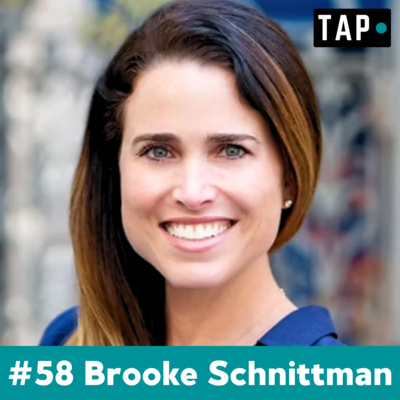
Autism, ADHD or AuDHD?
Brooke Schnittman (@Coachingwithbrooke) is an entrepreneur and ADHD coach with a team of 8 ADHD coaches; with over 120k Instagram followers, Brooke produces a lot of content raising awareness of ADHD traits and how to work with those traits practically in your own life.
Brooke's Links - https://linktr.ee/coachingwithbrooke [https://linktr.ee/coachingwithbrooke] // My Links - https://linktr.ee/thomashenleyUK [https://linktr.ee/thomashenleyUK]
Dbud Noise Cancelling Adjustable Ear Buds (15% Off) - https://dbud.io/thomashenley [https://dbud.io/thomashenley]
Thomas Henley kicks off the episode by talking to Brooke about language differences between the USA and the UK, the different spheres of the Autism world, her background in managing the top-rated special education public school in the entire USA, and her experience creating the SuccessFULL With ADHD podcast.
One of the most difficult things with neurodivergencies like Autism and ADHD, is separating them from each other for the purposes of identity, support, teaching methods, and possibly the use of medication. In line with the topic, Brooke and Thomas highlight some common similarities between Autism and ADHD from a diagnostic standpoint: Intense fixations and interests, emotional dysregulation, executive functioning issues, stimming behaviours, sensory differences, problems with socialising, burnout, processing differences and a need for routine.
They speak on the interesting dynamics that occur between Autistic and ADHDers in social relationships and communication, whereby Autistic people are usually led into interesting off-shooting topics by the ADHDer, but the ADHDer finds a lot of use in the directness and blunt communication from the Autistic person in focussing on the topic of conversation or achieving mutual clarity.
Teasing apart differences between Autism and ADHD proved to be very difficult due to the large variance in traits of individuals within each group... but talk around hyper vs hypo awareness of indirect communication, Alexithymia, hyperactivity, impulsivity, transition or focus behaviours, verbal vs internal processing and flat affect came up as some solid ways to differentiate between the two.
Due to the present-day stigmas and stereotypes of Autism compared to ADHD, most find themselves diagnosed with ADHD before Autism. For the purposes of practical application, the two propose different traits that an Autistic or ADHDer can look for to know if they should pursue the other diagnosis:
Autistic people looking into ADHD could look for signs of daydreaming, racing thoughts, switching from task to task quickly, getting sidetracked easily and consistently, oversharing, or restless energy.
ADHDers looking into Autism could look for more issues with Autistic inertia, big issues with transitioning, issues with alexithymia, starting conversations, noticing indirect emotional cues, shutdowns/meltdowns, faux regulation and flat affect.
They end on speaking about the USA to the UK, and Autism to ADHD language differences. Thomas speaks on the Autistic community's aversion to the term Aspe
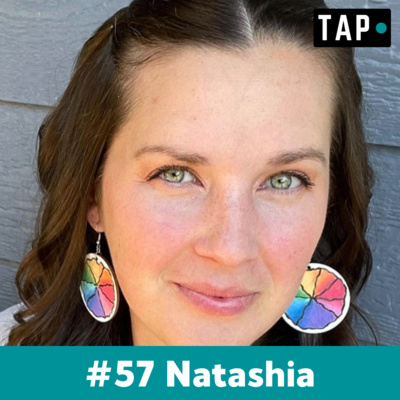
Autism Sensory Adjustments For Autistic Adults And Children
Natashia runs the @iwanttotellyoubooks Instagram account, a take on Autism parenting that focuses on Neurodiversity-affirming, Autistic expert informed parenting. Natashia works on encouraging sensory adjustments in school and at home, highlighting the importance of teaching self-advocacy, a strength-based social model of disability approach, and teaching self-regulation.
Natashia's Insta - https://www.instagram.com/iwanttotellyoubooks/ [https://www.instagram.com/iwanttotellyoubooks/] // My Links - https://linktr.ee/thomashenleyUK [https://linktr.ee/thomashenleyUK]
Dbud Noise Cancelling Adjustable Ear Buds - https://dbud.io/thomashenley [https://dbud.io/thomashenley]
Thomas kicks off the episode by thanking his listeners for making the podcast the World's #1 Autism podcast, and a show in the top 2% of all podcasts!
Natashia and Thomas soon get into the differences between her style of content vs some of the overly-personal content from other Autism parents, highlighting the importance of humility and an open mind when entering into the Autistic adult communities online. Natashia sadly conformed to the 'expert advice' from professionals and OTs, seeing negative consequences in her own son... and seeking to shift the perspectives of other Autism parents going through the same experiences.
They start off by addressing the importance of sensory supports and environmental adjustments in home, work, and school environments; the conversation seemed to highlight the importance of sensory adjustments on well-being and productivity for Autistic adults and children. Experts and teachers seem to be highly adverse to accepting sensory accommodations, often touting 'no adjustments in the real world' as a reason not to accommodate... which we all know is entirely possible in adult life.
Everyone has sensory needs, neurotypical or Autistic, and although sensory differences are highly linked to Autism, Sensory Processing Disorder (SPD) can occur in allistic (non-autistic) individuals. The two list a variety of environmental adjustments anyone can use in the home to make their space less overloading, but also highlight a plethora of sensory support items that both Autistic adults and children can use to mitigate uncontrollable sensory inputs in public:
Therapressure brushes, galaxy projectors, fibre optic lights, water features, chewable jewelry, shades, blue light glasses, earbuds/defenders, acupressure rings, compression clothing, joggers/trainers, soft hoodies/hats, weighted blankets, vibrating massagers, soft blankets, fidget spinners, fidget cubes, fans, white noise machines, wobble cushions, lotions, disco lights, colour changing bulbs, and sensory swings... to name a few!
Thomas talks about his experiences with sensory joy with theme park rides, stimming equipment, and spinning... pointing out the euphoria and relaxation this offers him as an Autistic adult. No episode would conclude without highlighting some adjustments that public spaces and workplaces can make spaces more inclusive to those with sensory differences -
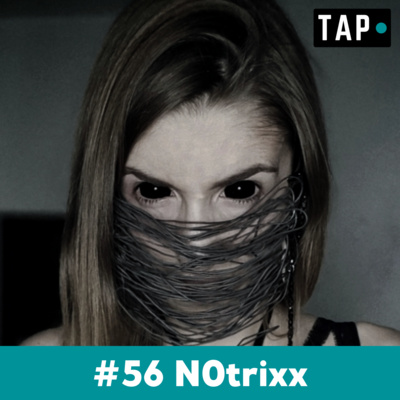
The Story and Stigma Of DID (Dissociative Identity Disorder) with N0trixx
@N0trixx is a dark trap artist and music producer seeking to share her stories to contribute to awareness of Dissociative Identity Disorder and mental illness. With a multitude of different creative talents, N0trixx not only dabbles in the dark side of life, but she's also experienced it, which is reflected in her modeling, graphics, and of course… her music.
N0trixx Links - linktr.ee/n0trixx // My Links - https://linktr.ee/thomashenleyUK [https://linktr.ee/thomashenleyUK]
Thomas starts off the episode by sharing his experience of once believing he had multiple identities, something he later understood as a product of Autistic Alexithymia. N0trixx gives us a brief overview of how Dissociative Identity Disorder can occur, before diving into the more relatable aspect of DID… dissociation. Thomas explains the two types of dissociation which are depersonalisation and derealisation, something very common to the autistic experience of shutdowns and even during moments of alcohol intoxication.
N0trixx takes us through her DID journey, starting at the earliest traumatic event in her teenage hood, and how her emotionally repressed home environment forced her to bury her negative emotions away. Shifts between DID alters were initially a well-oiled machine, but after years of repression of her 'dark' alter another traumatic event triggered a full switch. N0trixx was the identity that took control for the first time in a long time.
Originally a pragmatic and conscientious Wall Street investment banker with a well-established social network and family… N0trixx soon found herself deep within another woman's life. Finding passion and drive in creative writing and music, something contrary to her other alters personality and skills. Leaving her successful job due to lacking the skills/knowledge required, she pursued her creative endeavors and started the N0trixx project to raise awareness of DID.
Throughout numerous attempts by family and friends to remedy her situation and dismiss her diagnosis… specialists and Doctors only confirmed her diagnosis of DID. The two end on speaking about the stigma around DID as a diagnosis, mainstream representation in films like 'Split', cases of using DID to avoid criminal charges, and alleged online 'fakers'.
If you believe people are faking DID online, it's either likely that they are doing so for their own recovery journey, want to raise awareness, or have a complex diagnosis of Munchausen's Syndrome. It's best not to air opinions on the legitimacy of their diagnosis unless you are a licensed professional with an awareness of their psychological records. You could be contributing towards a stigma that already impacts those with DID on daily basis, or be harassing someone with a variety of other complex issues and mental illness.
Whether you believe in DID or not, the two share some eye-opening facts and comparisons that may shift you to the former.
Song Of The Day (Listen Here) - https://open.spotify.com/playlist/5UDIyN5TSYN4zMcRoQPrG8?si=9255ed3480d840b5 [https://open.spotify.com/playlist/5UDIyN5TSYN4zMcRoQPrG8?si=9255ed3480d840b5]
Interview me, 1:1 Autism c
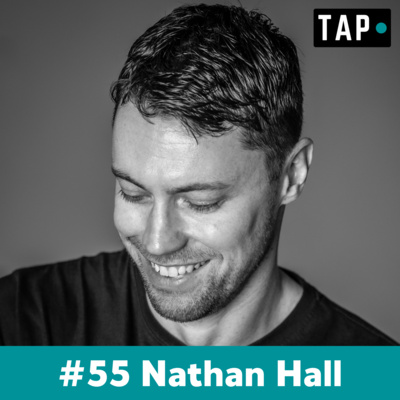
The Strength Of Autism - Self-Improvement On The Spectrum with Nathan Hall
Nathan Hall (@ThePhysioBox) is an ex-professional Taekwondo fighter, NHS high-security hospital ward worker, and physiotherapist based out of Manchester, UK. With a master's degree in strength and conditioning and a flair for lifestyle coaching, Nathan seeks to share his knowledge of sports with the world.
Nathan's Website - https://www.thephysiobox.net/ [https://laurenmelissaellzey.com/] // My Links - https://linktr.ee/thomashenleyUK [https://linktr.ee/thomashenleyUK]
This podcast episode is filled with useful lessons for Autistic adults who are struggling to move forward with their lives and manage the expectations of the neurotypical world held against them.
Nathan Hall describes his journey to an Autism and ADHD diagnosis in his early 30s, and the two bond over their mutual experiences with the world of martial arts. Nathan started his athletic journey at the young age of 5, quickly finding a special interest in the sport and an attraction to the merit-based social landscape of Taekwondo training and competition. He was a part of the 2nd cohort of professional Taekwondo fighters in the United Kingdom and received numerous decorated medals throughout his life.
The two contemplate the difficulty of understanding your traits as an individual with a dual diagnosis (AuDHD), and how these labels can be used as support from the medical system, but also a source of identity and validation for many people. Thomas raises how the social systems and norms in place can make it difficult to advocate for your needs and succeed in life as an autistic person.
Nathan is a big advocate for self-employment, touting the autistic experience of hyper-focussing on subjects of interest as a useful way to specialise within the working world. The conversation around the importance of knowing yourself and having a clear goal in life provided insight into how a growth mindset allows you to craft a life and an outward persona you feel best represents who you are.
They talk about managing relationships with neurotypical individuals, highlight the common phase of 'hating neurotypicals' that many autistic people experience due to negative school experiences… and also how the traps that come with trusting and assuming the best intentions can end badly. Thomas describes shades of grey involved with all aspects of life, and how rigid life outlooks or mottos can be very ineffective for the complex experience of life.
They end on an inspirational and validating conversation about how socially set milestones, social expectations, and social media can warp your view of what you should be achieving at different ages in life. It can often feel suffocating, demoralising, and pressuring to fit into the molds others prescribe to us… often these can stop us from living life at our own pace and creating the beginning of our own success stories in life.
We see the athletes on the podium, hear the successful speakers/entrepreneurs, and get the impression their life has been perfect, with no lows, no boring/difficult months of training, and with general life success… but that's not the case and it's ok not be at your 'peak' n
Autistic Stimming and Sensory Joy with Autienelle
TW - Self-injury, Meltdowns
Lauren Melissa Ellzey (@Autienelle) is a popular Instagram influencer (85k followers), author and self-advocate focussing on autistic-centred coping strategies. With a neutral-positive attitude towards Autism, Autienelle hosts the yearly RED Instead Instagram livestream during World Autism Awareness Day which provides a space to those overwhelmed and saddened by media or campaigns propagated by certain Autism organisations.
Autienelle's Website - laurenmelissaellzey.com/ // My Links - linktr.ee/thomashenleyUK
They kick off the episode diving into Autienelles RED Instead livestream event and quickly dive into the world of gaming. Autienelle talks about their new venture into the world of Twitch streaming, focusing on the game Stardew Valley and chatting about everything Autism.
Stimming is a repetitive, self-soothing action that receives a lot of stigma and shame from parents, professionals, autistic adults, and the wider online communities. Its primary use is for regulating emotion, be it positive or negative, and isn't to be confused with sensory joy. Autienelle takes us through the 8 senses and offers different examples of autistic stimming, as well as combinations through multi-sensory stimming.
Thomas Henley and Lauren Melissa bond over their mutual love for vestibular (balance) and proprioceptive (body awareness) stimming, something that is very common, but not well known about. The two theorise about how autistic hypersensitivities and hyposensitivities may influence which stims people do to regulate, and which ones may provide sensory joy.
Under the surface, sensory systems are even more complex than just visual or just vestibular; each sense has different aspects to them, and different types of nerves for separate functions. The complexity of these systems and the individuality of each autistic person lend to a very different sensory profile but also preferred stimming methods.
Diving into the deep end, Thomas talks about his experience with harmful stimming and self-injury during his adolescence. Autienelle highlights the importance of being aware of or logging different stims that are common to each situation and emotional state. Understanding your stims can be an eye-opener for how autistic people express emotions externally, allowing others to focus on these signs rather than indirect communication like facial expressions, tonality and body language.
They end the podcast talking about the common reservations people have around stimming, whether it's fear of attention, anxiety, learned suppression, or shame… but stimming can be big or small, and there are many options for stimming which can be used in public or private spaces.
Song Of The Day (Listen Here) - open.spotify.com/playlist/5UDIyN5TSYN4zMcRoQPrG8?si=9255ed3480d840b5
Interview me, 1:1 Autism coaching, public speaking for events, workplace training - www.thomashenley.co.uk [https://www.thomashenley.co.uk/]
Autism and Emotions with Autism From The Inside (Paul Micallef)
Paul Micallef (Autism From The Inside) is a popular autistic creator, speaker, and coach on YouTube, recently becoming the largest Autism-related channel at 238k subscribers in March 2023. Born out of Melbourne Australia, he seeks to make Autism education and personal development more accessible to autistic individuals, their partners, parents, and professionals.
Paul's Links - autismfromtheinside.com.au/ // My Links - linktr.ee/thomashenleyUK
Thomas starts the episode by diving into Paul's history, making his mark on YouTube with a charity video where he shaved off his signature dreadlocks. Autism From The Inside explains the strange rise in social invitations, conversations, and connections during his dreadlock phase… the two share a similar experience, with Thomas' story of improving his fashion sense, grooming, and physique.
Many autistic people believe logic is KING, especially when compared to seemingly illogical emotions. Thomas and Paul share that they tried to think their way into understanding the social/emotional aspects of life through careful observation from the sidelines… realising that many people do things that feel good, just for the sake of feeling good, and not necessarily following contemplation by weighing up the pros and cons!
Emotional needs are difficult to meet as an Autistic person, with Alexithymia, social issues, and a lack of cognitive empathy… it's easy to see why we tend to focus on logic and 'blanket approaches' to dealing with negative emotion. The two agree that socialising is the primary way most humans go about managing complex emotions and events, making it difficult for autistic people to meet those needs independently.
Autism From The Inside explains the concept of Code Switching, whereby complex social interactions with neurotypicals can be navigated through learning about our cognitive/emotional differences and finding ways to relate to and socialise successfully with neurotypicals. Whilst navigating neurotypical communication is useful for daily life, workplaces, and socialising, Thomas highlights that there are a lot of situations where neurotypicals can and should meet us halfway.
Paul talks about the utility of fast emotional VS slow logical thinking, and how many autistic people will run into issues with executive functioning, social anxiety, and overwhelm when they don't use their emotional brain for smaller tasks.
They end their podcast by speaking about the strange positive of Alexithymia in crisis situations, but also the issues when it comes to placing boundaries, building verbal trust, and navigating the social world.
Song Of The Day (Listen Here) - open.spotify.com/playlist/5UDIyN5TSYN4zMcRoQPrG8?si=9255ed3480d840b5
Interview me, 1:1 Autism coaching, public speaking for events, workplace training - www.thomashenley.co.uk [https://www.thomashenley.co.uk/]
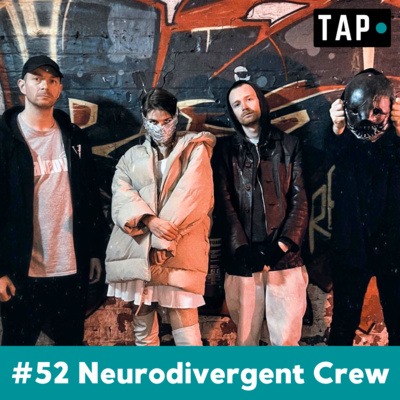
Neurodiversity and Creativity - Group Special
TW: Mental illness, Loss, Addiction
The Neurodivergent Crew is a collection of four neurodivergent artists who seek to express their neurodivergence and life stories through music. N00trix is a dark trap artist and producer, 12-Gauge is a rap artist, FMA is a metal vocalist and Dreadn0ught is the man behind their beats.
In this special group episode, Thomas interviews these four guests about their life stories, their music background, and how creativity has brought a positive influence on their lives.
NDC Links - linktr.ee/neurodivergentcrew // My Links - linktr.ee/thomashenleyUK
Thomas starts off the episode by introducing the guests and diving into their music background: FMA used to perform live metal music on stage, but found that his son 12-Gauge had taken a shine to rap music; they started living together and talk about their first father-son duo experience at 12-Gauges young age of 15. A previous drummer, Dreadn0ught was introduced to the group whilst studying media at University, and N00trix was the final piece in the puzzle. N00trix contacted the triple over Instagram, instantly finding common ground and providing a production role to bring in the group's talents together.
Diving into their personal history, N00trix explains the defining moment where her personality split in two through Dissociative Identity Disorder (commonly termed as multiple personalities). She explains how the stigma of the disorder separated her from her family and previous life, but also ignited her passion to share her more pessimistic and dark outlook on life… through music.
FMA talks about his experience with a very late Autism diagnosis, as well as his experience with addiction and rehabilitation through his 20s and 30s. His son 12-Gauge, explains the impact that undiagnosed Dyslexia and bullying had on his school experience and his own self-confidence. He was fortunate to have FMA as a father figure, allowing him to dodge the addiction traps his father succumbed to in his youth. Thomas bonds with the two on this due to his history of alcoholism and exercise addiction.
Dreadn0ught opens up about his experiences with ADHD, stating that it was important to know for his own understanding, and not necessarily therapy. Plunging into deep mental illness and addiction following his friend's passing at University, he remarks on the existential loneliness he experienced at University.
With all the experiences discussed, they finish by talking about the impacts their individual neurodivergencies had on their music career in the present day. This is undoubtedly a big dive into Neurodiversity, as well as all the many strings that connect them together and what the crew to brought them into the music scene… I hope you enjoy it!
Song Of The Day (Listen Here) - open.spotify.com/playlist/5UDIyN5TSYN4zMcRoQPrG8?si=9255ed3480d840b5
Interview me, 1:1 Autism coaching, public speaking for events, workplace training - www.thomashenley.co.uk [https://www.thomashenley.co.uk/]
How Autism Changes Eating Disorders
TW: Mental health and eating disorders
Livia Sara (@Livlabelfree) is a late-diagnosed Autistic coach, writer, and podcaster. Specialising in helping individuals reframe labels and identity to help them process and recover from their eating disorder. Liv has two books in the making, one being a Neurodivergent-focused cookbook 'Nourishing Neurodiversity' (released 21/02/23) for helping people nourish their body and mind in a simple and delicious way (see link.tree below).
Liv's Links - www.livlabelfree.com/links // My Links - linktr.ee/thomashenleyUK
Thomas kicks off the episode with a nod to Valentine's day before a swift transition to Liv's background; Livia opens up about her experiences with Anxiety, Depression, OCD, and Anorexia through her many years in and out of the medical system. She found that Autism was the missing element in her recovery journey, causing her to actively fight back against assumptions of 'Eating Disorder Behavior' by ignorant Psychologists.
Labels are a common topic within the Autism space, but Liv claims that labels around eating disorders can be restrictive on growth. Addiction becomes a habit and eventually a part of your identity, and once it's there it can be hard to separate from. Liv explains how her ED label was a source of certain comfort, a part of who she thought she was, and something that required a lot of uncomfortable change to distance herself from it and recover.
They talk about the issues around BMI, BMR, and Somatotypes in the medical and biological realms before moving on Autism and Eating Disorders. It seems that a few factors may be responsible for the high occurrence rates, Interoception, anxiety disorders, vagal nerve function, routine, aversion to change, literal interpretation, and ARFID (Avoidant Restrictive Food Intake Disorder).
Thomas and Liv debate the legitimacy of professionals without an open-minded approach, trust in clients, and input from lived experience. They talk about their own personal journies through healthcare, touching on the important qualities to look for in a good therapist, and leaving on some practical changes they would like to see in the future.
Song Of The Day (Listen Here) - open.spotify.com/playlist/5UDIyN5TSYN4zMcRoQPrG8?si=9255ed3480d840b5
Interview me, 1:1 Autism coaching, public speaking for events, workplace training - www.thomashenley.co.uk [https://www.thomashenley.co.uk/]
Autism Reasonable Adjustments In The Workplace
Carrin M. Gilmore (@letstalkaboutautism [https://www.instagram.com/letstalkaboutautism/]) is an Autism advocate offering Advocacy Accommodations sessions and support for parents and their children in developing IEP (Individual Education Plans). Working closely with Carole Whittington at Mind Your Autistic Brain, Carrin and the team seeks to bring greater inclusivity in the workplace, help neurodivergent couples connect on a deeper level and support neurodivergent individuals in their unmasking journey.
Carrin's Links - linktr.ee/CarrinMWAut // My Links - linktr.ee/thomashenleyUK
Originally an English teacher, Carrin seeks to bridge the gap between deficit models in the workplace and person-centred models in education. They talk about the various accommodations one can expect in the workplace, one of which is being fired (yes... you read that right, it's actual advice for workplaces!).
Thomas and Carrin paint a picture of the individuals who deal with the hand they are dealt in the workplace, highlighting the daily issues with energy, sanity and time management that could be avoided with accommodations. The system works using a Deficit Model, rather than a Strength-Based Model, providing cookie-cutter, blanket solutions for each and every individual - but needs are a spectrum.
Thomas raises the common charity-based thinking around employing Autistic people, with both offering their takes on the benefits these individuals have for businesses... beyond 'charity'.
Carrin lists some common adjustments: Work coaches, giving adequate processing time, clear and concise language, lists/bullet point instructions and CLEAR lines of communication for certain issues. However, these are NOT mandatory and even if they are met, positive adjustments offered the clearest path for Thomas' long-term employment success.
At the end of the day, the employment rates for autistic people are depressing at least, but there are gems out there who are willing to go the extra mile for their employees who are willing to work with them cooperatively and with the understanding that support is a two-way street.
Song Of The Day (Listen Here) - open.spotify.com/playlist/5UDIyN5TSYN4zMcRoQPrG8?si=9255ed3480d840b5
Interview me, 1:1 Autism coaching, public speaking for events, workplace training - www.thomashenley.co.uk [https://www.thomashenley.co.uk/]
Autism, PTSD and c-PTSD with Dr Megan Neff
Are Autistic people more sensitive to c-PTSD? How is PTSD treatment different for Autistic individuals? What's the difference between PTSD and c-PTSD?
Dr Megan Neff (@Neurodivergent_Insights) is a Clinical Psychologist in private practice (USA, Oregon) working with neurodivergent adults focusing on neurodiversity-affirming assessments and psychotherapy. Megan gained 100k+ followers on Instagram with her unique content on misdiagnosis, highlighting the overlap between neurodiversities, but also with her comprehensive workbooks through the Patreon platform.
Megan's Links - linkin.bio/neurodivergent_insights // My Links - linktr.ee/thomashenleyUK
Diagnosed at 37 with Autism and later with ADHD, she felt encouraged to explore her own neurodiversity following the diagnosis of her daughter. Thomas and Megan touch on the overlap between these two neurodiversities, and how individuals can be thought of as ADHD or Autism dominant depending on their presentation. For Megan, ADHD was hard to spot due to her lifestyle being based around her special interests.
Dr Megan Neff starts by giving us a comprehensive list of PTSD criteria and the complex world of c-PTSD... highlighting how autistic individuals often don't meet certain criteria around significant traumatic events, and how the fear response related to PTSD can be amplified by our neurology. Megan describes how c-PTSD can be developed, talking about how existing chronically unsafe environments during childhood could sensitise the fear centre of the brain (amygdala).
Touching on Philosophy and existential crisis, the two theorise about why Autistic people are more prone to these '4th wall break' experiences. Megan goes on to tell us about the disparity between PTSD and Autism statistics, and how this leads to a wide estimate of PTSD occurrence among the autistic population - even in the lowest conservative estimations, autistic individuals are at least 10x more likely to develop some form of PTSD.
Dr Neff points to a few reasons why autistic people are more likely to develop PTSD: Higher rates of victimisation, more reactive nervous systems, higher emotional and sensory sensitivity, as well as stronger and longer cortisol responses (stress hormone).
Thomas inquiries about the treatment options, highlighting the issues around medication and neurotypical-focussed psychotherapy - they talk about possible therapy, medication and alternative treatments like Biofeedback, Vagal Nerve Stimulation, EMDR and Personal Family Systems work.
Song Of The Day (Listen Here) - open.spotify.com/playlist/5UDIyN5TSYN4zMcRoQPrG8?si=9255ed3480d840b5
Interview me, 1:1 Autism coaching, public speaking for events, workplace training - www.thomashenley.co.uk [https://www.thomashenley.co.uk/]
Autism In Women with Mom On The Spectrum
Taylor Heaton (@taylor_heaton_ [https://www.instagram.com/taylor_heaton_/]) is the owner of the popular Autism YouTube channel Mom On The Spectrum which is closing on 40k subscribers at the time of recording. Taylor also coordinates peer support groups and does group and 1-2-1 coaching with Autistic clients across the globe.
Taylor's Links - linktr.ee/Hikihttps // My Links - linktr.ee/thomashenleyUK
Diagnosed at 31 with Autism, as well as ADHD and Generalised Anxiety Disorder, Taylor goes into the reasons she started her YouTube channel and how being open on the internet helped her accept and explore her own diagnosis.
They kick off the conversation they dive deep into their experiences at high school, being overachievers and subject to bullying in school, they talk about the manipulation and social harassment they experienced from neurotypical women in their schools. Taylor explains the issues around puberty, particularly the emotional, hormonal and physical changes to women's bodies that can really aggravate someone sensory-wise.
Mom On The Spectrum talks about her experience of social expectations as a woman in Texas, being expected to host, cater and open her house to people in the area - something I think many Autistic people would find overwhelming. She goes on to talk about the tendency of other women to gossip about others, and how uncomfortable it made her feel to be a part of it.
Maintaining friendships and relationships can be a difficult task for many autistic individuals, especially with a neurotypical partner who doesn't understand the ins and outs of Autism. Thomas and Taylor highlight the issue of managing your own social battery with the needs of people in their lives.
Neurodiverse relationships and dating provide a whole host of difficulties... struggling to navigate flirting, reading cues of interest, managing physical touch needs and double empathy. They both agree that all relationships require lots of communication, but neurodiverse relationships may require a lot more work from both sides.
Song Of The Day (Listen Here) - open.spotify.com/playlist/5UDIyN5TSYN4zMcRoQPrG8?si=9255ed3480d840b5
Interview me, 1:1 Autism coaching, public speaking for events, workplace training - www.thomashenley.co.uk [https://www.thomashenley.co.uk/]
Autism In Online Dating With Hiki - The Autism Dating App
Jamil Karriem (@HikiApp [https://www.instagram.com/hikiapp/]) is the owner of an Autism dating app called Hiki, released in July 2019. Featured in a Forbes magazine, Jamil was inspired to create the dating app when his Autistic cousin expressed difficulty in finding friendship and love. Within the episode, we talk all about his creative spin on the co-produced design of this autism dating app and how he's created a dating app for autistic people, designed by autistic people.
Hiki's Links - linktr.ee/Hiki // My Links - linktr.ee/thomashenleyUK
Kicking off the conversation they talk about their workplace experiences and changes during the pandemic, as well as the importance of interpersonal relationships for autistic individuals. With a background in sociology research, Jamil explains the reality facing many autistic people - loneliness, isolation and significant mental health issues. Self-reported success rates in dating and making friends seems to be highly concerning.
Thomas mentions what his experience of online dating has been like as an autistic man and how apps like Tinder, Bumble and Hinge can be difficult to navigate. Through a lot of community-based service design and a team made up of 80% Autistic adults, Jamil believes Hiki is the solution.
Jamil's role as a neurotypical CEO is to empower his team and community to design and run the Autism dating app, taking a backseat and supporting his co-workers to make change happen. He believes that diversity in an organisation is important for adding to the melting pot of ideas, solutions, and experiences... and he is right, but only when the business is inclusive and supportive of all its employees.
The contrast between 'real life' and online interactions can be very jarring and complex to understand. Men in general tend to struggle due to the volume of male users on these apps, but they can inspire plentiful levels of self-doubt. Autistic people may struggle much more in understanding the complex world of online dating, whether to disclose your autism upfront or pick up on the signs someone is dangerous.
Hiki seeks to be different to mainstream dating apps, providing a safe space for community, friendship and love. Inclusive to all genders, non-binary individuals, LGBTQA+ members and much more... Jamil celebrates each and every success story emailed in. Hiki also seeks to further improve the user experience for autistic people in the future, allowing them to feel comfortable in experiencing all aspects of social life.
Song Of The Day (Listen Here) - open.spotify.com/playlist/5UDIyN5TSYN4zMcRoQPrG8?si=9255ed3480d840b5
Interview me, 1:1 Autism coaching, Public Speaking for events, workplace training - www.thomashenley.co.uk [https://www.thomashenley.co.uk/]
Autism and Rap Music
Autism and Asexuality
PJ Âû (@pj_au_ [https://www.instagram.com/pj_au_/?hl=en#]) is a US-based Autism advocate in modeling, acting and singing. Not only a multi-award-winning individual, PJ volunteers her time to support autistic people in her community to locate the support and help that they need. Although not her main focus, asexuality is part of who she is and relishes in the opportunity to provide representation for the ACE community.
PJ's Links - linktr.ee/pj_a [https://linktr.ee/pj_au_] // My Links - linktr.ee/thomashenleyUK
In this episode of the Thoughty Auti Podcast, Thomas Henley talks to PJ all about asexuality and its range of subgroups of individuals within the ACE spectrum; they also touch on the link between Autism and asexuality, and bond over the difficulties and realities of dating as a member of the ACE community.
They start the conversation by bonding over their difficulties with Speech Apraxia and 'Selective' Mutism and how this encouraged PJ to focus more on modeling than her acting career. Todd from Bojack Horseman was mentioned multiple times, due to the representation his character gave the community as a male, Hispanic and asexual individual.
PJ painfully tries to describe to Thomas the different sub-categories of Asexuality and jargon, which sparked up a conversation about the barriers to entry for learning about new topics like Autism.
Thomas introduces his theories on why Autistic people are more likely to be asexual, such as sensory differences and indirect communication... but they both agreed that everyone's situation and the meaning don't require explanation to be valid, however interesting to delve into. Pj quoted over 50% of Autistic people identifying as on the ACE spectrum, and anywhere north of 70% for landing anywhere within the LGBTQA+ community.
PJ opens up about her Hollywood'esque experience of meeting her now husband; after talking online and following each other's Cold Play Tumblr accounts for years they took a leap of faith and decided to give their relationship a go. They are a happily married s*x-repulsed Asexual couple.
They end up talking about the common criticisms, stereotypes and comments asexuals have to deal with online and within interpersonal relationships. Agreeing that asexuality is a useful label, NOT something to do with garnering attention or having a libido, and something extremely useful to label yourself as when navigating the tumultuous world of dating!
Song Of The Day (Listen Here) - open.spotify.com/playlist/5UDIyN5TSYN4zMcRoQPrG8?si=9255ed3480d840b5
Interview me, 1:1 Autism coaching, Public Speaking for events, workplace training - www.thomashenley.co.uk [https://www.thomashenley.co.uk/]
Ableism In The Workplace
Purchase The Autism Friendly Cookbook [https://uk.jkp.com/products/the-autismfriendly-cookbook] from JKP - Use code AUTBOOKINSTA20 for 20% off
Lydia Wilkins (@Journo_Lydia) is a freelance journalist with works published in renowned newspapers like the Metro, Refinery 29 and The Independent. Being a core member of the Conscious Being Magazine team and a contributor to the Conscious Being Podcast, Lydia seeks to shed light on topics around disability and social justice issues.
In this episode of the Thoughty Auti Podcast, Thomas Henley talks to journalist Lydia all about ableism, disability and Autism in the workplace. Lydia tells us about her dealings with the DWP and difficulties with receiving PIP (Personal Independence Payment), which was the ignition for the writing of the 'Autism Friendly Cook Book' - published recently this year, with previous TAP guest @21andSensory contributing her amazing illustrations to the final product!
They start the conversation by bonding over their frustration at the BBC Journalism Apprenticeship scheme, which was abruptly cancelled at the final stage during the COVID pandemic.
Thomas enquiries about Lydia's experiences with workplace ableism, with both highlighting examples of Direct and Indirect Ableism and how they interplay with other workplace issues such as autistic infantilisation, bullying, isolation, misogyny, microaggressions, pigeonholing, tokenisation and abuse.
Both agree that modern organisations focus on DIVERSITY but not INCLUSION - meaning there's lots of action through employment, but a lack of long-term job satisfaction and inclusion practices that bring the most out of those employees. Thomas sheds a light on the clear Deficit Model being used to guide inclusive practices like Reasonable Adjustments, and how pivotal a Strength-Based Model can be for the individual and organisation.
In order to fight ableism, the two suggest ideas on how we can improve the working world for disabled people: Incorporating training with Experts-By-Experience rather than just professionals, strengthening the Equality Act around reasonable adjustments, and shifting the mindset...
Employing Autistic people is NOT a charity effort, it's actually a very sound investment in the future of a business!
Lydia's Links:-
Website - lydiawilkins.co.uk/
Instagram - www.instagram.com/journo_lydia/
Song Of The Day (Listen Here) - open.spotify.com/playlist/5UDIyN5TSYN4zMcRoQPrG8?si=9255ed3480d840b5
▬▬▬▬▬▬▬▬▬▬▬▬▬▬▬▬▬▬▬▬▬▬▬▬▬▬▬▬▬▬▬
Website - www.thomashenley.co.uk [https://www.thomashenley.co.uk/]
♫ THOUGHTY AUTI PODCAST - open.spotify.com/show/ [https://open.spotify.com/show/6vjXgCB7Q3FwtQ2YqPjnEV]6vjXgCB7Q3FwtQ2YqPjnEV [https://open.spotify.com/show/6vjXgCB7Q3FwtQ2YqPjnEV]
FOLLOW ME On Social Media ♥ -
☼ Instagram - @thomashenleyUK [https://www.instagram.com/thomashenleyuk/]
Autistic UFC Fighter Vince The Anomaly - Autism In Combat Sports
Vince The Anomaly was a bantamweight UFC fighter with 7 wins, fighting out of Los Angeles California, and born in Kaneohe, Hawaii. Vince works with Shane Fazen, the owner of a 3M+ subscriber YouTube channel called Fight Tips where he produces educational videos on MMA.
In this episode of the Thoughty Auti Podcast, Thomas Henley talks to ex-UFC fighter Vince The Anomaly about his experiences in and out of the cage, and how being a late-diagnosed Autistic impacted his professional career.
They kick off the episode talking about Vince's fighting career and how he rose up the ranks despite his starting age - Thomas talks about his experience as a top-performing Taekwondo athlete, and how the point-scoring system is a lot different from MMA.
Diagnosed this year (2022) Vince found out that his good friend in the UFC John Doomsday Howard was also pursuing a diagnosis. He recalls the difficulty of hiding his issues and mental health illness as a fighter and as a man. Following his retirement, he faced a difficult 6-month-long depressive period due to his lost persona as a fighter, but now relishes in the freedom retirement has given him.
Vince opens up about the disconnection and anxiety he felt in the education system, and how like Thomas, fighting was an outlet for the pain and issues he faced in daily life. Although he thrived in the fighting game, he also recalls how the disorder after a competition was the most difficult... shutdowns and meltdowns were all related to transitions and lack of routine.
Marketing and the social arena are irremovable components of a fighting career, and this is an area that Vince struggled with. Discipline, pattern-seeking, focus, and quick learning were all things that enhanced his ability as a fighter - Vince attributes many of these things to being Autistic.
They end by highlighting the positives of starting a combat sport, and the subtle ways in which fighting ability can enhance your confidence and feeling of safety in public spaces.
Vince's Links:-
Website - vincetheanomaly.com/
Instagram - www.instagram.com/vincetheanomaly/
Song Of The Day (Listen Here) - open.spotify.com/playlist/5UDIyN5TSYN4zMcRoQPrG8?si=9255ed3480d840b5
▬▬▬▬▬▬▬▬▬▬▬▬▬▬▬▬▬▬▬▬▬▬▬▬▬▬▬▬▬▬▬
Website - www.thomashenley.co.uk [https://www.thomashenley.co.uk/]
♫ THOUGHTY AUTI PODCAST - open.spotify.com/show/ [https://open.spotify.com/show/6vjXgCB7Q3FwtQ2YqPjnEV]6vjXgCB7Q3FwtQ2YqPjnEV [https://open.spotify.com/show/6vjXgCB7Q3FwtQ2YqPjnEV]
FOLLOW ME On Social Media ♥ -
☼ Facebook - Thomas Henley [https://www.facebook.com/thomashenleyuk/]
☼ Twitter - @thomashenleyuk [https://twitter.com/ThomasHenleyUK]
☼ Instagram - @thomashenleyUK [https://www.instagram.com/thomashenleyuk/]
The Autistic Filmmaker
Scott Klumb (The Autistic Filmmaker) is a multi-award winning videographer with an inspiring story and a difficult past.
In this episode of the Thoughty Auti Podcast, Thomas Henley talks to Scott about his experience overcoming addiction, finding the autistic community and his rise to glory in the film industry.
Scott recalls back to the time he started his filming career where he made a name for himself as a winter sports videographer... before breaking his back, both arms, knee, hip, wrist, foot and eye socket. Eventually, he followed through with his dream and created 'Autism - One Mans Journey' which received a lot of positive reviews, multiple awards and features at film festivals.
His filming style didn't fit in during his film course at University, but it's what made him stand out. He highlights that although he didn't finish his degree, it didn't affect his job prospects... creating another documentary a few years later called 'Thriving On the Spectrum' which was made in collaboration with the autistic community in Colorado during the COVID-19 pandemic - of course becoming a huge success with even more awards than before.
Scott opens up about his experiences with bullying, isolation, mental health, psych ward visits and self-injury during his adolescence, and how he used drugs as a way to fit in and avoid negative experiences. He was diagnosed with PDD-NOS at 23 y/o instead of Aspergers Syndrome because he made money off his passion/special interest… autism gate-keeping much? - he couldn't even get benefits due to this incorrect diagnosis.
With 10 years of sobriety as well as his decade long 'rock bottom', he recalls his issues with grieving 4 of his close friends following extreme sports injuries. Due to the horrible events happening to his friends and a shooting which occurred in his local coffee shop, he began to question his beliefs in God and fell into nihilistic despair. He used his extensive supply of medication as a crutch during this time, and highlights just how awful the side-effects and interactions were.
They end by talking about the shockingly low Autistic representation in film and TV, highlighting the recent controversy with Sia's movie... offering hope for aspiring filmmakers, actors, and autistic individuals wanting to make their dream a reality.
Scott's Links:-
Website - www.scottklumb.com/
Instagram - www.instagram.com/smkmedia/?hl=en
Song Of The Day (Listen Here) - open.spotify.com/playlist/5UDIyN5TSYN4zMcRoQPrG8?si=9255ed3480d840b5
▬▬▬▬▬▬▬▬▬▬▬▬▬▬▬▬▬▬▬▬▬▬▬▬▬▬▬▬▬▬▬
Website - www.thomashenley.co.uk [https://www.thomashenley.co.uk/]
♫ THOUGHTY AUTI PODCAST - open.spotify.com/show/ [https://open.spotify.com/show/6vjXgCB7Q3FwtQ2YqPjnEV]6vjXgCB7Q3FwtQ2YqPjnEV [https://open.spotify.com/show/6vjXgCB7Q3FwtQ2YqPjnEV]
FOLLOW ME On Social Media ♥ -
☼ Facebook - Thomas Henley [https://www.facebook.com/thomashenleyuk/]
☼ Twitter - @thomashenleyuk [https://twitter.com/ThomasHenleyUK]
☼ Instagram - @thomashenleyUK [https://www.instagram.com/thomashenleyuk/]
The Aspie World On Becoming An Autistic Parent
The Aspie World (Dan) is a well-known YouTuber, Content Creator, Podcaster and Autism advocate with over 16.4 MILLION views and 207k SUBSCRIBERS at the time of this recording.
In this episode of the Thoughty Auti Podcast, Thomas Henley talks to The Aspie World about his experiences becoming an Autistic parent, what support is there for Autistic parents, and what difficulties or positives you may expect when having an Autistic child.
Breaking into the conversation, they talk all about The Aspie World's YouTube journey, why he started and some of recent videos that have gone viral on TikTok - a video about fluorescent light flickers which garnered over 500k views.
Thomas mentions that he is afraid of the duties that come with being a parent, as well as the issues an autistic child may face from mental health or negative life experiences. We know life-quality is a MASSIVE issue in the Autistic community, and it's not always something the parents can control fully. Dan talks about the experience of becoming a father and having that strong paternal bond with his Autistic child, the fear he got when his child was just born, and the anxious attachment he experienced due to the fragility of a newborn baby.
For The Aspie World... having a baby is like Autism Spoon Theory, whereby your child takes ALL OF YOUR SPOONS before it's even 9am (sounds tough). Managing sensory input from his child's verbal stims and need for attention and play has been a key difficulty for him. The initial part is the most anxiety provoking, so preparation is highly important.
He also talks about the positive effects it's had on his ability to function and cope during day-to-day activities - describing it as "putting on a bullet proof vest" when you do things that would usually cause you difficulty.
If you are worried about the parenting process, there are MANY avenues to support through: Lamaze classes, parenting workshops, walk-around's at the midwifery unit, pre-natal classes, not to mention the weekly support and active phone line for any questions during the parenting process.
Whether you are interested in becoming an Autistic parent, or looking for support as a current parent... this is the episode for you!
The Aspie World's Links:-
Website - www.theaspieworld.com/
Instagram - www.instagram.com/TheAspieWorld/
YouTube - www.youtube.com/c/TheAspieWorld
Song Of The Day (Listen Here) - open.spotify.com/playlist/5UDIyN5TSYN4zMcRoQPrG8?si=9255ed3480d840b5
▬▬▬▬▬▬▬▬▬▬▬▬▬▬▬▬▬▬▬▬▬▬▬▬▬▬▬▬▬▬▬
Website - www.thomashenley.co.uk [https://www.thomashenley.co.uk/]
♫ THOUGHTY AUTI PODCAST - open.spotify.com/show/ [https://open.spotify.com/show/6vjXgCB7Q3FwtQ2YqPjnEV]6vjXgCB7Q3FwtQ2YqPjnEV [https://open.spotify.com/show/6vjXgCB7Q3FwtQ2YqPjnEV]
FOLLOW ME On Social Media ♥ -
☼ Facebook - Thomas Henley [https://www.facebook.com/thomashenleyuk/]
☼ Twitter - @thomashenleyuk [https://twitter.com/ThomasHenleyUK]
☼ Instagram - @thomashenleyUK [https://www.instagram.com/thomashenleyuk/]
--- This episod
Autism In The Ukraine War
Aaron Bouma is a Canadian Autism advocate and military model woodworker near Woodstock New Brunswick. He is vice-chair of the panel for the National Autism Strategy, and played a key role in forming the York University Autism and Mental Health projects: Autism And Mental Health guide for autistic people.
In this episode of the Thoughty Auti Podcast, Thomas Henley talks to Aaron about his experiences supporting autistic families and individuals during the Ukraine War (2022), highlighting the issues they face and how the autistic community can aid them.
They initially converse about Aarons business 'Bouma Woodworks', where he creates small scale replicas of common military equipment/vehicles and seeks to educate the locals in the soon to be released military museum. Despite having skills in different areas, they talk about the impact martial arts have had on their life, and Thomas updates about the recovery process of his recent ACL/MCL surgery.
Getting into the meat of the episode, Aaron goes into the details of his work supporting Ukraine: Contacting autistic people/families, sharing links for refugee systems in Canada, monitoring open-sourced intelligence and fighting Russian disinformation in social media spaces. Major issues were highlighted such as: threats to life, sensory distress from shelling, big transitions, accessing medication, ARFID and those with high support needs.
Thomas asks about Autism awareness/acceptance in Ukraine and Russia; Aaron talks about how the Soviet sphere of influence impacted Ukraine, and all the governmental scale changes that were happening. Aaron talks about arrests, mortality and morbidity inflicted on LGBTQA+ individuals… and how this paints a bleak landscape for autism awareness/acceptance in Russia. Thomas agrees with this following an anonymous interview with an autistic LGBTQA+ Russian, and how their medications have been cut off.
They end by suggesting ways to support and aid autistic communities/people affected by the Ukrainian war.
Facebook group mentioned: Ukraine Autism Help [https://www.facebook.com/groups/667774194546768/]
Aaron's Links:-
Donations: Save A Life UA [https://savelife.in.ua/en/donate-en/#donate-army-card-monthly]
Instagram - Personal [https://www.instagram.com/generalbouma/] / Business [https://www.instagram.com/boumawoodworks/]
YouTube - www.youtube.com/channel/UCrBttdnpf_brCsXb5ErnQlw
Song Of The Day (Listen Here) - open.spotify.com/playlist/5UDIyN5TSYN4zMcRoQPrG8?si=9255ed3480d840b5
▬▬▬▬▬▬▬▬▬▬▬▬▬▬▬▬▬▬▬▬▬▬▬▬▬▬▬▬▬▬▬
Website - www.thomashenley.co.uk [https://www.thomashenley.co.uk/]
♫ THOUGHTY AUTI PODCAST - open.spotify.com/show/ [https://open.spotify.com/show/6vjXgCB7Q3FwtQ2YqPjnEV]6vjXgCB7Q3FwtQ2YqPjnEV [https://open.spotify.com/show/6vjXgCB7Q3FwtQ2YqPjnEV]
FOLLOW ME On Social Media ♥ -
☼ Facebook - Thomas Henley [https://www.facebook.com/thomashenleyuk/]
☼ Twitter - @thomashenleyuk [https://twitter.com/ThomasHenleyUK]
☼ Instagram - @thomashenleyUK [https://www.instagram.com/thomashenleyuk/]
Autism And Suicide - The Terrifying Mental Health Statistics
*Trigger Warning - Suicide, Self-Harm and Mental Health*
Amelia is the creator of the Autistic Positivity instagram page, a page which focuses on illuminating the issues Autistic people face, as well as spreading awareness/acceptance of common Autism topics.
In this episode of the Thoughty Auti Podcast, Thomas Henley talks to Amelia about their experiences of mental health, misdiagnosis, psych wards, suicide and the different ways Autistic people may experience mental health disorders.
Kicking off the conversation, Thomas brings to light the poor QOL statistics around being Autistic, establishing that suicide is NOT an isolated and uncommon experience. Amelia explains to us her experience being misdiagnosed Borderline Personality Disorder, Depression and Anxiety and the subsequent issues with self-harm and suicide attempts - Thomas shares his experience with these as well.
They talk about common medications they have used for depression, anxiety and psychosis and how they are often the wrong fit for Autistic people (SSRIs, MAOIs and sedatives), but also cover the ways they think Autistic people differ in their experience with mental health (Alexithymia, executive functioning, repetitive thoughts and MASKING both in therapy and life).
They highlight the many barriers to Autistic people managing and getting effective support for mental health, highlighting lack of specialised psychotherapy, education and research into these areas.
If you have an exciting or interesting story and want to appear on the next podcast, please contact me at: aspergersgrowth@gmail.com
Amelia's Links:-
Instagram - www.instagram.com/autisticpositivity/
All Links - linktr.ee/autisticpositivity
Autism Suicide Prevention Journal - ko-fi.com/s/04f3a8e22c
Song Of The Day (Listen Here) - open.spotify.com/playlist/5UDIyN5TSYN4zMcRoQPrG8?si=9255ed3480d840b5
▬▬▬▬▬▬▬▬▬▬▬▬▬▬▬▬▬▬▬▬▬▬▬▬▬▬▬▬▬▬▬
Website - www.thomashenley.co.uk [https://www.thomashenley.co.uk/]
♫ THOUGHTY AUTI PODCAST - open.spotify.com/show/ [https://open.spotify.com/show/6vjXgCB7Q3FwtQ2YqPjnEV]6vjXgCB7Q3FwtQ2YqPjnEV [https://open.spotify.com/show/6vjXgCB7Q3FwtQ2YqPjnEV]
FOLLOW ME On Social Media ♥ -
☼ Facebook - Thomas Henley [https://www.facebook.com/thomashenleyuk/]
☼ Twitter - @thomashenleyuk [https://twitter.com/ThomasHenleyUK]
☼ Instagram - @thomashenleyUK [https://www.instagram.com/thomashenleyuk/]
Support via Patreon! - www.patreon.com/thomashenleyUK [https://www.patreon.com/aspergersgrowth]
--- This episode is sponsored by · Anchor: The easiest way to make a podcast. anchor.fm/app
Mainstream Vs Special Needs Education
Late Diagnosed Autism with Purple Ella
Purple Ella is a renowned Autism, Disability and ADHD advocate with their hands in many pots; perhaps best known for their YouTube channel and social media... Ella seeks to shine a light on areas lacking in Autism awareness and holistic support!
In this episode of the Thoughty Auti Podcast, Thomas Henley talks to Ella about his experience of being diagnosed young, comparing and contrasting his experiences with Ella's experience of being diagnosed later in life.
Kicking off the conversation, they talk all about Ella's Autism Assistance Dog 'Coco' and some of the difficulties of access and social engagement that come with her. Ella informs us of their previous employment in performing arts at a circus group, and how that shaped their predilection for the online entertainment!
Post-diagnosis, Ella explains the process of looking back on their previous life experiences and realising moments where they attributed Autistic struggles to being "a bad human being". They also cover their experiences with pregnancy and their relationship with their husband, concluding with how much an Autism diagnosis made a positive impact on their collective lives.
The two talk about ways people can start Unmasking, re-writing your life narrative, accepting yourself, and processing trauma... in this AMAZING episode!
If you have an exciting or interesting story and want to appear on the next podcast, please contact me at: aspergersgrowth@gmail.com
Ella's Links:-
Website - www.purpleella.com/
YouTube - www.youtube.com/user/purplemumify
Instagram - www.instagram.com/purpleellaandcoco/
Song Of The Day (Listen Here) - open.spotify.com/playlist/5UDIyN5TSYN4zMcRoQPrG8?si=9255ed3480d840b5
▬▬▬▬▬▬▬▬▬▬▬▬▬▬▬▬▬▬▬▬▬▬▬▬▬▬▬▬▬▬▬
Website - www.thomashenley.co.uk
♫ THOUGHTY AUTI PODCAST Get it on Spotify free here - open.spotify.com/show/6vjXgCB7Q3FwtQ2YqPjnEV
FOLLOW ME On Social Media ♥ -
☼ Facebook - Aspergers Growth [https://m.facebook.com/DivergentDiplomat]
☼ Twitter - @aspergersgrowth [https://twitter.com/aspergersgrowth]
☼ Instagram - @aspergersgrowth [https://www.instagram.com/aspergersgrowth/]
Support via Patreon! - www.patreon.com/aspergersgrowth
Temple Grandin - 20th Vs 21st Century Autism Advocacy
Professor Temple Grandin is a renowned author, speaker and Autism advocate who has and still is changing the cattle industry
In this episode of the Thoughty Auti Podcast, Thomas Henley talks to Temple about his experience of Autism advocacy in the modern day, comparing it against Temples own experiences in the past
Kicking off the chat, they talk all about recent events in the media - touching briefly on Temples book 'Thinking In Pictures', her movie, and the more recent publications like 'Different NOT Less'. Getting down into the meat of the episode, they chat about how the focus of Temples childhood was on manners, following work and developing hobbies... vastly different from the modern day focus on language, stimming, self-advocacy and identity.
The professor explains she has substituted 'Emotional Complexity' with 'Intellectual Complexity' and the two theory over the impact of work and relationships in overall Quality Of Life.
In the modern day, advocacy is done through social media platforms, and Temple highlights that this change has been difficult and potentially damaging for the autistic community (Thin Slice Judgements come to mind). Ending the episode, they chat about positives and negatives to modern day advocacy, reminiscing on the shared difficulties on navigating the language and social landscapes.
If you have an exciting or interesting story and want to appear on the next podcast, please contact me at: aspergersgrowth@gmail.com
Temple's Links:-
Books - www.templegrandin.com/books.html
Twitter - @DrTempleGrandin [https://twitter.com/DrTempleGrandin]
Song Of The Day (Listen Here) - open.spotify.com/playlist/5UDIyN5TSYN4zMcRoQPrG8?si=9255ed3480d840b5
▬▬▬▬▬▬▬▬▬▬▬▬▬▬▬▬▬▬▬▬▬▬▬▬▬▬▬▬▬▬▬
Website - www.thomashenley.co.uk [https://www.thomashenley.co.uk/]
♫ THOUGHTY AUTI PODCAST Get it on Spotify free here - open.spotify.com/show/6vjXgCB7Q3FwtQ2YqPjnEV
FOLLOW ME On Social Media ♥ -
☼ Facebook - Aspergers Growth [https://m.facebook.com/DivergentDiplomat]
☼ Twitter - @aspergersgrowth [https://twitter.com/aspergersgrowth]
☼ Instagram - @aspergersgrowth [https://www.instagram.com/aspergersgrowth/]
Support via Patreon! - www.patreon.com/aspergersgrowth